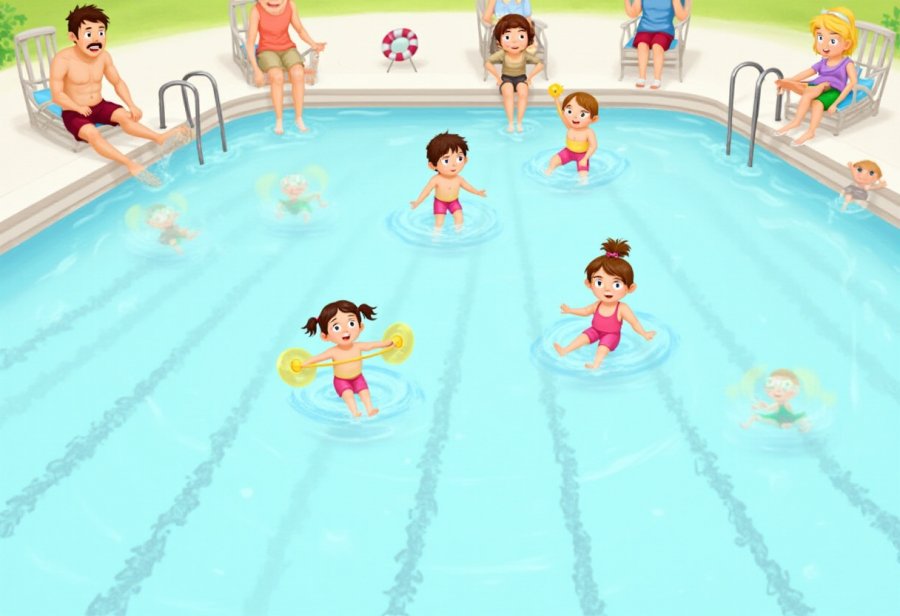
What if the greatest obstacle to enjoying water is simply taking that first courageous step? Learning to swim at any age isn’t just about mastering strokes; it’s a transformative journey from fear to freedom. This guide reveals how water confidence can be built through patience, tailored strategies, and safe practices, turning water from a source of anxiety into an inviting playground. From overcoming childhood fears to embracing lifelong health benefits, the path emphasizes small victories—floating, breathing, and swimming—each boosting confidence and safety. Beyond physical skills, swimming offers profound emotional and social rewards, fostering resilience, independence, and joyous exploration. As advancements make water education more accessible, the question remains: are you ready to dive in and unlock a world of safety, adventure, and well-being? The journey of water confidence is ongoing, promising endless possibilities for growth and connection—if only you take that first step.
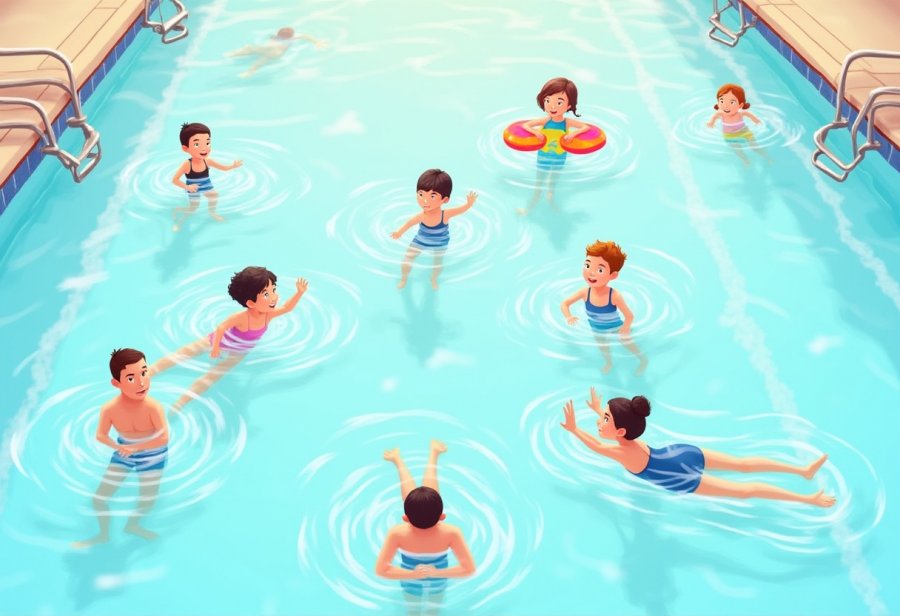
Transform Your Life by Learning to Swim at Any Age
Learning to swim isn’t just a skill reserved for kids; it’s a powerful experience that can genuinely change how you see water—and yourself. Whether you’ve avoided water your entire life or are just now realizing how important it is to feel comfortable in it, taking that first step can seem daunting. But once you do, the benefits go far beyond staying afloat. Swimming builds confidence, enhances safety, and opens up a world of recreational and health opportunities that you might not have considered before.
Starting your water confidence journey at any age is entirely possible. Many adults carry misconceptions or fears rooted in childhood, but these can be overcome with patience and gentle exposure. The process is often about small victories—learning to breathe calmly, float effortlessly, or take your first strokes. Each one boosts your confidence and gradually transforms water from a source of anxiety into a space for exploration and joy.
The importance of learning to swim goes beyond individual achievement. It’s a vital safety skill that can protect you and your loved ones in emergencies—whether caught in a rip current, a flood, or an accidental fall into a pool. Knowing how to navigate water confidently reduces panic and increases your ability to respond calmly, which can be the difference between danger and safety.
Moreover, swimming offers lifelong recreational benefits. It turns water from a threat into an inviting playground—whether you’re relaxing at the lake, exploring coral reefs, or enjoying a swim with friends. Developing water confidence allows you to participate in activities that promote social connection and outdoor adventure, enriching your lifestyle in meaningful ways.
Physical health is another compelling reason to learn to swim. It’s a low-impact exercise that works nearly every muscle, helping improve strength, endurance, and flexibility. Because swimming is gentle on joints, it’s suitable for all ages, including seniors or those recovering from injury. Regular swimming boosts cardiovascular health, reduces stress, and supports mental well-being—making it a holistic activity that benefits mind and body alike.
Finally, learning to swim can spark a lifelong love of water. As your confidence grows, so does your desire to explore new activities—like kayaking, paddleboarding, or sailing—that keep you active and connected to nature. The journey from fear to freedom in water isn’t just about mastering strokes; it’s about opening a door to endless possibilities, joy, and safety that last a lifetime.
Master the Basics: Foundations for Safe and Confident Swimming
Starting with safety is essential when learning to swim at any age. Always choose supervised, designated swimming areas—whether in a pool, at the beach, or in natural water bodies. Having a lifeguard or a responsible adult nearby creates a safety net that helps beginners feel more secure. Never swim alone, especially in the early stages, to reduce the risk of accidents and ensure help is close at hand if needed.
Before entering the water, take a moment to familiarize yourself with your surroundings. Check the water’s temperature and clarity, and confirm that the depth matches your comfort level. Using flotation devices like life jackets or kickboards can support initial efforts, helping you build confidence without feeling overwhelmed. Think of these tools as stepping stones that gradually encourage independence, rather than crutches to rely on forever.
Start with simple skills such as floating, blowing bubbles, and practicing basic kicks. Floating teaches relaxation and trust in your body’s buoyancy, while blowing bubbles helps you control your breathing—an essential part of staying calm. Gentle arm and leg movements like flutter kicks or slow arm pulls set the groundwork for more advanced strokes later on. Focus on feeling comfortable rather than rushing to perfect each move; patience is key.
Practicing in shallow water makes a big difference. It allows you to stand easily, which reduces anxiety and creates a safe environment for experimentation. As confidence grows, you can gradually venture into deeper areas under supervision. Remember, progress might take multiple attempts, but each small success reinforces your sense of safety and control in the water.
Mental readiness is just as important as physical skill. Approaching each session with a calm mindset, setting realistic goals, and celebrating small victories can ease anxiety and foster a positive learning experience. Techniques like deep breathing or visualization help reduce fear and make water encounters more approachable. Building mental confidence alongside physical skills ensures a safer, more enjoyable journey into swimming.
Smart Strategies for Successful Learning at Any Age
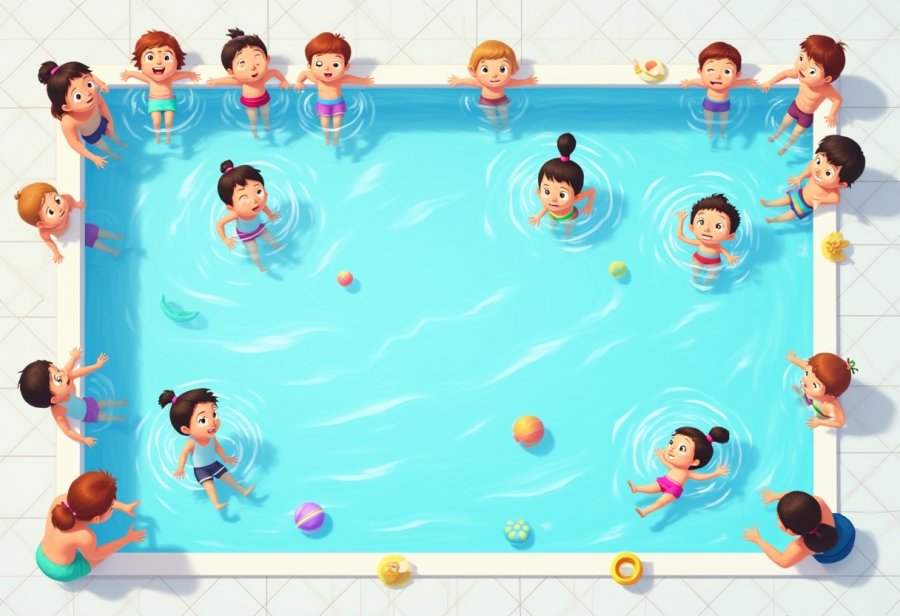
Effective learning strategies are essential for making steady progress in swimming at any age. Different approaches resonate differently with individuals, so combining methods often leads to the best results. Private lessons, for example, offer personalized feedback that can address specific fears, correct techniques, and accelerate confidence-building. On the other hand, group classes foster a sense of community, making practice more engaging and encouraging learners to observe and learn from others’ experiences. This mix of personalized attention and social motivation helps maintain momentum and keeps the journey enjoyable.
Self-guided practice is equally important. Watching instructional videos, using mobile apps, or practicing in your own pool allows you to reinforce skills on your schedule. These resources break down complex movements into manageable steps, making learning less intimidating and more approachable. Regular repetition helps muscle memory develop, turning new techniques into second nature and reducing hesitation. Combining professional instruction with independent practice creates a balanced approach that sustains motivation and ensures consistent progress.
For adults and seniors, adopting a patient mindset is crucial. Recognizing that learning to swim is a gradual process helps reduce frustration and fatigue. Setting small, achievable goals—like floating for a few seconds or completing a handful of strokes—builds a sense of accomplishment that propels you forward. Working with instructors who understand the unique needs of older learners fosters a supportive environment, making each session more positive and less daunting. Celebrating these small wins keeps morale high and encourages ongoing effort.
Incorporating fun drills and realistic goals keeps the process lively and motivating. Instead of focusing solely on perfect strokes, try playful activities like blowing bubbles, practicing kicks, or floating on your back. These simple exercises help ease anxiety and transform practice into a series of enjoyable milestones. Regularly reviewing progress and adjusting goals prevents stagnation and maintains your enthusiasm. Supportive equipment like kickboards, fins, and goggles can also enhance comfort and stability, making initial attempts more successful and less stressful.
The key to effective learning is patience, persistence, and a positive attitude. Recognizing setbacks as part of the process allows you to approach challenges with resilience. Celebrate small victories, stay consistent, and seek encouragement when needed. With these strategies, anyone can develop strong swimming skills and enjoy the water safely and confidently. The journey might take time, but each step forward builds confidence and brings you closer to a lifelong relationship with water that’s safe, fun, and fulfilling.
Real-World Benefits: Safety, Recreation, and Well-Being Through Swimming
Learning to swim offers practical benefits that extend well beyond the pool or shoreline. One of the most vital is safety. When you know how to swim, you’re better prepared to handle unexpected water situations, from rip currents at the beach to accidental falls into pools or lakes. Confidence in the water reduces panic, allowing you to respond calmly and effectively, which can prevent accidents and even save lives. For families and communities, widespread water skills mean fewer emergencies and stronger safety awareness overall.
Beyond safety, swimming unlocks a host of recreational opportunities. Being water confident transforms water from a potential hazard into a source of fun and adventure. Whether it’s enjoying lakeside vacations, snorkeling in tropical waters, or playing water sports, the ability to swim opens doors to outdoor activities that promote relaxation and social connection. With that confidence, water becomes a space for enjoyment rather than anxiety, enriching your leisure experiences and encouraging a more active lifestyle.
The health benefits of swimming are equally compelling. It’s a low-impact exercise that works nearly every muscle in your body, helping improve strength, endurance, and flexibility. Because it’s gentle on joints, swimming is suitable for all ages, including seniors or those recovering from injury. Regular swimming boosts cardiovascular health, supports mental well-being, and reduces stress. Its holistic approach to fitness makes it an ideal activity for lifelong health, offering both physical and emotional benefits that motivate continued practice.
Building water confidence also makes it easier to participate in other water activities like kayaking, paddleboarding, or sailing. These pursuits foster outdoor exploration, promote social interaction, and deepen your connection to nature. As you grow more comfortable in water, activities that once seemed intimidating become sources of enjoyment and independence, broadening your horizons and enriching your lifestyle.
Sharing water experiences with family and friends strengthens bonds and creates lasting memories. Learning to swim often becomes a shared goal, whether through lessons or casual outings. These moments of connection not only make water activities more enjoyable but also reinforce safety habits and confidence in group settings. The sense of community around water encourages ongoing practice and helps embed the routine of staying active and safe.
Finally, swimming has a calming, meditative quality that benefits mental health. The rhythmic breathing and flowing movements in water can reduce anxiety and promote mental clarity. For those dealing with stress or emotional challenges, swimming offers a peaceful escape—a way to reconnect with oneself and find balance. Developing water skills isn’t just about mastering strokes; it’s about fostering a safe, joyful, and healthy relationship with water that supports overall well-being for a lifetime.
Your Water Confidence Journey: Embrace Growth, Safety, and Joy
Learning to swim is a journey that transforms not just your skills, but your relationship with water itself. It’s a process of overcoming fears, building confidence, and discovering new possibilities—one small step at a time. Each milestone, whether it’s floating comfortably or taking your first independent strokes, adds to a growing sense of safety and mastery. These moments become the foundation for a lifelong connection to water that is safe, joyful, and empowering.
The path from apprehension to confidence isn’t always straightforward, but persistence pays off. As you progress, water becomes less of a threat and more of an inviting space for adventure, relaxation, and social connection. The skills you develop extend beyond the pool—they can protect you in emergencies, open doors to recreational activities, and support your physical and mental well-being. Learning to swim is ultimately about gaining independence in water and embracing the confidence that comes with it.
Advances in teaching methods and technology are making water confidence more accessible than ever. Whether through virtual training tools, mobile apps, or community programs, opportunities to practice and refine skills outside traditional settings are expanding. These innovations help break down barriers like anxiety or limited access, ensuring more people can experience the lifelong benefits of water safety and enjoyment. Staying curious and open to continuous learning keeps the journey fresh and rewarding.
Remember, this isn’t a race. It’s a personal process that thrives on patience, consistency, and celebrating small wins. Every effort counts, and setbacks are simply part of the learning curve. With each step forward, you reinforce your ability to stay safe and enjoy water activities more fully. Developing water confidence isn’t just about mastering strokes; it’s about cultivating a mindset of resilience and curiosity that extends well beyond the pool.
The confidence you build today sets the stage for future adventures. Whether it’s trying new water sports, exploring natural waters, or simply feeling comfortable around water in everyday life, your progress opens up a world of possibilities. The skills you develop become lifelong tools that support your health, safety, and happiness. This ongoing journey of water confidence is a gift that keeps giving, enriching your life at every turn.
As you look ahead, keep in mind that learning never truly stops. Even after mastering the basics, there’s always room to grow—whether through refining techniques, exploring new activities, or simply deepening your comfort level. Staying engaged and motivated transforms water from a source of fear into a lifelong source of joy and exploration. The key is to keep moving forward, embracing each new challenge as an opportunity to expand your horizons.
Every splash, every stroke, and every moment of courage contributes to a stronger, more confident you. Water is a space for growth, relaxation, and connection, and your journey has only just begun. Trust in the process, celebrate your progress, and remain open to new experiences. The confidence you foster today will serve as a foundation for a lifetime of safe, joyful, and fulfilling water adventures.
About the Author





