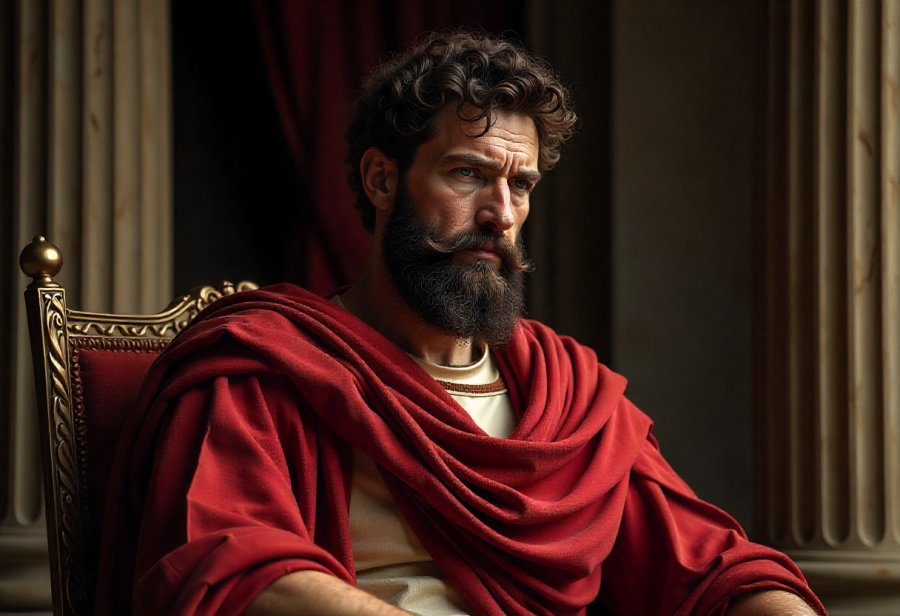
What if the true essence of leadership isn’t measured by external achievements but by inner discipline and moral resilience? Marcus Aurelius exemplified this paradox—ruling an empire while mastering his own mind and emotions. This exploration reveals how cultivating self-awareness, patience, and moral clarity through daily practices like meditation and reflection creates an unshakeable foundation amid chaos. In an age obsessed with external success, the timeless wisdom of Stoic philosophy reminds us that genuine strength lies within, built through deliberate effort and embracing challenges. Can leaders today harness these principles to forge lasting influence in a turbulent world? By turning setbacks into growth opportunities and cultivating inner resilience through discipline and vulnerability, they develop a steady core capable of guiding others with calm, clarity, and integrity. Ultimately, this journey inward unlocks a power far greater than external conquests—one that transforms leadership into a profound act of self-mastery.
Discover the Hidden Power of Inner Discipline in Leadership
Leadership is often associated with outward signs—titles, influence, or visible accomplishments. But beneath these displays lies a deeper, more enduring strength: inner discipline. It’s about mastering oneself—controlling impulses, maintaining resilience during tough times, and acting with clarity and purpose. This internal strength doesn’t demand attention; it quietly forms the foundation that sustains true leadership over the long run. Leaders who develop self-control and wisdom create a steady core capable of withstanding chaos and unpredictability, inspiring trust and respect from others.
The real power of leadership isn’t in what’s visible, but in what’s cultivated within. When challenges arise, disciplined leaders pause, reflect, and choose their actions deliberately, rather than reacting impulsively. This calm, measured approach fosters consistency and integrity—qualities that resonate deeply with those they lead. Marcus Aurelius exemplified this perfectly. His writings in Meditations reveal a man committed to governing his own mind and emotions first, before asserting authority over others. His strength was rooted in self-mastery, not just in ruling an empire.
Many tend to see leadership as external success—wars won, territories expanded, wealth amassed. Yet history shows that the most impactful leaders are those who govern themselves first. Inner discipline provides a stable anchor amid chaos, helping leaders resist temptations and make morally clear decisions. This internal strength becomes a lasting influence, far beyond fleeting external achievements. It’s the quiet power that sustains a leader’s integrity through any storm.
The idea that true leadership begins within isn’t new. Philosophers like Socrates, Plato, and Aristotle emphasized virtue and self-awareness as the foundation of effective leadership. Their teachings remind us that mastering oneself is the first step toward guiding others wisely. For Roman thinkers like Seneca and Epictetus, inner resilience and moral clarity were the highest forms of power—principles that remain relevant today. These timeless insights shift focus from external conquest to inner mastery, emphasizing that lasting strength comes from within.
Tracing the Roots: How Stoic Philosophy Laid the Foundation for Inner Strength
Stoic philosophy has its roots in ancient Greece, emerging around the early 3rd century BCE with thinkers like Zeno of Citium. Zeno’s teachings emphasized self-control, resilience, and wisdom—values that encouraged focusing on what is within our power and accepting what isn’t. This approach aimed to help individuals maintain a steady mind amidst external chaos. Over time, Stoicism spread across Rome, becoming a practical guide for navigating life’s uncertainties and cultivating moral virtue.
As Stoicism moved into the Roman world, it evolved into a blueprint for personal discipline and inner strength. Leaders such as Seneca and Epictetus highlighted that true power resides in governing oneself, not in external achievements. Their writings underline that external events are beyond our control, but our reactions are entirely within our grasp. This focus on inner mastery fosters resilience—remaining calm and composed regardless of circumstances—and forms the core of Stoic endurance.
Marcus Aurelius, the Roman emperor and Stoic philosopher, exemplifies how these teachings can be applied to leadership. His reflections in Meditations reveal a man committed to self-examination, moral integrity, and inner resilience. Despite the immense responsibilities of ruling an empire, Marcus prioritized governing his mind through daily reflection and mindfulness. His life demonstrates that authentic strength in leadership isn’t just about external power but about maintaining moral clarity and self-control amid chaos.
Historically, Roman society valued external symbols of power—military victories, territorial expansion, political influence—as marks of success. Yet, Marcus Aurelius’s emphasis on inner virtues signaled a shift. During turbulent times, internal strength rooted in virtue and self-discipline proved far more stable. Marcus understood that true authority comes from within—moral authority—rather than external conquests. These ideas echo earlier Greek philosophers like Socrates, Plato, and Aristotle, who all stressed the importance of virtue, self-awareness, and moral integrity as vital leadership qualities.
Today, these ancient teachings continue to influence modern leadership and personal discipline. Contemporary leaders recognize that resilience, moral clarity, and self-control are essential for navigating complexity and uncertainty. Developing these qualities isn’t a one-time effort but a lifelong practice—fostered through reflection, mindfulness, and deliberate effort. This inner discipline builds a resilient core that sustains influence and integrity, even when external circumstances shift unexpectedly.
Ultimately, Stoic philosophy reminds us that genuine strength lies within. Cultivating inner resilience and moral virtue creates a foundation that withstands external turbulence and personal setbacks alike. By embracing these principles, leaders can foster lasting influence rooted in wisdom and self-mastery—qualities that remain relevant across centuries and cultures. Their inner discipline becomes the true empire, guiding them through chaos with calm and clarity.
Why Inner Discipline Is the Key to Modern Leadership and Personal Mastery
In today’s fast-paced, interconnected world, inner discipline has become more vital than ever for effective leadership. While external markers of success—such as market share, social influence, or visibility—still hold weight, many leaders are beginning to see that genuine impact depends on something deeper: inner resilience. Mental toughness, self-awareness, and moral clarity serve as anchors amid constant change, helping leaders make thoughtful decisions rather than impulsive reactions. Cultivating these qualities provides stability in chaos, allowing leaders to respond with calm and purpose when circumstances shift unexpectedly.
Modern leadership increasingly emphasizes emotional intelligence and self-regulation. Techniques like mindfulness, meditation, and reflective journaling have moved from niche wellness trends into essential tools for developing inner strength. These practices foster a calm, focused mind, enabling leaders to pause before reacting emotionally and to approach challenges with clarity. In a world of distractions and rapid change, governing oneself internally offers a steady foundation for authentic influence and trust-building, often proving more effective than superficial charisma or aggressive pursuit of goals.
The shift from external accomplishments to valuing inner resilience reflects broader societal expectations. Today’s audiences and employees prize authenticity, transparency, and emotional depth. Leaders who demonstrate self-awareness and moral clarity inspire loyalty and foster genuine connections. Resilience and integrity under pressure become indicators of true leadership, reinforcing the idea that inner discipline is a strategic advantage. This approach not only sustains influence but also builds a reputation rooted in moral strength, which endures beyond external achievements.
Developing inner discipline is a continuous process. It involves intentionally embracing challenges that push beyond comfort zones—whether through cold exposure, tough conversations, or unfamiliar tasks—that train the mind to stay centered amid uncertainty. Physical disciplines like endurance sports or martial arts also cultivate focus, patience, and perseverance, translating into stronger inner resilience. These experiences help leaders turn obstacles into opportunities for growth, reinforcing their capacity to remain calm and clear-headed in turbulent times.
This inner work isn’t about perfection but persistence. Regular self-check-ins, honest reflection, and feedback from trusted peers help track progress and identify areas for improvement. Over time, these habits forge a mental armor that makes it easier to respond with composure when under pressure. Inner discipline becomes a lifelong journey—one that shapes how leaders live and lead, ensuring they remain grounded in wisdom and moral clarity regardless of external circumstances.
In essence, cultivating inner strength today is about more than personal growth—it’s a vital leadership skill. Leaders who prioritize self-mastery and moral insight build a resilient core that guides them through complexity and chaos alike. By embedding these practices into daily routines, they create a foundation that supports authentic influence and lasting impact. In a world where external measures can be fleeting, internal discipline remains the true mark of a leader capable of inspiring trust and enduring respect.
Master Your Mind: Practical Strategies to Cultivate Inner Resilience and Self-Control
Building inner strength begins with intentional daily practices that reinforce self-awareness and discipline. Meditation, in particular, is a powerful tool—just a few minutes of mindful breathing or focused observation each day can significantly improve your ability to pause before reacting impulsively. Journaling complements this by providing a space for honest reflection on your thoughts, emotions, and actions. Over time, regularly writing down your experiences helps identify recurring patterns and triggers, making it easier to develop greater self-control and moral clarity.
Practicing discipline in small, consistent ways strengthens resilience gradually. Setting clear goals—like sticking to a morning routine, resisting distractions, or maintaining patience during stressful moments—builds your inner resolve. These small acts of discipline accumulate, creating a sense of mastery that extends into more complex challenges. The key is persistence; even when motivation wanes, showing up and sticking to your intentions reinforces your mental toughness and builds confidence in your ability to handle adversity.
Embracing discomfort is another vital strategy for cultivating resilience. Deliberately placing yourself in challenging situations—such as cold exposure, tough conversations, or unfamiliar tasks—pushes your mental and physical limits. These experiences train your mind to stay centered amid chaos, turning obstacles into opportunities for growth. Physical disciplines like endurance sports or martial arts also foster focus, patience, and perseverance, qualities that translate directly into stronger inner resilience and leadership capacity.
Drawing from Stoic teachings offers practical guidance for self-mastery. Viewing setbacks as chances for growth instead of failures cultivates patience and moral clarity. Marcus Aurelius’s daily self-reflection, for example, helped him maintain perspective and resilience despite immense responsibilities. This mindset emphasizes that external circumstances are less important than how we govern our reactions and inner world. Developing this perspective shifts the focus from external validation to internal strength, creating a resilient foundation that can withstand any storm.
Tracking progress in inner resilience involves recognizing moments when you respond with calmness and clarity rather than frustration or impulsiveness. Journaling about these instances reinforces your sense of mastery and motivates continued effort. Remember, cultivating inner strength isn’t about perfection but persistence. Through consistent practice—whether through meditation, challenging tasks, or honest self-reflection—you gradually build a mental armor that makes it easier to stay centered and resilient, no matter what challenges come your way.
Transform Challenges into Growth: Essential Takeaways for Embodying Inner Discipline in Leadership
Inner discipline isn’t just an ideal; it’s the core of authentic leadership and personal growth. When leaders cultivate self-control, resilience, and moral clarity, they navigate challenges with a steady mind and inspire trust through their actions. The key is recognizing that true strength comes from within—developed through daily reflection, mindful practices, and embracing discomfort as a catalyst for growth. These habits build an unshakeable inner core that remains resilient even amid chaos, transforming fleeting influence into lasting impact.
Building this inner strength requires consistent effort. Simple routines like journaling and meditation sharpen self-awareness and patience, gradually strengthening your mental muscles. These practices make it easier to respond with calmness and clarity during stressful moments, rather than reacting impulsively. Over time, this inner steadiness becomes a reliable anchor, guiding your decisions and interactions no matter the external circumstances.
Resilience deepens when you actively seek challenges that push beyond your comfort zone. Cold exposure, difficult conversations, or taking on unfamiliar tasks train your mind to stay centered amid uncertainty. Physical disciplines like endurance sports or martial arts also cultivate focus and patience, translating into stronger inner discipline and leadership capacity. Each obstacle faced and overcome reinforces your ability to remain composed and confident in turbulent times.
Remember that developing inner discipline isn’t about perfection but persistence. Regular self-check-ins, honest reflection, and feedback help monitor progress and identify growth areas. These habits forge a mental armor that makes it easier to respond thoughtfully under pressure. This ongoing journey shapes how you lead and live, ensuring your actions are rooted in wisdom and moral strength rather than reactive impulses.
Incorporating unconventional practices can accelerate growth. Acts of vulnerability, like openly sharing struggles or embracing unfamiliar challenges, break down fears and expand resilience. Physical routines that challenge your limits, such as cold plunges or endurance activities, push your boundaries and foster adaptability. These experiences deepen your inner resolve, equipping you to handle uncertainty with steadiness and confidence.
Ultimately, cultivating inner discipline is about viewing setbacks as opportunities for growth, not failures. Approaching difficulties with patience and a growth mindset reinforces your inner strength and moral clarity. This perspective turns obstacles into stepping stones, helping you stay aligned with your core values and purpose, even amid chaos. The habits you build today become the foundation for leadership that endures beyond external circumstances.
Prioritizing self-mastery and moral clarity creates a resilient core that guides you through complexity and upheaval. When these practices become part of your daily routine, they support authentic influence and lasting impact. Inner discipline becomes a guiding force—one that sustains your integrity and inspires trust, making you a leader whose strength is rooted in wisdom from within.
About the Author




