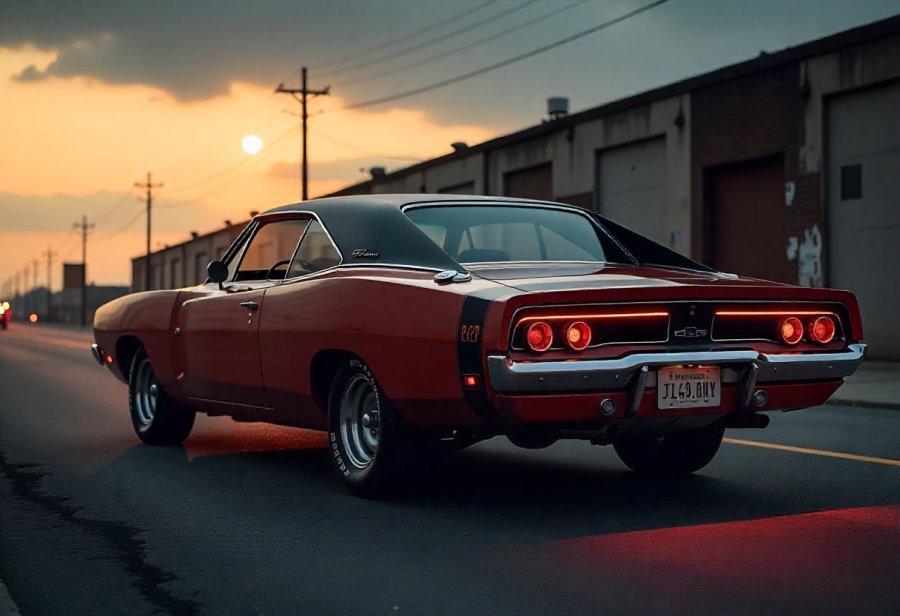
The Dodge Charger stands as an enduring icon of American muscle and rebellious spirit, embodying raw power, bold design, and a storied history that has captivated enthusiasts since 1966. From its legendary early models like the 1969 R/T to its modern high-performance variants, it symbolizes freedom, dominance, and unyielding performance. Yet, as environmental concerns rise and technological advances reshape the automotive landscape, the future of this primal beast faces a critical juncture: how can the Charger preserve its visceral, thunderous character while embracing greener innovations? Will electrification and hybrid systems maintain the fierce spirit that has defined the Charger for decades? This exploration delves into its cultural significance, evolution, and the challenges ahead—questioning whether the legend will continue to roar in a world demanding sustainability, or whether it risks fading into history. One thing remains certain: the Charger’s intensity and rebellious allure continue to excite and inspire a new generation of speed enthusiasts.
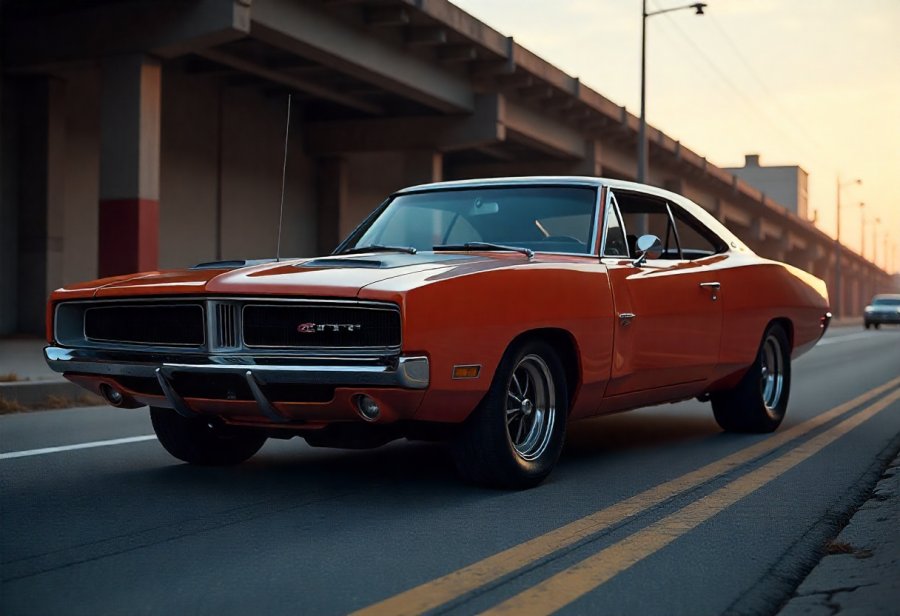
Unleashing American Rebellion: The Dodge Charger’s Iconic Legacy
The Dodge Charger has long been a symbol of American muscle and rebellious spirit. Its bold design and roaring engines have made it more than just a car; it’s an icon that captures the essence of freedom, defiance, and raw performance. When you see a Charger cruising down the street or tearing up the highway, it’s impossible not to feel the primal call of speed and independence it embodies. This vehicle isn’t just about getting from point A to point B—it’s about making a statement and standing out in a crowd.
Since its debut in 1966, the Charger has built a reputation as a staple of muscle car culture. Early models like the 1969 R/T established its identity with high horsepower engines and aggressive styling. These cars quickly gained popularity among street racers and performance enthusiasts, reinforcing their place in American automotive history. Over the years, the Charger became synonymous with straight-line speed, durability, and a rebellious attitude—qualities that continue to define its character today.
The muscle car movement itself emerged after World War II, driven by a desire for power and individuality. The Charger fit perfectly into this cultural wave, with large-displacement V8 engines and muscular, eye-catching designs. It wasn’t just about transportation; it was about making an impression, asserting dominance on the road, and expressing personal freedom. Its appearances in movies, music videos, and street racing scenes helped cement its status as a symbol of youthful rebellion and raw performance.
Despite periods of decline, the Charger’s legacy never faded. In the late 2000s, Dodge revived the model, blending nostalgic design cues with modern technology and engineering. Today’s Chargers boast powerful engines like the supercharged HEMI V8, capable of delivering over 700 horsepower. They maintain that unmistakable presence—wide bodies, aggressive grilles, and a stance that commands respect—ensuring the Charger remains a relevant and revered icon in the automotive world.
More than just a car, the Charger has become a cultural phenomenon. Its roar and commanding style have made it a favorite at car shows, street meets, and in popular media. Many owners see their Charger as an extension of themselves—a vehicle that embodies their love for speed, individuality, and defiance of convention. Its raw, primal appeal continues to inspire enthusiasts to personalize, upgrade, and push the limits of what their muscle cars can do, keeping the legend alive and thriving.
In essence, the Dodge Charger stands as a testament to the rebellious spirit of American muscle cars. It’s more than just a machine—it’s a symbol of freedom, power, and the desire to stand apart. Its legacy is rooted in a history of raw performance and bold design, and that spirit continues to resonate with new generations of drivers eager to embrace their primal instincts on the open road.
From Birth to Legend: Tracing the Dodge Charger’s Evolution
The Dodge Charger’s journey begins in 1966, when Dodge aimed to create a bold, high-performance muscle car that would stand out in a crowded market. Its sleek fastback design and large V8 engines immediately set it apart, signaling a new era of American muscle that prioritized both style and raw power. From the start, the Charger was a statement piece—its aggressive lines and muscular stance embodied the rebellious spirit of the muscle car movement.
Throughout the late ’60s and early ’70s, the Charger solidified its reputation with legendary models like the 1969 R/T. These cars packed high-horsepower engines and distinctive styling cues, making them favorites among street racers and performance enthusiasts alike. Their ability to deliver blistering straight-line speed and withstand demanding driving conditions made them symbols of raw power and durability. Signature features like wide hoods, menacing grilles, and bold stripes reinforced the car’s muscle car identity.
After reaching peak popularity, the Charger faced a decline in the late ’70s and early ’80s. Rising fuel prices, stricter emissions standards, and shifting consumer preferences led to its temporary phase-out. Yet, the legend persisted, fueled by its cultural presence in movies, music, and street racing scenes. Enthusiasts kept the spirit alive, dreaming of a comeback that Dodge would eventually deliver.
That comeback arrived in the late 2000s when Dodge revived the Charger with a modern twist. This new version paid homage to its roots with retro-inspired design elements—wide stance, aggressive grille—while integrating contemporary technology and performance. It reconnected with nostalgia and appealed to a new generation, offering engines like the supercharged HEMI V8 capable of over 700 horsepower, bringing the muscle car back into the spotlight.
Today’s Chargers continue to evolve, blending iconic heritage with cutting-edge innovations. They feature advanced suspension, performance-tuned brakes, and modern infotainment, making them equally suited for daily driving and high-performance pursuits. This balance of tradition and progress keeps the Charger relevant amid stiff competition and ensures its place as a true American muscle icon.
Each milestone, from the legendary 1969 R/T to the current high-performance models, reflects a relentless pursuit of speed and style. The Charger’s development showcases its ability to adapt without losing the rebellious edge that made it famous. It’s a legacy built on raw power, bold design, and an unyielding drive to push boundaries—an enduring symbol of American muscle that continues to inspire enthusiasts across generations.
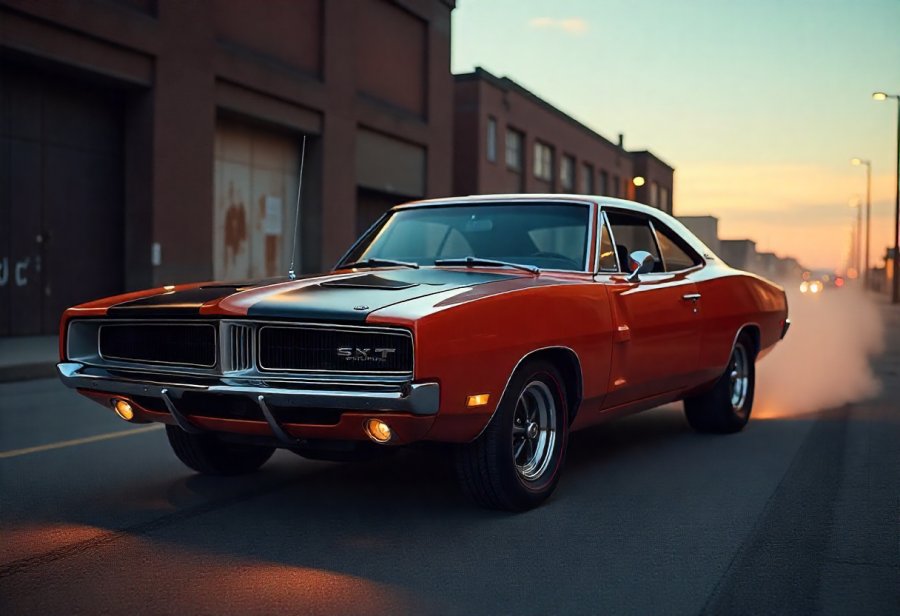
Modern Muscle: The Dodge Charger in Today’s Automotive Arena
Today’s Dodge Charger stands as a bold statement in the modern automotive landscape, seamlessly blending its legendary muscle car roots with the latest technology. It continues to symbolize American performance and rebellion, appealing to drivers who crave raw power but also want comfort and modern convenience. Its lineup of engines, particularly the supercharged V8 in models like the SRT Hellcat, delivers over 700 horsepower, providing blistering acceleration and top speeds that rival many high-end sports cars. This impressive performance keeps the Charger relevant and desirable in a fiercely competitive market.
Inside, the modern Charger pairs its aggressive exterior with a tech-rich interior designed for a more refined driving experience. Touchscreen infotainment systems, premium audio options, and advanced safety features ensure comfort and security for everyday use. Despite its muscular stance and performance capabilities, the Charger offers spacious seating and practical features that make it suitable for daily commuting or long road trips. This blend of power and comfort broadens its appeal, attracting both enthusiasts and those seeking a versatile, high-performance vehicle.
The Charger’s presence extends beyond the showroom; it remains a cultural icon deeply embedded in street scenes and popular media. Car enthusiasts appreciate its commanding road presence and distinctive growl, often customizing their vehicles with performance upgrades and aesthetic modifications. Its reputation as a street racing beast endures, with many owners eager to unlock its full potential on open roads or drag strips. This active community and cultural resonance reinforce the Charger’s status as more than just a car—it’s a symbol of rebellion and freedom.
However, the modern Charger faces significant challenges as environmental concerns grow. Its large V8 engines produce notable emissions, prompting critics and regulators to push for greener alternatives. Automakers are exploring electrification and hybrid systems that aim to preserve the primal road power while reducing environmental impact. The challenge lies in maintaining the raw, visceral experience that defines the Charger, even as standards for safety, efficiency, and sustainability tighten.
Looking ahead, the future of the Dodge Charger is likely to involve a careful balance of innovation and tradition. High-performance electric motors and hybrid systems are on the horizon, promising to deliver instant torque and blistering speeds without sacrificing its rebellious spirit. The goal is to redefine what a muscle car can be—powerful, sustainable, and still unmistakably American. As it evolves, the Charger will continue to embody the thrill of speed and the heart of rebellion, ensuring its legacy endures for generations to come.
Raw Power Unleashed: The Primal Drive of the Dodge Charger
The raw power of the Dodge Charger isn’t just about impressive numbers; it’s about the visceral experience that makes every drive feel alive. When you press the accelerator, that deep, guttural roar responds instantly, reminding you of the car’s primal roots. It’s not just noise—it’s a signal that you’re commanding something fierce, a living testament to American muscle and rebellion. That thunderous sound, paired with its aggressive stance, commands respect on the street and amplifies its presence as a street racing beast.
Driving a Charger transforms ordinary moments into adrenaline-fueled memories. Whether on an open highway or winding mountain roads, the engine’s instant torque and blistering acceleration make your heart race. The surge of power creates a feeling of control and freedom that’s hard to match, turning everyday commutes into escapes filled with excitement. Every press of the pedal becomes a declaration of strength, reconnecting drivers with a deep, primal instinct for speed and dominance.
Beyond the thrill, the Charger’s roar and commanding look have cemented its status as a cultural icon. It’s a staple at street meets, car shows, and in movies that celebrate rebellion and raw performance. Owners often modify their Chargers—upgrading exhausts, tuning engines—to unleash even more of that primal energy. This culture of personalization keeps the Charger at the heart of street racing scenes and enthusiast communities, fueling its legendary reputation.
Owning a Charger is about embracing a lifestyle rooted in power and individuality. The engine’s growl isn’t just a sound—it’s a statement that you’re in control of a piece of American muscle history. That connection to primal road power makes every journey an extension of the car’s rebellious spirit. It’s a vehicle that invites drivers to participate actively in its legend—transforming raw performance into a personal act of defiance.
Enthusiasts take pride in tuning and upgrading their Chargers to deepen this primal connection. Performance modifications—exhaust systems, cold air intakes, ECU tunes—amplify the car’s fierce character. Handling upgrades and performance brakes enable safer, more aggressive drives, making every twist and turn an extension of its untamed spirit. Maintaining and pushing this power requires skill and dedication, but the feeling of commanding such raw energy is unmatched.
Ultimately, the Dodge Charger embodies more than just raw horsepower; it symbolizes a cultural ethos of rebellion, freedom, and unfiltered strength. Its roar on the street echoes a legacy of American muscle that continues to inspire new generations of drivers eager to tap into their primal instincts. The Charger remains a living icon—powerful, relentless, and forever connected to the road’s most instinctual drives.
Pushing Limits: The Future of the Dodge Charger and American Muscle
The future of the Dodge Charger and American muscle cars at large is a landscape of both challenge and opportunity. As global emphasis on sustainability intensifies, traditional V8 engines—the heart of muscle car power—face increasing pressure due to their high emissions. This shift pushes automakers to innovate, exploring electrification and hybrid systems that aim to preserve the Charger’s primal road presence while meeting stricter environmental standards. The question is how to balance the raw, visceral feel of muscle cars with the demands of a greener future.
Despite these hurdles, the Charger’s iconic status remains resilient. Its deep growl and commanding silhouette continue to evoke a sense of rebellion and freedom that resonates across generations. Enthusiasts and collectors play a vital role in keeping this legacy alive, supporting restorations and demanding performance models that honor its roots. As technology advances, the challenge becomes integrating electric performance without sacrificing the visceral thrill that defines the Charger’s spirit. The goal is to craft a future where sustainability and muscle coexist seamlessly.
Looking ahead, automakers are developing high-performance electric motors capable of delivering instant torque and blistering acceleration—features that could redefine what power means in the muscle car realm. These innovations promise to keep the Charger relevant, offering zero-emission vehicles that still roar and perform at adrenaline-pumping levels. The transition may involve electrified variants that blend modern technology with the rebellious attitude that has always characterized the model, ensuring it continues to inspire and excite.
This evolution isn’t just about technology; it’s about reimagining the core identity of the muscle car. Achieving a perfect harmony between power, sustainability, and style will determine whether the Charger can retain its rebellious edge in a changing world. If successful, it will reaffirm that true muscle isn’t just about combustion but about the spirit of freedom and performance—unbroken by the march of progress. The Charger’s future lies in its ability to adapt and lead, without losing its primal heartbeat.
As the story continues, the Charger will depend on passionate communities and forward-thinking innovations to write its next chapter. Its legacy of raw power, aggressive design, and rebellious attitude remains a beacon for those who see muscle cars as more than machines—they are symbols of liberty and individualism. With the right balance of tradition and innovation, the Dodge Charger is poised to roar into the future, inspiring new generations to chase the primal thrill of speed while respecting the world they race through.
About the Author





