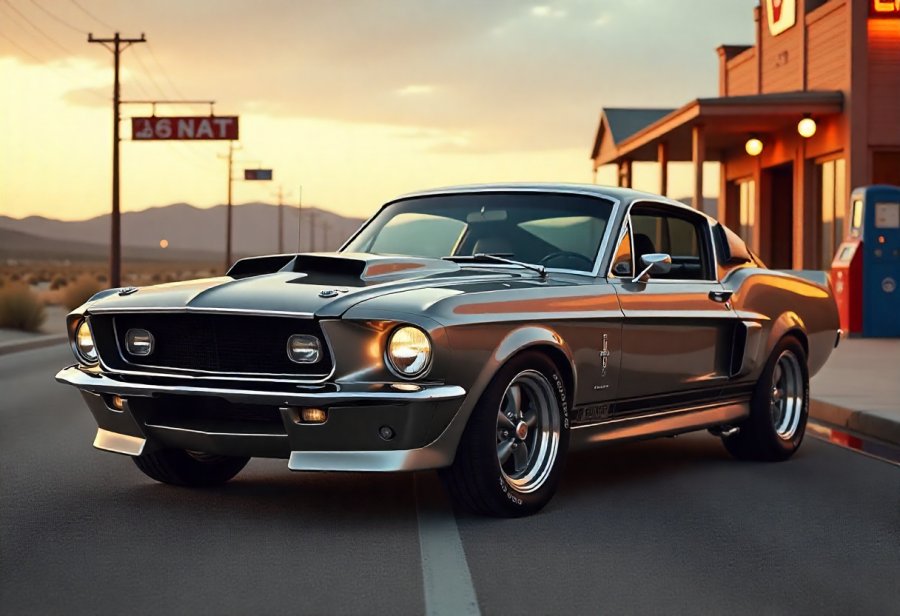
The Ford Mustang is more than just an iconic muscle car—it embodies the very spirit of American freedom, rebellion, and innovation. Since debuting in 1964, it has captivated generations with its bold design, powerful performance, and cultural significance, appearing in movies, music, and stories that reinforce its role as a symbol of independence. But what truly makes the Mustang a timeless legend isn’t just speed or style; it’s its ability to evolve while staying true to its rebellious core. From its roots as an accessible performance vehicle to its future innovations in electric and hybrid technology, the Mustang constantly pushes boundaries. As enthusiasts celebrate its legacy and look ahead to new horizons, this cultural icon continues to inspire a relentless pursuit of adventure and freedom—challenging us to ask: what’s next for this enduring symbol of American ingenuity?
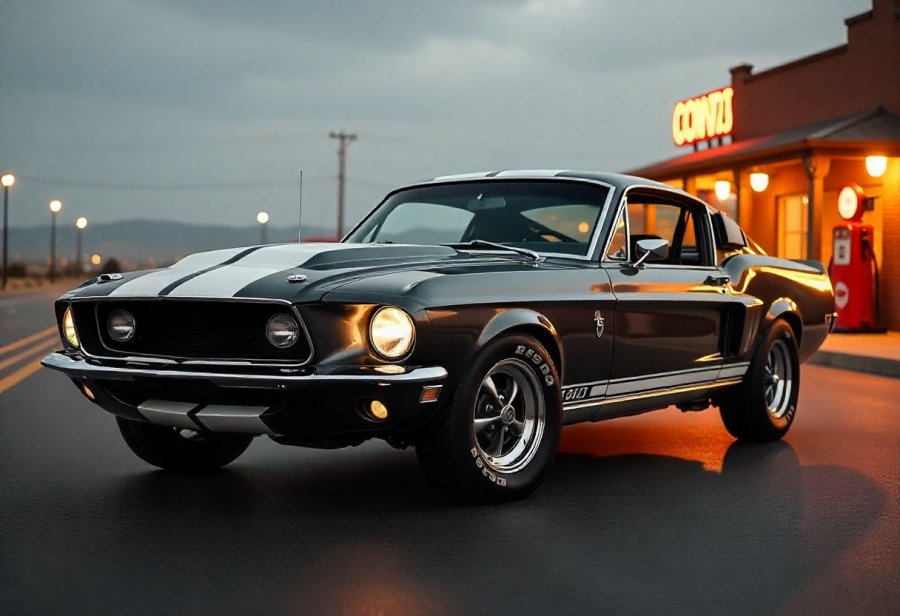
The Mustang: An American Icon of Freedom and Rebellion
The Ford Mustang isn’t just a car; it’s a symbol woven into the fabric of American culture. Since its debut in 1964, the Mustang has stood for more than just speed and style—it embodies the spirit of freedom, rebellion, and innovation that defines the American identity. Its sleek, muscular lines and aggressive stance made it an instant icon, capturing the imagination of a generation eager for adventure and self-expression.
What truly sets the Mustang apart is its cultural significance. It’s appeared in movies, songs, and stories that reinforce its image as a vehicle of independence and daring. Driving a Mustang isn’t just about getting from point A to B; it’s about embracing a mindset of possibility and breaking free from convention. The car’s presence on the streets and in pop culture has made it a symbol of pushing boundaries and chasing dreams.
At its core, the Mustang introduced a new segment—the pony car—combining sporty aesthetics with affordability. Its bold design and innovative features made performance accessible, sparking a movement that would influence the entire automotive industry. Over the years, despite evolving styles and advanced technology, the Mustang has maintained its rebellious spirit and core appeal, staying relevant across decades.
The story of the Mustang is also a story of resilience. From the muscle car craze of the 1960s to periods of decline, it has continually adapted without losing its essence. Each new generation honors its legacy while pushing the boundaries of design and power. This ability to evolve while staying true to its roots is what keeps the Mustang a timeless icon.
Beyond the roads, the Mustang’s influence extends into pop culture—appearing in legendary films like “Bullitt,” music videos, and TV shows—cementing its status as a symbol of speed and daring. It’s more than a vehicle; it’s a cultural phenomenon that continues to energize enthusiasts and inspire new fans.
Understanding the Mustang’s significance goes beyond admiring its looks or performance. It’s about recognizing what it represents: a legacy of American ingenuity, resilience, and the relentless pursuit of freedom. The Mustang has transcended generations, remaining a powerful emblem of what it means to be truly American—bold, independent, and always moving forward.
Looking ahead, the Mustang’s future remains bright. Ford continues to innovate, embracing electric and hybrid models that aim to preserve its performance and rebellious spirit. Its enduring legacy is a testament to its ability to adapt without losing the essence that made it an icon, ensuring that the Mustang will continue to inspire and thrill for generations to come.
Foundations of the Mustang: Birth of a Cultural Phenomenon
The Ford Mustang made its debut in April 1964, marking a defining moment in American automotive history. Designed to appeal to a broad audience, it combined sporty styling with an accessible price point, creating what would become the iconic pony car segment. Its launch didn’t just introduce a new vehicle; it ignited a cultural phenomenon by capturing the imagination of young drivers seeking freedom and individuality. The Mustang’s sleek lines, aggressive stance, and performance options quickly set it apart from other cars, establishing it as a symbol of rebellion and adventure.
From its inception, the Mustang reflected the shifting cultural landscape of 1960s America. As youth culture grew, so did the desire for personal expression through automobiles. Ford responded by making the Mustang highly customizable, offering multiple engine choices, colors, and accessories, which fostered a strong sense of ownership and pride. This approach transformed the car from mere transportation into a statement of personality and independence, resonating across diverse demographics.
During its early years, the Mustang capitalized on the muscle car craze, initially equipped with a modest six-cylinder engine before expanding into a range of V8 options that delivered impressive power for its size and price. Its sporty design, including fastback and convertible models, appealed to those craving speed and style. Performance variants like the Shelby GT350, introduced in 1965, pushed the limits further, cementing the Mustang’s reputation as a true performance icon and a testament to American engineering excellence.
Throughout the 1960s, the Mustang evolved in response to changing tastes and technological advances. Upgrades such as disc brakes, improved suspensions, and more powerful engines kept it competitive and desirable. Its distinctive silhouette remained recognizable despite design updates, and its influence extended beyond the showroom—fueling the muscle car movement and becoming a staple in movies, music, and pop culture. The Mustang’s ability to adapt while maintaining its core identity contributed to its lasting legacy.
The story of the Mustang’s origins and evolution exemplifies American innovation and resilience. From a bold idea—a sporty, affordable car for the masses—to a cultural phenomenon, it reflects the spirit of pushing boundaries and embracing new possibilities. Its enduring appeal lies in its ability to stay true to its roots while continuously evolving, inspiring generations of drivers and enthusiasts alike. The Mustang’s history is a testament to its status as more than just a vehicle—it’s a symbol of American ingenuity and the pursuit of freedom on four wheels.
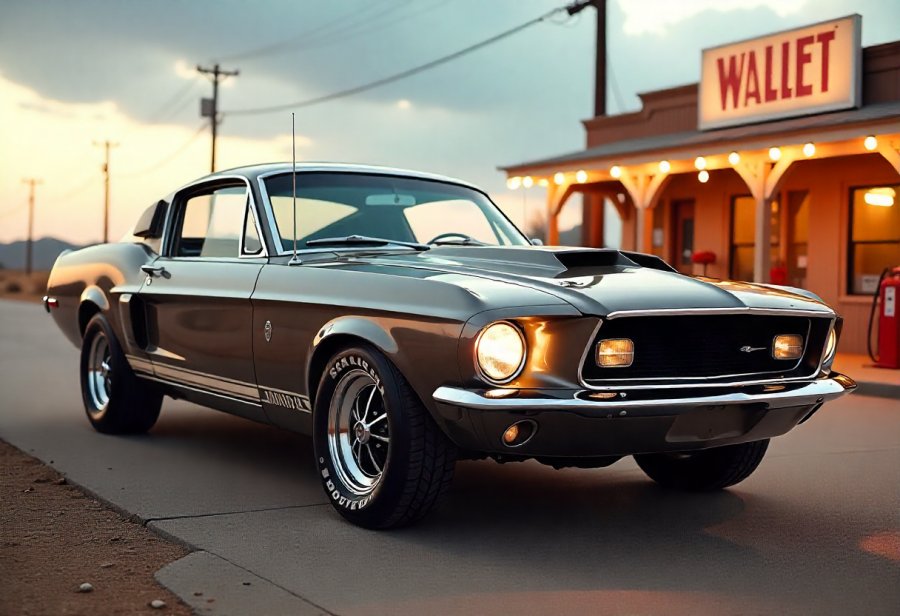
Design and Power: Engineering Legends on Wheels
The design and engineering of the Ford Mustang are what elevate it from a stylish car to a true performance icon. Its muscular, aerodynamic lines—highlighted by the signature pony grille and sculpted body—create an unmistakable silhouette that commands attention on any road. Every detail, from the aggressive hood vents to the sleek fastback roofline, is carefully crafted not just for aesthetics but to optimize airflow and stability at high speeds. These elements work together to give the Mustang its sense of motion, even when standing still.
Beneath that striking exterior, the Mustang’s engine options have evolved significantly, delivering serious power across generations. Early models featured inline-sixes and V8s, each delivering a deep, throaty exhaust note that became part of its signature sound. Modern versions now include turbocharged four-cylinders alongside high-performance V8s, balancing spirited acceleration with improved fuel efficiency. Regardless of the engine choice, engineering ensures quick throttle response, smooth acceleration, and handling that keeps the driver engaged and confident.
The suspension system plays a crucial role in the Mustang’s performance, tuned to blend stability with agility. It offers precise steering and control, whether navigating winding roads or straightaways. Lightweight materials and chassis enhancements reduce weight without sacrificing strength, translating into faster acceleration and more effective braking. Every component—from shocks to anti-roll bars—is calibrated to foster a connected driving experience, making every drive feel lively and purposeful.
Inside, the Mustang’s cockpit emphasizes driver responsiveness and comfort. Controls are positioned for quick reactions, with modern models incorporating advanced tech like performance gauges, touchscreens, and customizable driving modes. These features enhance the driving experience without diluting its sporty essence. Optional details such as racing stripes or rear spoilers reinforce its aggressive personality and muscle car identity, making it clear that this vehicle is built for speed and thrill.
All these design choices and engineering feats come together to make the Mustang more than just a powerful car—they turn it into an extension of the driver’s passion. Its harmonious blend of form and function creates a visceral experience, where every shift, turn, and acceleration feels alive. This synergy of style and power continues to inspire enthusiasts and newcomers alike to chase the thrill of the open road, embodying the relentless spirit of American muscle and engineering excellence.
Honoring Legacy: The Art of Appreciating and Preserving the Mustang
Understanding the history and design of the Mustang deepens the connection beyond its striking appearance. When you appreciate how each generation evolved—from the bold debut in 1964 to modern updates—you see the seamless blend of innovation and tradition that keeps the Mustang relevant. This knowledge transforms a simple drive into a meaningful experience, highlighting the craftsmanship and thoughtfulness that define its legacy.
Leveraging this insight is especially valuable when restoring or maintaining a Mustang. Recognizing original design features, engine options, and performance upgrades ensures authenticity and preserves its value. Sourcing genuine parts and understanding which details are true to the model’s history helps keep the car’s character intact. This respect for the original design elevates restoration from a task to an act of honoring a cultural icon.
For enthusiasts and collectors, knowledge of Mustang’s roots guides smarter decisions. Differentiating between model years, trims, and special editions allows for better identification of genuine vehicles. It also informs restoration choices, helping owners respect the car’s heritage while making informed upgrades. This careful approach maintains the integrity of each Mustang, ensuring it continues to tell its story authentically.
Sharing the Mustang’s history within communities—whether at car shows, clubs, or online forums—amplifies its legacy. These interactions foster a deeper appreciation and a collective sense of pride. Celebrating shared stories and milestones keeps the culture vibrant, inspiring new generations to learn from and carry forward the brand’s rebellious spirit.
Knowing the origins and design details also enhances how owners experience the car daily. Every drive becomes a tribute to American resilience and ingenuity. Whether behind the wheel of a vintage model or a modern reinterpretation, understanding its history adds layers of meaning. It transforms driving from mere transportation into a celebration of freedom, rebellion, and innovation.
Looking ahead, this appreciation fuels ongoing innovation. As Ford explores electric and hybrid models, they aim to preserve the Mustang’s performance and rebellious spirit. This balance of respecting heritage while embracing progress ensures the Mustang’s influence endures. Its legacy will continue to inspire, challenge, and energize drivers for generations to come.
Future Horizons: Evolving the Spirit of the Mustang
The future of the Mustang remains as vibrant as its storied past, even as it continues to evolve with technological advancements. Ford is exploring electrification and hybrid options to deliver the same raw performance and sense of freedom that made the Mustang a legend—only now with a more sustainable edge. This shift demonstrates the brand’s commitment to innovation without sacrificing the rebellious spirit and bold identity that define the car. The challenge lies in balancing cutting-edge technology with the visceral driving experience enthusiasts cherish, ensuring that the roar of the engine and the thrill of acceleration are preserved in new forms.
Enthusiast communities and collectors play a vital role in shaping the Mustang’s ongoing legacy. Their passion keeps the car culturally relevant, inspiring automakers to push boundaries while honoring tradition. Whether through club events, car shows, or online forums, these groups foster pride and continuity, making the Mustang more than just a nostalgic icon—it’s a living, breathing part of American automotive culture. Their dedication encourages Ford to innovate responsibly, blending heritage with progress in every new model.
Looking ahead, future Mustang models are likely to see further refinements in design and engineering. Electric powertrains promise instant torque and zero emissions, but the real test will be in maintaining the car’s signature responsiveness and excitement. Automakers are working tirelessly to embed these qualities into new platforms, ensuring that the Mustang remains an icon of performance and rebellion. This ongoing development reflects a broader industry shift, but the core of the Mustang’s appeal—its spirit of independence—remains unchanged.
The legacy of the Mustang extends beyond its engineering; it influences the entire performance car industry. Its story of resilience and bold design pushes other brands to innovate while respecting tradition. The Mustang’s ability to adapt without losing its essence proves that true icons can evolve, inspiring new ideas that honor the past while shaping the future. This continuous reinvention keeps the Mustang relevant, exciting, and aspirational for generations to come.
At its core, the Mustang symbolizes more than just speed and style—it embodies the American pursuit of freedom, adventure, and progress. Its enduring appeal lies in its ability to inspire drivers to chase their dreams and forge their own path. As it moves into the future, the Mustang’s legacy will persist, a testament to resilience and innovation. It will continue to energize new drivers and reawaken old passions, proving that the true spirit of rebellion and independence can never be replaced—only redefined.
About the Author