
Contrary to popular belief, customization in telephony is transforming communication forever, offering a strategic edge in today’s fast-paced business environment. As organizations move beyond traditional landlines, innovative solutions like Grandstream’s enterprise-grade IP phones and centralized management systems empower businesses to craft tailored, scalable, and efficient communication networks. But are these advancements enough to meet the evolving demands of remote work, AI integration, and seamless device interoperability? This comprehensive exploration reveals how personalized telephony not only streamlines workflows and enhances responsiveness but also future-proofs organizations against digital disruptions. With features like cloud management, intelligent call routing, and deep integration with CRM and collaboration tools, businesses can build resilient, flexible systems that grow with them. Yet, the real question remains: how will these customized solutions continue to evolve, and what new possibilities will they unlock in the digital era’s next chapter?
Unlock Advanced Business Communication with FiberConX’s VoIP Solutions
FiberConX Communications, a leading provider in Canada, offers comprehensive VoIP business and residential phone services designed to enhance your communication experience. Discover the power of advanced features like voicemail, IVR, Ring Groups, and voicemail-to-mail, ensuring seamless connectivity and professional interaction. Whether you need reliable phone systems for your office or home, FiberConX delivers tailored solutions to meet your needs. Upgrade your communication infrastructure today with cutting-edge technology and exceptional support. For more information on our offerings, visit our page on Grandstream IP Phones. Contact us at [email protected] or call 1.800.961.6856 to get started.
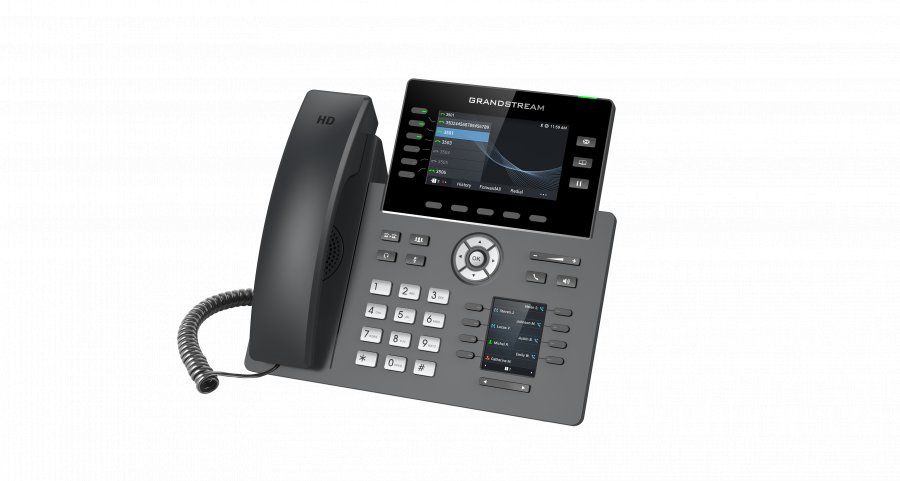
Unlocking Communication Efficiency with Customized Telephony Solutions
In today’s fast-moving business world, clear and reliable communication is more than just a convenience—it’s a necessity. Companies depend on systems that can be precisely tailored to fit their specific workflows and daily operations. Customized telephony solutions do exactly that, transforming how organizations connect internally and with their customers. By moving away from one-size-fits-all setups, businesses can create communication environments that streamline processes, reduce misunderstandings, and boost overall efficiency.
The evolution of telephony customization highlights a shift from traditional landlines to advanced digital platforms. Early systems offered limited options, often restricted by hardware and simple voice calls. Over time, features like call forwarding and speed dial emerged, paving the way for smarter, more flexible solutions. Today, cloud-based IP telephony takes this further—allowing remote configuration, seamless integration, and rapid scalability. This means businesses can adapt their communication tools quickly as they grow or change.
At the heart of modern telephony are principles like scalability and user-centric design. Scalability ensures systems can expand without major disruptions, accommodating organizational growth smoothly. User-centric design makes features intuitive—whether it’s personalized call routing or integrated voicemail—so employees can navigate and utilize tools effortlessly. These principles turn complex systems into accessible and powerful assets that support efficient workflows.
Technological advances such as cloud management platforms and device interoperability have revolutionized how organizations deploy and manage their systems. Centralized control interfaces enable remote setup, updates, and monitoring across multiple locations, reducing the need for onsite IT support. Meanwhile, compatibility among different brands and devices ensures a cohesive, reliable environment. Together, these innovations allow companies to craft personalized communication networks that evolve with their needs.
Leading providers like Grandstream have played a key role in this transformation. Their enterprise-grade IP phones and management solutions simplify deployment and ongoing management, whether it’s a small office or a large, distributed network. Platforms like GDMS provide centralized control, giving organizations the ability to configure, monitor, and update their telephony systems easily. This ease of management helps maintain tailored setups that are scalable, reliable, and ready to support future growth.
Ultimately, customized telephony solutions are about more than just hardware—they’re about creating a strategic communication environment. Features like advanced call routing, CRM integration, and collaboration tools can significantly enhance responsiveness and customer experiences. When these elements are tailored to specific roles and workflows, communication becomes a powerful tool that drives efficiency, improves service, and strengthens relationships.
Embracing tailored telephony today sets the stage for future innovations. As AI-driven features and digital integrations become more prevalent, organizations that have already invested in flexible, personalized systems will be better positioned to adapt. Building a communication infrastructure around your unique needs isn’t just smart—it’s essential for staying competitive in a digital-first world.
Tracing the Roots of Telephony Customization: From Landlines to Digital Innovation
The journey of telephony customization reflects the broader evolution of communication technology itself. Starting from the early days of fixed landlines, systems were simple, hardware-dependent, and offered little room for personalization. These basic setups served their purpose but quickly showed limitations as businesses demanded more flexible and responsive communication solutions. Incremental upgrades, like call forwarding and speed dial, emerged to address these gaps, providing small but significant improvements that laid the groundwork for future innovation.
The real turning point came with digital and IP-based telephony. These advancements unlocked remote management, seamless integration with other digital tools, and scalable architectures. Companies could now configure their systems from afar, making adjustments or expanding their setups without replacing hardware. This shift transformed telephony from a static utility into a dynamic component of daily workflows, supporting diverse operational needs and rapid organizational growth.
At the core of these developments are principles like scalability and user-centric design. Scalability ensures that as a business expands, its communication environment can grow smoothly without major disruptions. User-centric design emphasizes intuitive interfaces and features aligned with daily routines, enabling employees to personalize call routing or voicemail effortlessly. These principles make complex systems accessible and adaptable, boosting overall productivity and responsiveness.
Technological innovations such as cloud management platforms and device interoperability further advanced customization possibilities. Cloud platforms facilitate remote configuration, updates, and monitoring, simplifying management across multiple locations. Compatibility among various brands and device types ensures a unified, reliable environment that supports diverse hardware ecosystems. Together, these tools create flexible, dependable communication networks that evolve in step with organizational needs.
Leading companies like Grandstream have been instrumental in shaping this landscape. Their enterprise-grade IP phones and management solutions exemplify how hardware flexibility, combined with centralized control via platforms like GDMS, streamlines deployment and ongoing management. This approach offers organizations a powerful way to craft personalized telephony environments that are scalable, resilient, and ready for future growth.
Today, the foundation of telephony customization rests on the ability to tailor features like call routing, CRM integration, and collaboration tools to specific roles and workflows. These capabilities turn communication systems into strategic assets, enhancing responsiveness, customer experience, and internal efficiency. By building on these core ideas, businesses can create a communication environment that not only meets current demands but also adapts to future innovations.
This evolution underscores the importance of continuously refining and expanding telephony’s core ideas. As AI and digital integrations become more prevalent, the principles of scalability, user-centricity, and flexibility will grow even more vital. Those who understand and leverage these foundations will be better equipped to harness future innovations, transforming their communication systems into powerful drivers of business success.

Navigating Today’s Telephony Landscape: Personalization and Smart Features
Today’s telephony landscape has transformed dramatically from the days of traditional landlines, offering unprecedented flexibility and customization options. Cloud-based management platforms now empower organizations to configure, update, and monitor their systems remotely, eliminating the need for on-site support and enabling rapid adjustments tailored to evolving needs. This shift allows businesses of all sizes to craft communication workflows that are both efficient and scalable, seamlessly integrating features like call routing, voicemail, and user interfaces to fit their specific operations.
Device interoperability stands as a cornerstone of modern telephony solutions. Different brands and models of IP phones, gateways, and endpoints now work together effortlessly, creating cohesive systems that support diverse hardware ecosystems. This compatibility simplifies expansion—adding new devices or integrating third-party tools no longer disrupts existing workflows—ultimately supporting a dynamic environment that adapts alongside organizational growth.
Market trends reveal a move toward smarter, more integrated platforms. Artificial intelligence powers features such as intelligent call routing, voice recognition, and predictive analytics, enabling organizations to direct calls more efficiently, reduce wait times, and deliver more personalized customer interactions. These advanced capabilities are often integrated with collaboration tools like messaging apps and CRM systems, creating a unified communication environment that enhances responsiveness and streamlines workflows.
Leading providers like Grandstream have played a pivotal role in shaping this landscape with enterprise-grade IP phones designed for quick deployment and easy management. Their devices support extensive customization, from hardware features to software configurations, all manageable through centralized platforms like GDMS. This approach simplifies deployment across multiple locations and ensures consistent performance, making it easier for organizations to maintain tailored, reliable systems without burdensome technical overhead.
Remote work has accelerated the adoption of cloud-managed telephony solutions. These systems enable employees to connect from virtually anywhere, with devices configured to their roles or preferences. This flexibility not only boosts productivity and responsiveness but also reduces onboarding time and operational disruptions, supporting a seamless transition to hybrid or fully remote work environments.
Emerging features such as AI-driven analytics and automation are elevating telephony from a simple communication tool to a strategic asset. Predictive call routing, natural language processing, and real-time data insights help organizations anticipate customer needs, personalize interactions, and optimize internal processes—creating a more responsive and data-driven communication ecosystem.
Despite these advancements, integration with legacy systems remains a challenge for many organizations. Compatibility issues and the need for technical expertise can complicate upgrades, but the increasing adoption of open standards and flexible architectures is gradually easing these hurdles. Providers continue to innovate, making advanced customization more accessible and ensuring that systems can evolve without sacrificing stability or security.
Today’s telephony solutions are no longer one-size-fits-all. They offer a level of personalization and intelligence that transforms communication into a strategic advantage. With the right tools—like Grandstream’s versatile devices and centralized management—businesses can craft tailored environments that enhance efficiency, improve customer experiences, and stay agile in a rapidly changing digital landscape.
Mastering Telephony Customization: Strategies to Boost Communication Performance
To maximize the benefits of a customized telephony system, start by thoroughly analyzing your organization’s specific communication needs. Map out current workflows to identify bottlenecks or repetitive tasks that could benefit from features like personalized call routing, integrated voicemail, or direct access to customer data. Focusing on these areas ensures that adjustments deliver measurable improvements in efficiency and responsiveness, turning your system into a true strategic asset.
Leverage management tools such as Grandstream’s Device Management System (GDMS), which centralizes control over your entire telephony environment. These platforms simplify device configuration, firmware updates, and system monitoring across multiple locations, reducing manual effort and minimizing errors. Regularly reviewing system performance and gathering user feedback helps fine-tune settings—making ongoing adjustments based on real-world usage keeps your communication infrastructure aligned with evolving operational demands.
Training staff on new features and capabilities is crucial for unlocking maximum value. When employees understand how to utilize personalized call routing, multi-extension dialing, or integrated collaboration tools, they work more efficiently and with less frustration. Keep training sessions ongoing and update users on new functionalities, ensuring everyone stays current. This proactive approach helps prevent operational disruptions and encourages a culture of continuous improvement.
Network configuration plays a vital role in maintaining high call quality and system reliability. Prioritize Quality of Service (QoS) settings to give voice traffic the bandwidth it needs. Segregate voice and data traffic onto dedicated VLANs to avoid congestion during peak times. Regularly update firmware and verify NAT and firewall settings to prevent connectivity issues. These steps ensure your tailored setup remains stable, secure, and capable of supporting your organization’s growth.
Personalizing device interfaces at the user level can significantly boost daily productivity. Tailor IP phone layouts to match individual roles—sales teams might need quick access to CRM contacts, while support staff benefit from dedicated transfer buttons. Such customizations reduce training time, speed up response times, and help your team deliver better service. When every user’s device is optimized for their workflow, your entire communication system becomes more agile and effective.
Incorporating these strategies creates a finely tuned telephony environment that adapts seamlessly to your organization’s needs. Regular evaluation, staff training, and smart network management ensure your system remains efficient, reliable, and ready to support future growth. With the right tools and approach, your communication infrastructure can truly become a powerful driver of productivity and customer satisfaction.
Charting the Future: Innovations and Trends in Customized Telephony
Looking ahead, the future of customized telephony solutions promises to be even more dynamic and integral to business success. Advances in artificial intelligence will bring smarter features such as predictive call routing, voice recognition, and real-time analytics, making communication more intuitive and tailored. These innovations will allow organizations to personalize interactions more deeply, anticipate customer needs, and streamline workflows seamlessly, creating a more responsive and efficient communication environment.
Cloud management platforms will continue to evolve, offering greater flexibility and scalability. This means businesses can adapt their communication systems quickly as they grow or change, often without hardware overhauls or disruptions. Centralized control and real-time monitoring will simplify maintenance and ongoing adjustments, ensuring that tailored setups remain resilient and aligned with organizational goals over time.
Digital integration will deepen, connecting telephony with customer relationship management, messaging apps, and collaboration tools. This convergence will turn communication into a strategic asset—helping organizations deliver better customer experiences, improve internal collaboration, and respond faster to market demands. Those who leverage these interconnected systems will gain a competitive edge by fostering agility and innovation.
Remote work trends will persist, supported by devices like Grandstream’s IP phones and cloud management systems that enable flexible, mobile connectivity. Employees will be able to access personalized communication environments from virtually anywhere, boosting productivity and responsiveness. This flexibility is not only a response to current demands but a foundation for future-proofing organizational operations in an increasingly digital world.
As technology advances, security and reliability will remain top priorities. Protecting customized solutions from cyber threats and system failures is essential to maintaining trust and operational continuity. Providers will focus on strengthening security measures without compromising ease of use, ensuring organizations can confidently expand their communication environments.
Those who invest now in scalable, intelligent, and personalized telephony systems set themselves up for long-term benefits. By embracing future innovations, organizations will enhance operational efficiency, deepen customer relationships, and maintain agility in a rapidly evolving digital landscape. Building a future-ready communication infrastructure is no longer optional—it’s the key to sustained growth and competitive advantage in a digital-first world.
About the Author





