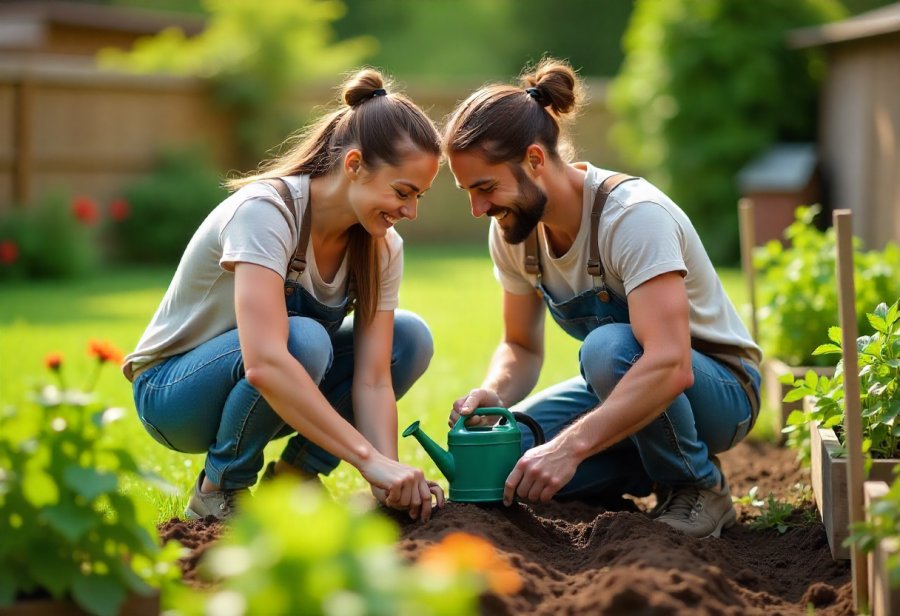
In an era dominated by digital screens and fleeting online interactions, can the simple act of tending a garden unlock profound emotional bonds and promote healing? This compelling exploration reveals how shared outdoor labor—planting seeds, watering, and nurturing—serves as a powerful antidote to modern disconnection. Gardening offers more than beautification; it fosters patience, resilience, and empathy, transforming physical effort into emotional growth. As participants work side-by-side, they forge trust, break down barriers, and nurture honest communication, echoing the timeless role of gardens as social and emotional hubs. From ancient communal plots to contemporary community projects, the act of caring for plants becomes a metaphor for nurturing human relationships. Could cultivating a garden together serve as a blueprint for cultivating deeper human connection and resilience? This journey underscores that, amidst life’s chaos, patience and shared effort can grow lasting bonds rooted in nature’s timeless rhythms.
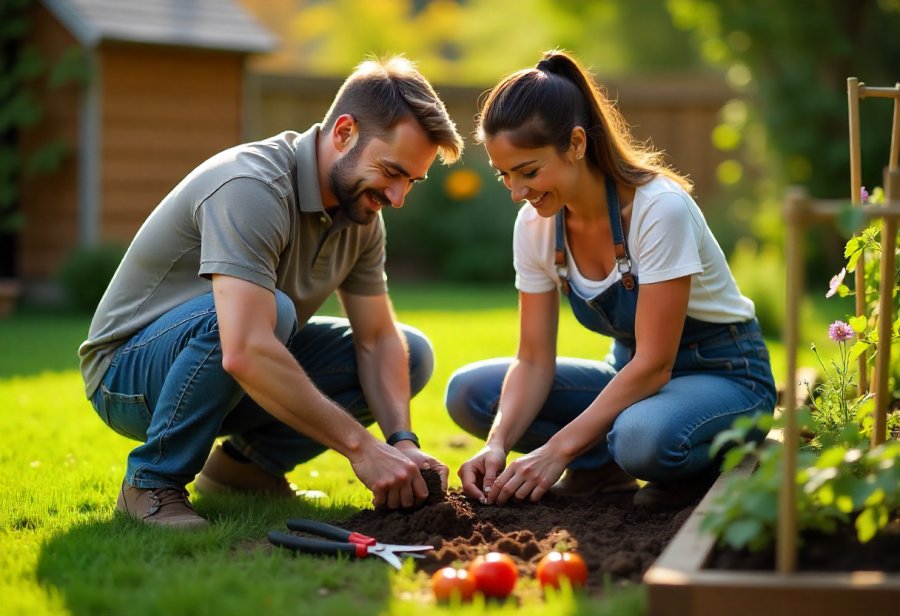
Reconnect and Heal: The Transformative Power of Gardening in a Digital Age
In today’s fast-paced digital world, genuine human connection often feels more elusive than ever. We spend hours scrolling through social media feeds, exchanging quick texts, or binge-watching shows behind screens that can create distance rather than closeness. Amid this noise, gardening offers a quiet, grounding alternative—an activity that encourages us to slow down and reconnect, not just with nature, but with ourselves and others. Digging into soil, planting seeds, and tending to plants demand hands-on effort, engaging our senses and fostering mindfulness in a way that screens simply can’t replicate.
Gardening isn’t just about growing vegetables or flowers; it’s a form of emotional therapy. When we work with soil and nurture living things, our bodies release feel-good chemicals like serotonin and dopamine, which can help reduce stress and lift our mood. Caring for plants provides a sense of purpose and achievement, offering comfort and stability during tough times. Sharing this activity with someone else amplifies these benefits, creating spaces for meaningful conversations, shared effort, and mutual support.
In a world dominated by digital interactions, gardens become physical spaces where authentic connections can flourish. Unlike virtual exchanges, gardening involves face-to-face contact—lifting, watering, harvesting—that promotes trust and openness. These outdoor activities help break down emotional barriers, encouraging vulnerability and honest communication. Over time, tending a garden together can strengthen bonds, reminding us that growth takes patience, effort, and care—principles that also apply to our relationships.
Throughout history, gardens have served as vital social hubs, fostering community and emotional exchange. From ancient communal plots to Renaissance retreats, outdoor spaces have been more than aesthetic—they’ve been places of gathering, storytelling, and relationship building. Today, this legacy continues, demonstrating that shared outdoor activities remain powerful tools for healing and connection, especially when rooted in collective effort and care.
Gardening also nurtures qualities like patience, resilience, and empathy. Watching a seed sprout teaches us that growth takes time—both in plants and in relationships. Challenges such as pests or bad weather become opportunities for teamwork and problem-solving, deepening understanding and trust. These shared experiences teach us that perseverance and cooperation lead to lasting bonds, making gardening a natural metaphor for emotional nurturing.
The sensory experiences involved—feeling soil, smelling flowers, listening to outdoor sounds—are integral to creating emotional intimacy. These moments ground us in the present, fostering mindfulness and calm. Working outdoors encourages open, honest conversations, and the act of caring for something fragile builds vulnerability and trust. Over time, these shared sensory interactions help forge stronger, more authentic connections.
Ultimately, gardening offers a simple yet profound way to bridge the gap created by digital life. It reminds us that growth—both in nature and in relationships—requires patience, effort, and mutual care. As we nurture life in the soil, we also nurture deeper bonds with others, fostering resilience and emotional well-being. In a disconnected world, tending a garden together becomes a powerful act of connection, healing, and shared purpose.
Roots of Wellness: Essential Foundations of Gardening and Emotional Well-Being
Gardening extends beyond a relaxing pastime; it offers tangible psychological and emotional benefits that support mental well-being every day. Spending time outdoors and working with soil naturally reduces stress and enhances mood, thanks to the release of chemicals like serotonin and dopamine. Caring for plants provides a sense of purpose and achievement, offering comfort and stability, especially during challenging times. This act of nurturing life helps ground us in the present, easing mental clutter and fostering mindfulness.
Historically, gardens have played a central role in social and emotional life across cultures. In ancient communities, communal plots weren’t just about growing food—they were vital gathering spots for sharing stories, strengthening bonds, and creating a sense of belonging. During the Renaissance, elaborate gardens became symbols of social status and peaceful retreats for reflection. These outdoor spaces have long served as platforms for emotional exchange, and that legacy endures today in the way shared gardening can foster connection.
Gardening naturally cultivates qualities like patience, resilience, and empathy. Watching a seed sprout takes time, reminding us that growth—whether in plants or relationships—requires patience and care. When challenges like pests or bad weather occur, they become opportunities for teamwork and problem-solving, deepening understanding and trust. Overcoming setbacks together reinforces that perseverance and mutual effort lead to lasting bonds, making gardening a powerful metaphor for emotional nurturing.
The tactile experience of gardening—feeling soil, smelling flowers, listening to outdoor sounds—grounds us in the present moment. These sensory interactions foster mindfulness, calm, and emotional openness. Working outdoors encourages honest conversations and shared vulnerability, creating a safe space where trust can grow naturally. These moments of sensory engagement help strengthen bonds, making connections more authentic and resilient.
Gardening also promotes empathy by requiring us to care for delicate plants and respond to their needs. This gentle act of tending nurtures compassion and understanding, skills that translate directly into emotional support in our relationships. As we nurture the garden, we learn that patience and attentiveness are essential ingredients for growth, both in nature and in human connections.
Furthermore, the physicality of gardening provides a healthy outlet for emotional release. The act of digging, planting, or watering can be cathartic, helping to process feelings and reduce anxiety. As we see the tangible results of our effort in lush greenery and vibrant blooms, we reinforce a sense of accomplishment and hope—reminding us that nurturing something outside ourselves can also nurture our inner resilience.
In all these ways, gardening acts as a natural, accessible tool for emotional well-being. It encourages us to slow down, be present, and cultivate patience—values that are vital for strong, meaningful relationships. By tending to a garden together, we not only grow plants but also nurture trust, empathy, and resilience, reinforcing that connection often flourishes best when rooted in shared effort and care.
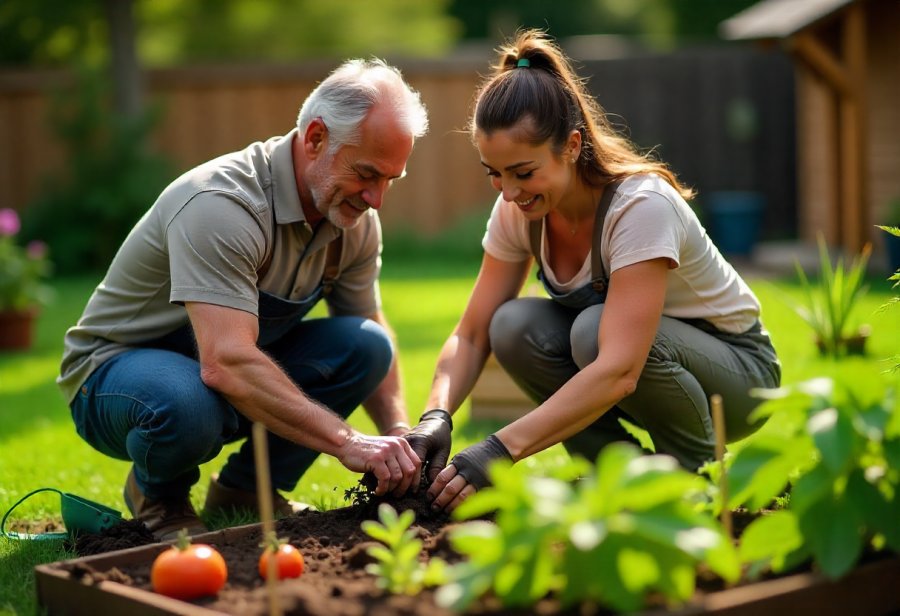
Growing Closer: How Shared Gardening Cultivates Emotional Bonds
Sharing gardening experiences naturally creates a space where emotional bonds can deepen. When people work together—planting seeds, watering, or harvesting—they engage in a shared activity that builds trust and a sense of teamwork. These moments often lead to meaningful conversations and mutual support, strengthening relationships over time. Watching the garden flourish because of collective effort reinforces the idea that growth takes patience and cooperation, both in the garden and in our connections.
Working side by side fosters a joint purpose. Instead of feeling isolated, participants feel connected through the common goal of nurturing life. This shared effort brings a sense of achievement that’s hard to find elsewhere. Seeing a plant thrive because of everyone’s care creates small victories that boost trust and encourage openness. These shared successes help break down barriers, making it easier to be honest and vulnerable with each other.
Gardening also teaches qualities like patience and resilience—traits that translate well into emotional development. Witnessing a seedling sprout takes time, and that same patience applies to relationships. When setbacks such as pests or bad weather happen, they become opportunities to problem-solve together and learn from challenges. Overcoming these hurdles as a team deepens understanding and empathy, reinforcing that perseverance leads to growth, both in plants and people.
The sensory aspects of gardening—feeling soil, smelling flowers, listening to outdoor sounds—add another layer of connection. These experiences ground participants in the present, fostering mindfulness and calm. As people work outdoors, they tend to communicate more openly, sharing stories and offering support. These shared sensory moments create a rich environment for authentic presence and mutual care, making emotional bonds more genuine and resilient.
All of these elements combine to turn shared gardening into more than just a physical task. It becomes a foundation for emotional intimacy, where patience, effort, and sensory engagement nurture trust and vulnerability. Tending a garden together becomes a metaphor for nurturing each other, illustrating that growth and healing happen side by side through shared effort and genuine connection.
Planting Relationships: Practical Steps to Strengthen Connections Through Gardening
Starting a gardening project with someone you care about can be straightforward and rewarding. Choosing a space that feels accessible—whether it’s a backyard, balcony, or community plot—sets a solid foundation. Involving everyone in selecting what to grow fosters a shared sense of ownership and excitement from the start. Keeping initial tasks simple, like planting seeds or watering, makes the process approachable and prevents overwhelm. Regular, even brief, sessions help establish a routine that gradually strengthens bonds and creates meaningful shared experiences.
Providing basic resources such as seeds, tools, and easy-to-follow guides makes participation more enjoyable and less frustrating. When everyone has what they need, engagement naturally increases, and conversations about progress and challenges deepen emotional ties. Watching the garden flourish as a team solidifies the feeling of collective achievement, reinforcing trust and mutual support. Celebrating small milestones, like a sprout or a bloom, transforms routine chores into joyful moments that nurture connection.
Time can be a hurdle, especially in busy lives. To keep gardening relevant and manageable, start with short, focused sessions—just 15 to 20 minutes once a week. These quick acts of care still foster teamwork and a sense of accomplishment. For those with limited outdoor space or physical restrictions, container gardening or balcony setups offer flexible options that fit different lifestyles. Small, consistent efforts can build a sense of shared purpose and intimacy over time.
Establishing a routine helps turn gardening into a lasting part of your relationship. Picking a specific day and time creates a dependable rhythm that everyone can look forward to. During these moments, focus on shared tasks—planting, watering, harvesting—that naturally promote communication and cooperation. Celebrating the garden’s growth together, whether it’s a new sprout or a flowering plant, reinforces the idea that patience and effort lead to progress, both in the garden and in relationships.
Community resources can further support your gardening endeavors. Local workshops, community gardens, and online tutorials provide guidance and foster a sense of belonging. Participating in these programs broadens access and brings like-minded people together around a shared goal. These efforts help overcome barriers and deepen the sense of collective purpose, making gardening not just an activity but a bonding experience rooted in shared effort and nature’s calming presence.
Fostering growth in a garden isn’t just about plants; it’s about nurturing the bonds that hold relationships together. Small, consistent acts of tending—whether planting herbs or maintaining a vegetable patch—encourage patience, cooperation, and vulnerability. These shared routines create a safe space for honest conversations and mutual support. Over time, caring for something living together becomes a powerful metaphor for emotional nurturing, helping relationships flourish alongside the garden.
Cultivating the Future: Embracing Gardening as a Path to Community and Emotional Resilience
Sharing a garden experience can do more than brighten a space; it has the power to deepen human bonds and support emotional healing. As more communities recognize the benefits of outdoor activities, gardening emerges as a valuable tool for fostering mental well-being and strengthening connections. Initiatives like community gardens, urban farming projects, and accessible programs are making it easier for diverse groups to participate, proving that shared effort and nature’s calming influence can bridge gaps and build unity.
Gardening teaches patience, cooperation, and vulnerability—values essential for trust and resilience. Tending to plants side by side reminds us that growth takes time and persistent effort, whether in a garden or in relationships. Watching a seed turn into a flourishing plant becomes a metaphor for nurturing emotional bonds, reinforcing that perseverance and shared care lead to lasting connections. These small acts of tending can foster empathy and understanding, creating a foundation for deeper intimacy.
Looking ahead, the future of gardening as a tool for connection looks promising. More communities are integrating outdoor spaces into mental health and social programs, recognizing their capacity to address emotional needs. Advances in technology, such as smart gardening tools and online platforms, are making it easier for people to engage with nature regardless of space or physical ability. This expanding accessibility means gardening’s benefits can reach even more people, helping them find solace and connection in shared outdoor activity.
The trend toward collaborative, sustainable gardening highlights its potential to rebuild social ties strained by modern life. Shared projects encourage teamwork, patience, and caring—qualities that can help bridge divides across different backgrounds and ages. These gardens serve as more than just green spaces; they are living symbols of community resilience and emotional support. As awareness grows, collective efforts in gardening will continue to play a meaningful role in healing and strengthening social fabric.
While gardening isn’t a cure-all, its simplicity and accessibility make it a powerful complement to other forms of emotional support. Tending plants together—whether it’s planting herbs or maintaining a vegetable patch—fosters patience, cooperation, and vulnerability. These daily acts create safe spaces for honest conversations and mutual understanding. Over time, nurturing life outdoors mirrors nurturing relationships, cultivating empathy and resilience that can transform how we connect.
In a world that often pulls us apart, the act of caring for a garden offers a quiet revolution—one rooted in patience, effort, and shared purpose. It reminds us that growth requires time and nurturing, both in nature and in human bonds. As we continue to explore ways to incorporate outdoor spaces into our lives, the possibilities for connection and healing expand, offering hope for stronger, more compassionate communities rooted in the simple act of tending together.
About the Author