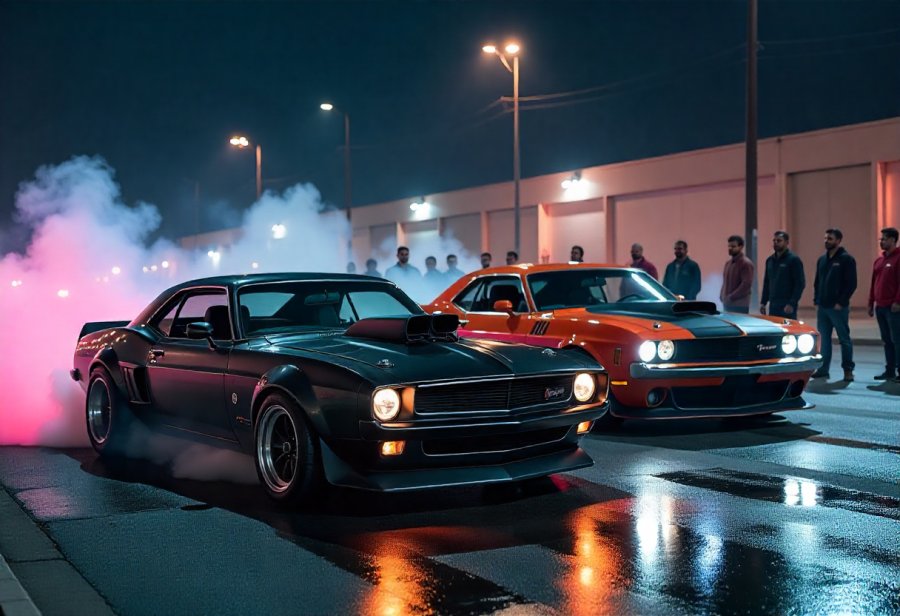
Underground street racing is more than a pursuit of speed; it’s a clandestine world defined by fierce competition and unbreakable brotherhood. As night falls, city streets transform into secret arenas where modified cars—personal expressions of craftsmanship—race amid flickering lights and swirling tire smoke. Beyond adrenaline, these gatherings forge bonds rooted in loyalty, tradition, and shared risks, turning drivers into a tight-knit family. These relationships, built in garages and shadowed streets, transcend mere friendship, embodying resilience and cultural pride. Yet, how does a scene so driven by rebellion and danger sustain its core values amidst increasing legal crackdowns and technological change? This culture’s future lies in its ability to adapt—balancing innovation, safety, and tradition—while maintaining the unbreakable ties that make underground racing a powerful symbol of urban identity and perseverance. Will it continue to thrive, or fade into the shadows? The answer lies in the enduring spirit of its community.
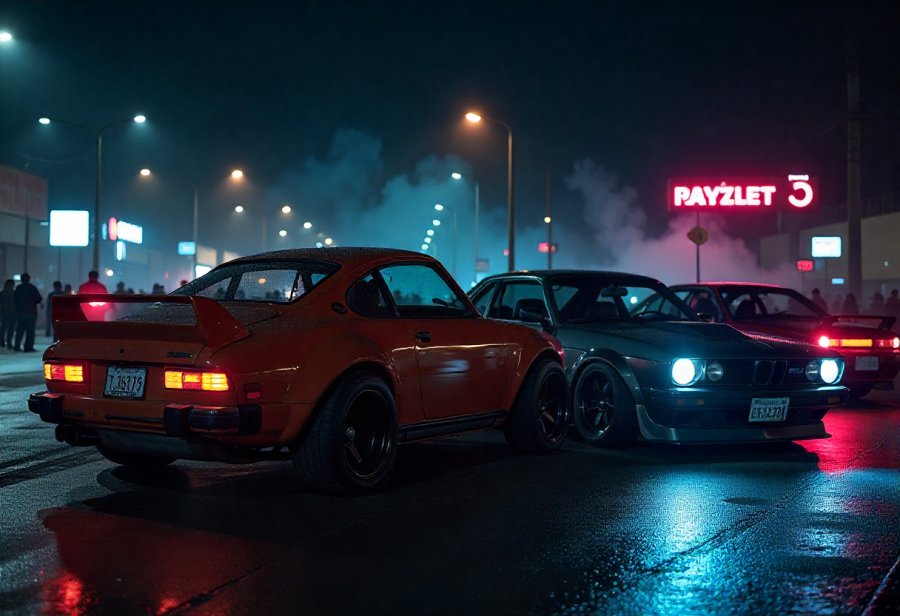
Discover the Hidden World of Underground Street Racing
Underground street racing isn’t just about hitting top speeds; it’s a vibrant, often hidden layer of urban life that pulses beneath the surface of city streets. In many cities around the world, these clandestine meets happen in abandoned lots, quiet backroads, or forgotten industrial areas—places where the thrill of racing remains unseen by the general public. These secret gatherings are more than mere competitions; they serve as social hubs where participants share a deep passion for speed, craftsmanship, and rebellion against the ordinary.
For those who find formal motorsports too costly or overly regulated, underground racing offers an accessible—and adrenaline-fueled—alternative. It’s a scene driven by raw passion and loyalty, where skill, creativity, and community matter far more than corporate sponsorships or official rules. Racers push their cars—and themselves—beyond limits, often risking legal trouble for the rush of adrenaline and the sense of belonging that comes with being part of this underground family.
Night racing holds a special place in this culture. When darkness falls, city streets transform into hidden arenas of trust and camaraderie. Drivers and crews gather in shadows, exchanging tips, supporting each other’s efforts, and passing down customs that deepen their bonds. These late-night drives aren’t just about winning or speed—they’re about tradition, shared stories, and a collective identity rooted in loyalty and risk-taking.
The vehicles tell their own stories of personal expression and craftsmanship. Modified cars—whether muscle cars, sleek tuners, or exotic imports—are more than transportation; they’re badges of pride. Every custom paint job, engine upgrade, and handcrafted detail reflects the driver’s personality and their crew’s culture. These cars embody years of effort, creativity, and loyalty, transforming the streets into moving canvases of community identity.
Night races serve as gatherings of kinship, where shadows and streetlights create an intimate atmosphere. These moments forge connections that last a lifetime—shared adrenaline, secrets, and rituals passed down through generations. Respect for unspoken codes and traditions keeps the community cohesive, ensuring that the spirit of underground racing remains strong despite external pressures and changing times.
Support from crews and families forms the backbone of this culture. Racers rely on trusted groups for repairs, insider knowledge, and protection during tense moments, like police raids or rival confrontations. These relationships are built on mutual trust and loyalty, transforming individual drivers into a close-knit family. Whether lending tools late at night or defending each other’s reputations, the collective spirit keeps the scene alive and resilient.
At its core, underground street racing is more than a pursuit of speed—it’s a culture of unbreakable bonds forged through shared risks, craftsmanship, and loyalty. It offers a space where individuals find purpose and belonging amid urban chaos. These connections, built in the shadows and fueled by adrenaline, sustain the scene’s vitality and deepen its role as a powerful expression of urban identity.
Core Elements Fueling the Underground Racing Scene
Underground street racing communities are held together by a handful of core elements that define their unique identity. At the heart of it all are the cars—more than just transportation, they’re an extension of the driver’s personality. Racers dedicate hours to customizing their vehicles, whether through engine swaps, performance upgrades, or eye-catching paint jobs. These modifications aren’t just about speed; they’re badges of pride, symbols of loyalty, and expressions of individual style that tell stories of craftsmanship and community.
Night racing is the scene’s heartbeat. As darkness settles in, city streets transform into secret arenas where trust and camaraderie flourish. These late-night gatherings aren’t just about beating the clock—they’re about shared experience. Drivers exchange tips, lend tools, and support each other through the chaos, reinforcing bonds that go beyond mere competition. The shadows and flickering streetlights create an intimate atmosphere, turning each race into a ritual of loyalty and mutual respect.
Support networks form the backbone of these communities. Racers often operate within informal crews—groups of friends or lifelong allies—who help with repairs, share insider knowledge, and stand together during tense moments, like police raids or rival confrontations. Loyalty isn’t just implied; it’s earned through countless acts of trust and support, transforming individuals into a close-knit family. This collective backing ensures the scene’s resilience, even amid external pressures.
Unspoken customs and rituals further solidify these bonds. From secret meeting spots to signals during races, these traditions are passed down through generations, creating a shared language that keeps the community cohesive. Respecting these customs is crucial—breaking the unwritten code can mean exclusion or loss of trust. These traditions provide a sense of continuity, ensuring that the culture remains vibrant and authentic despite evolving times.
Cars themselves are living symbols of identity. Whether muscle cars, sleek tuners, or exotic imports, each vehicle reflects its owner’s personality and their crew’s heritage. Custom artwork, performance upgrades, and handcrafted details make each car a moving canvas of loyalty and pride. These vehicles embody years of effort, dedication, and community spirit, turning the streets into galleries of shared culture.
At its core, underground street racing isn’t just about speed—it’s about the unbreakable bonds formed through shared risks, craftsmanship, and loyalty. It’s a culture rooted in brotherhood, where trust and tradition create a resilient community. These elements forge lasting connections that go far beyond the pavement, making underground racing a powerful expression of urban identity and collective resilience.
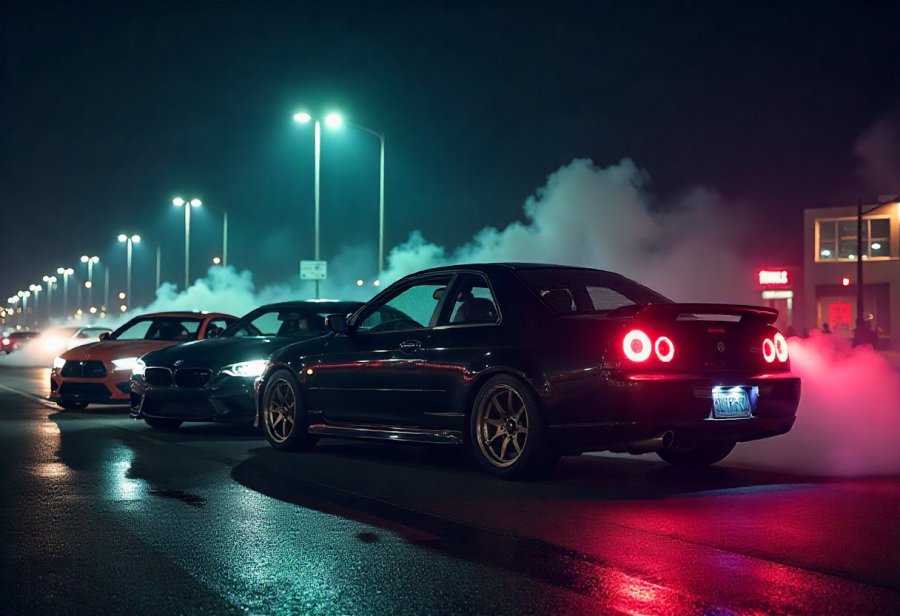
The Brotherhood Behind the Speed: Stories of Loyalty and Bonding
The social fabric of underground street racing is built on relationships that run deeper than the cars themselves. Behind every high-speed run is a crew—a tight-knit group of friends, family, or longtime allies—who support, protect, and sustain each other through thick and thin. These bonds often form in late-night garages, during shared tuning sessions, or in the moments before a race, when nerves and adrenaline collide. Over time, these experiences forge a sense of belonging that feels more like kinship than casual friendship, rooted in mutual trust and loyalty.
Many racers describe their crews as their second family. These groups are formed not just through shared passion for speed, but through acts of loyalty that withstand the test of time. Whether it’s lending tools during a late-night repair, offering advice during tense moments, or standing guard during police sweeps, every act of support cements their bond. Loyalty isn’t something that’s handed over lightly—it’s earned through countless acts of backing each other up, sharing risks, and celebrating victories together. These relationships grow stronger with each shared challenge, transforming individual drivers into a brotherhood.
Personal stories reveal how racing becomes a pathway to resilience and respect. Some grew up in neighborhoods where opportunities were scarce, finding purpose and pride in their skills behind the wheel. Others see racing as a form of rebellion, a way to carve out an identity that commands respect in a world that often dismisses them. These narratives highlight that underground racing isn’t just about speed—it’s about proving oneself, earning trust, and forging a legacy within a community that values perseverance and loyalty above all.
Night racing amplifies this sense of kinship. As darkness cloaks the streets, the shadows become a backdrop for shared secrets and rituals. Crews gather in dimly lit spots, exchanging stories, tips, and traditions passed down through generations. These moments of camaraderie deepen trust and reinforce the unspoken code that holds the community together. Respect for customs, signals, and shared experiences creates a cohesive culture, ensuring that even as new members join, the core values remain intact.
At its core, underground street racing is a network of unbreakable bonds formed through shared risks, craftsmanship, and loyalty. It’s a culture where loyalty is tested and proven time and again, creating an enduring brotherhood that transcends individual races. These relationships turn fleeting moments of adrenaline into lifelong connections, making the scene more than just a pursuit of speed—it’s a resilient community rooted in trust, tradition, and collective identity.
Unveiling the Impact and Significance of Underground Racing
Underground street racing extends far beyond the thrill of high-speed chases; it leaves a deep imprint on individuals and communities that goes beyond adrenaline. For many, especially those in marginalized urban neighborhoods, this culture provides a rare sense of purpose and belonging that’s often missing from their daily lives. It values skill, craftsmanship, and loyalty more than societal expectations, offering racers respect and recognition they might struggle to find elsewhere. The shared risks and adrenaline forge bonds that feel more like family ties, turning strangers into lifelong allies.
This scene shapes the social fabric of its communities. Crews and groups act like extended families, bonded through late-night tuning sessions, tense races, and mutual support during law enforcement visits. These relationships foster trust and resilience, creating a social network that persists despite external pressures. In neighborhoods where opportunities are scarce, underground racing becomes a vital source of identity, achievement, and emotional stability—an alternative form of social capital rooted in loyalty and shared hardship.
On a personal level, cars become symbols of resilience and pride. Custom modifications—bold paint jobs, performance upgrades, handcrafted details—are more than aesthetic choices; they are expressions of individual identity and cultural roots. For many, their vehicles tell stories of dedication, community, and rebellion. Racing offers a pathway to respect and recognition, proving that perseverance and skill can carve out a space of honor amid a world that often overlooks them.
While the allure is undeniable, underground racing carries inherent risks—legal crackdowns, safety hazards, and potential crashes. Yet, for many participants, the bonds forged in these moments of shared danger outweigh the dangers themselves. The adrenaline rush, combined with the support of their crews, creates a loyalty that’s difficult to break. These shared experiences and collective resilience reveal how deeply intertwined the scene is with personal identity and community strength.
Culturally, underground racing acts as a powerful form of urban expression. Racers personalize their cars with artwork, decals, and performance enhancements that reflect their heritage and style. These vehicles are more than transportation—they’re moving symbols of pride and craftsmanship, reinforcing community identity. Customs, signals, and rituals, passed down through generations, maintain a sense of continuity, connecting newcomers with veterans and preserving the authenticity of the scene amid change.
As technology and legal landscapes evolve, the scene continues to adapt. Digital tuning, social media, and online communities expand reach and foster new connections, making the culture more accessible while presenting fresh challenges. Despite these shifts, core values—loyalty, brotherhood, and shared passion—remain strong. The bonds built through shared risks and traditions ensure that underground racing endures as a vital expression of urban resilience and collective identity.
Ultimately, the significance of underground street racing lies in its ability to forge lasting bonds rooted in loyalty, craftsmanship, and shared risk. It’s a culture that transforms fleeting moments of adrenaline into lifelong connections, creating a resilient community that thrives amid adversity. Through these unbreakable ties, underground racing continues to symbolize more than just speed; it embodies the spirit of perseverance, rebellion, and unity that defines urban life.
Future Perspectives: Evolving Trends and Resilient Culture of Street Racing
Underground street racing has shown remarkable resilience over the years, continually evolving while remaining true to its core values of loyalty, brotherhood, and adrenaline. As technology advances, racers are finding new ways to connect and showcase their skills, making the scene more dynamic and accessible. Digital tuning tools, social media platforms, and online communities enable enthusiasts to organize events, exchange ideas, and promote their cars like never before. These innovations help attract fresh talent and keep the culture alive, even amid increasing legal pressures.
Despite the rise of digital engagement, the heart of underground racing still beats with the bonds formed through shared risks and experiences. Younger generations are inheriting these traditions, carrying forward customs, signals, and rituals that have been passed down from seasoned veterans. This continuous transfer of knowledge ensures that the scene maintains its authenticity and resilience, blending old-school loyalty with modern tools and techniques. The community’s strength lies in its ability to adapt without sacrificing its roots.
Legal crackdowns, safety concerns, and stricter regulations remain threats, but the community has proved adept at finding ways to stay connected. Some racers organize safer, legal events or use digital spaces to share their craft while staying under the radar. Others push boundaries into online streaming and social media, expanding their reach and influence. This balancing act between risk and safety preserves the scene’s rebellious spirit while allowing it to evolve and thrive in new environments.
The bonds of loyalty and brotherhood are the foundation that will carry underground racing forward. Built on trust, shared experiences, and mutual respect, these relationships create a resilient core that withstands external pressures. Even as new generations and technologies emerge, the values of resilience, craftsmanship, and community spirit remain intact. These unbreakable ties ensure that racing isn’t just about speed but about a collective identity that endures through time.
As the scene continues to adapt, its culture of innovation and tradition will remain intertwined. Custom cars, rituals, and shared stories are being preserved while embracing new styles and methods of storytelling. This fusion of heritage and modernity keeps the scene fresh and relevant. The rebellious, creative spirit that defines underground racing continues to inspire new members and maintain its vital role as a symbol of urban resilience and pride.
Looking ahead, underground street racing will likely remain a powerful expression of urban identity. Its future depends on balancing the thrill of high-speed competition with increased safety and legality. The community’s ability to innovate without losing sight of its fundamental values will determine its longevity. With unbreakable bonds and a shared love for the craft, underground racing will continue to inspire, connect, and symbolize the resilience of city life long into the future.
About the Author




