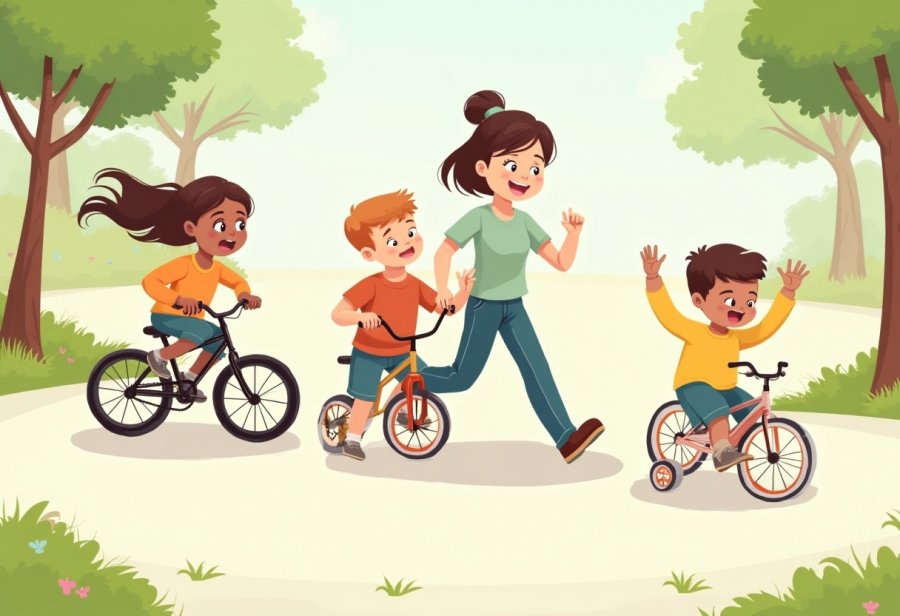
Learning to ride a bike isn’t just about balancing on two wheels; it’s a profound journey of courage, resilience, and family bonds. As children wobble and fall, they learn that setbacks are part of growth, transforming fears into confidence. But does the thrill of independence outweigh the risk of falling? This timeless milestone symbolizes more than physical skill—it embodies trust, patience, and perseverance nurtured by supportive loved ones. Historically rooted in a culture of exploration and freedom, cycling continues to represent personal growth and adventure across generations. The shared moments of encouragement and teamwork turn a simple act into a lasting memory, shaping resilient, self-assured individuals. Ultimately, mastering the bike becomes a metaphor for life’s challenges—teaching children that with persistence and support, they can conquer fears, embrace risks, and ride toward a future filled with confidence and independence.
The Courageous First Steps Toward Independence
Learning to ride a bike isn’t just about balancing on two wheels; it’s a milestone rich with meaning. For many children, those first shaky pedals or wobbly starts mark more than just a new skill—they symbolize courage, independence, and the support of family. It’s a moment that often feels small in the grand scheme but carries deep emotional weight, marking a transition from dependence to self-reliance.
This journey begins with tiny steps—gaining balance, coordinating pedals, and trusting in their own abilities. It’s as much about patience from parents as it is about the child’s willingness to try. Gentle encouragement and steady support turn what might seem daunting into an exciting challenge, turning each wobble into a building block for confidence.
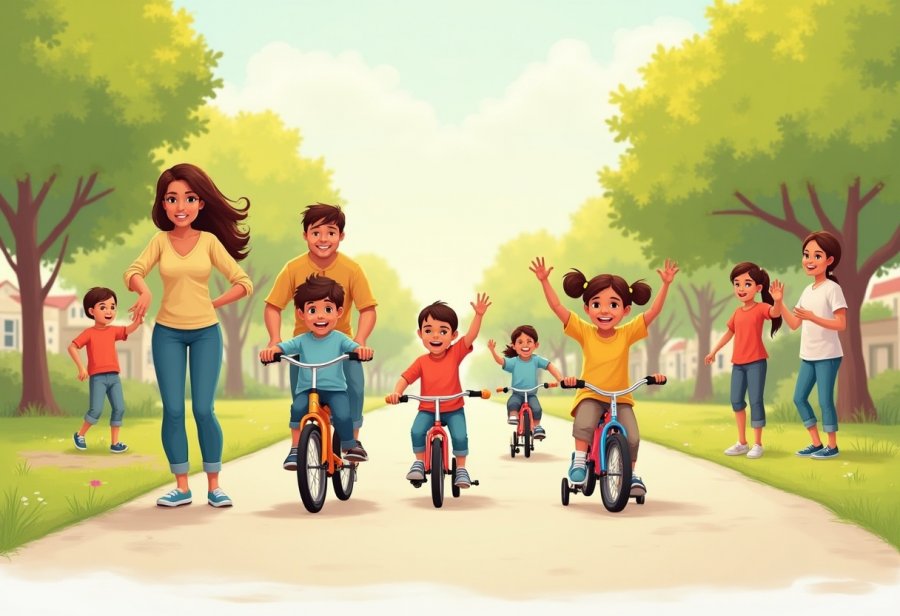
The shared experience of learning to ride creates bonds that last. When family members run alongside, offering a steady hand or a word of reassurance, children feel safe to experiment and fall. These moments of teamwork and reassurance transform into treasured memories, reinforcing that they’re not alone in their efforts.
As children progress from hesitant pushes to steady pedaling, they discover that falling is part of the process. Each stumble and recovery teach resilience—an essential trait that extends far beyond the bike. With every fall, they learn that setbacks aren’t failures but opportunities to try again, building a mindset that values persistence over perfection.
What makes this journey truly special is how it fosters more than physical skill. It nurtures courage, patience, and the understanding that growth often involves taking risks. When children overcome their fears, they gain a sense of achievement that fuels their confidence to face future challenges, both on and off the bike.
Family involvement plays a crucial role. Whether it’s holding the bike steady during early attempts or celebrating small victories, these shared moments build trust and encourage perseverance. The support and reassurance from loved ones turn a sometimes-frustrating process into a joyful adventure.
Learning to ride also teaches that fear can be managed, and courage is built one pedal stroke at a time. Those early wobbling rides and falls become symbols of bravery—proof that trying despite the risk of falling leads to independence and joy. They remind us that growth requires stepping outside comfort zones and embracing the possibility of failure.
In the end, teaching a child to ride isn’t just about mastering balance. It’s about planting seeds of confidence and resilience that will carry them through many more adventures. Every shaky start and triumphant ride highlights the power of support, patience, and courage—values that shape not only a rider but a resilient, self-assured individual ready to explore the world.
Cycling’s Rich History and Its Cultural Significance
Cycling’s history stretches back over two centuries and has profoundly shaped our ideas of independence and mobility. The earliest practical bicycles emerged in the early 1800s, made from wood and metal, and quickly became symbols of freedom and exploration. These pioneering designs allowed people to travel farther and faster, sparking a cultural shift toward personal transportation. As bicycle technology advanced, bikes became lighter, safer, and more accessible, transforming riding from a leisure activity into an essential part of daily life and childhood development.
Across different cultures, bicycles have served roles beyond simple transportation. They fostered social bonds and nurtured independence, especially among children. In many societies, learning to ride a bike marked a rite of passage, signaling a step toward adolescence and self-reliance. Families would spend weekends exploring local parks or countryside routes, making cycling a shared experience that built trust and resilience. The bicycle became more than just a tool for movement; it became a symbol of freedom, community, and perseverance.
Technological innovations further embedded cycling into everyday routines. Features like reliable brakes, sturdy tires, and lightweight frames made riding more accessible and less intimidating for beginners. Training wheels emerged as helpful tools for building confidence, allowing kids to focus on balancing and coordination without fear. Dedicated bike paths and safer environments encouraged families to incorporate cycling into their routines, reinforcing the activity’s role in fostering independence and healthy growth from a young age.
Throughout history, inventors and breakthroughs have played pivotal roles. The 1817 invention of Karl Drais’s “laufmaschine” laid the groundwork, but it was John Kemp Starley’s safety bicycle in the late 1800s that truly revolutionized riding. Pneumatic tires, chain drives, and lightweight frames made bikes smoother, safer, and more comfortable, making cycling an accessible activity for children around the world. These innovations helped establish cycling as a core part of childhood, promoting physical activity, resilience, and self-confidence.
Different regions have embraced cycling uniquely, yet the core themes remain consistent. In the Netherlands and Denmark, children ride to school daily, integrating cycling into their routines seamlessly. In other parts of the world, cycling might be more recreational or competitive, but the symbolic value endures—representing freedom, adventure, and personal growth. For many families, learning to ride isn’t just about mastering a skill; it’s about embarking on a shared journey of independence, trust, and resilience that can last a lifetime.
Today, cycling continues to evolve with new technologies and cultural shifts. Electric bikes and eco-friendly designs are making riding more accessible for all ages, while urban planning increasingly prioritizes bike-friendly infrastructure. Yet, the fundamental significance remains unchanged: cycling is a powerful rite of passage, a symbol of courage, and a catalyst for independence. It reminds us that the journey on two wheels is about more than movement—it’s about growth, connection, and the pursuit of freedom.
Core Ideas: Building Confidence and Balance
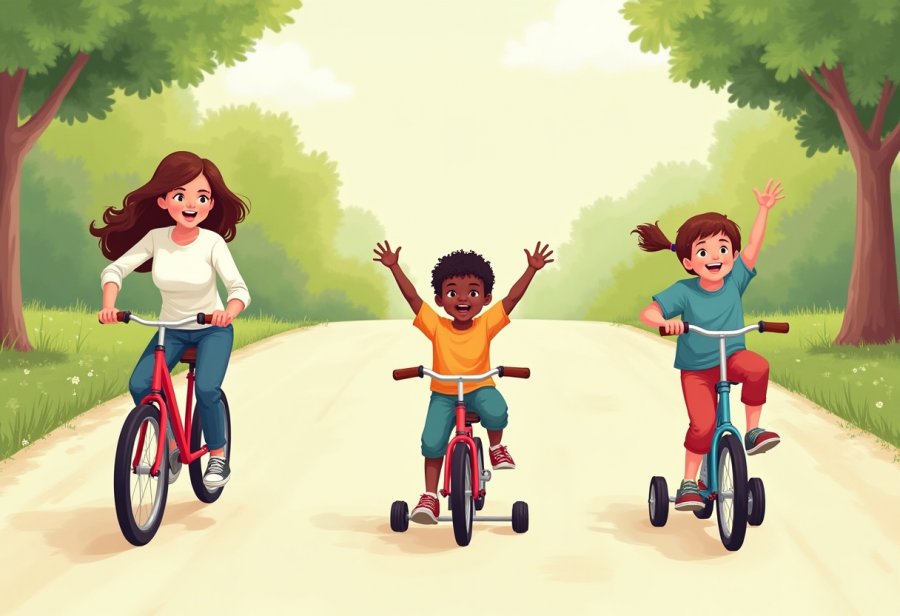
Learning to ride a bike combines physical coordination with mental confidence. Balance is the foundation — without it, staying upright is nearly impossible. Children often start by sitting steadily on the bike, feeling how it tilts and shifts, then progress to scooting or walking alongside to develop that crucial sense of equilibrium. Once balance becomes second nature, pedaling and steering come into focus. Repeating these actions helps muscle memory form, making the movements feel more natural and less intimidating.
Coordination goes hand in hand with balance. Kids need to synchronize their pedaling, steering, and posture to keep the bike steady. At first, this can feel overwhelming, but consistent practice reveals small successes—like pedaling a few meters without wobbling—that boost confidence and motivation. Recognizing these wins encourages perseverance, which becomes essential when tackling more challenging parts of riding.
Psychologically, confidence plays a pivotal role. Kids often wobble or fall, which can shake their belief in their abilities. Support from parents and caregivers helps reframe falls as normal steps in learning. When children see setbacks as part of the process rather than failure, they’re more willing to try again. Resilience develops through these moments, reinforcing that effort and persistence matter more than immediate perfection.
Patience is key. Learning to ride isn’t quick; it’s a gradual journey built on small achievements. Celebrating each step—like balancing without support or riding a few meters—helps children stay motivated. This approach fosters a growth mindset, where mistakes are seen as opportunities to learn rather than setbacks. It keeps frustration at bay and nurtures a positive attitude toward trying new skills.
Understanding these core concepts shapes effective teaching. Focusing first on balance, then on coordination and confidence, creates a manageable learning curve. It prevents overwhelm and helps kids approach riding with curiosity rather than fear. When they wobble or fall, framing these as normal parts of growth encourages resilience and helps them develop a sense of mastery. This mindset not only makes learning to ride more enjoyable but also builds skills that last a lifetime.
Hands-On Strategies for Effective Bike Learning
Teaching a child to ride a bike begins with creating a safe and encouraging environment where they can explore and practice without fear. Choose flat, traffic-free spaces like a quiet driveway or park, where focus can stay on balancing and pedaling. Using tools like training wheels or having a parent gently push from behind can help build initial stability and confidence. Allow children to get comfortable sitting on the bike, perhaps by scooting or holding onto the handlebars, before advancing to full pedaling. Celebrating small successes along the way keeps motivation high and transforms the process into a rewarding experience.
Family support is crucial throughout this journey. When loved ones are nearby, offering steady hands and words of encouragement, children feel safer to try, fall, and try again. Holding the seat during shaky starts or cheering after each small victory reinforces that effort matters just as much as success. These shared moments of teamwork and reassurance turn learning into a bonding experience, strengthening trust and resilience.
Building balance and coordination should be the focus early on. Activities like walking alongside the bike, sitting on it while holding the handlebars, or practicing balancing on one foot help develop essential skills gradually. Using training wheels or practicing on smooth, even surfaces minimizes frustration and allows children to focus on staying upright. As confidence grows, they can transition to pedaling steadily, emphasizing controlled, smooth movements that feel natural over time.
Encouraging children to face their fears of falling plays a vital role. Creating a safe space where wobbling and tumbles are normal helps them develop resilience. Reassure them that falling isn’t failure but part of the learning process. Sharing your own stories of slipping and getting back up can normalize setbacks and foster a growth mindset. When kids understand that mistakes are stepping stones, they become more willing to persevere through wobbling and bravely continue trying.
Equipping kids with the right gear boosts safety and confidence. A well-fitted helmet, knee and elbow pads, and sturdy shoes are essential. Choosing a bike suited to their size—perhaps with training wheels or a balance bike—reduces frustration and encourages enjoyment. Supplement practice with online tutorials or local riding classes to introduce fresh ideas and techniques, making learning more engaging. Setting up a dedicated, traffic-free practice area turns cycling into a positive, achievable milestone.
Patience and persistence are key. Learning to ride is a gradual process, with progress measured in small steps. Celebrate each achievement—whether it’s balancing without support or pedaling a few meters—because these victories build momentum. Maintaining a positive attitude helps children stay motivated, even when faced with setbacks. Reinforcing that effort and perseverance matter more than perfection fosters resilience and a love for cycling.
Ultimately, teaching a child to ride is about more than physical skills; it’s about instilling confidence, patience, and courage. By creating a supportive environment, celebrating small wins, and normalizing falls as part of growth, parents can guide children through this milestone with joy and reassurance. Each wobble and fall becomes a stepping stone toward independence, helping kids discover that the journey of learning is just as rewarding as the ride itself.
Celebrating Courage and the Joy of Riding
Overcoming the fear of falling marks a turning point in a child’s journey toward independence on two wheels. When children face their worries with encouragement and patience, they learn that risks are a natural part of growth, not something to be feared. Every wobble and tumble becomes a valuable lesson, helping them build resilience and a growth mindset. Falling isn’t a sign of failure but an opportunity to try again with more confidence, transforming setbacks into stepping stones that make the ride more rewarding.
The joy of riding extends beyond simply moving from one point to another. It’s about feeling the wind in their hair, exploring new places, and experiencing a sense of freedom that fuels their adventurous spirit. When children push past their initial fears, they open themselves up to these moments of pure delight. Each small victory—balancing without support or riding a little farther—reinforces that effort and perseverance are worth it. These experiences foster a sense of achievement that stays with them, nurturing confidence both on and off the bike.
Learning to ride is more than acquiring a skill; it’s about cultivating independence and self-trust that last a lifetime. Every wobble and fall teaches children that they can face challenges and come out stronger. When they realize they are capable of overcoming fears, they carry that confidence into other areas of life—whether tackling school projects, social interactions, or new experiences. The act of conquering a fear on the bike becomes a symbol of resilience, shaping their character and encouraging a brave approach to future obstacles.
Family support plays a crucial role in this process. When loved ones cheer from the sidelines, offer steady guidance, or simply share in the joy of each small success, it creates a safe space for kids to experiment and learn. These shared moments of encouragement and teamwork turn learning into a bonding experience that strengthens trust and perseverance. Over time, children understand that setbacks are just part of growth and that with patience, they can conquer even the most daunting challenges.
Riding a bike is ultimately a celebration of courage and the thrill of independence. The lessons learned along the way—embracing risks, bouncing back from falls, and trusting in oneself—equip children with resilience that extends far beyond the bike. Each wobble, each fall, and each triumphant ride are chapters in their story of growth. By fostering a mindset of courage and persistence, we help children discover not only the joy of cycling but also the confidence to face life’s many adventures with an open heart and a brave spirit.
About the Author