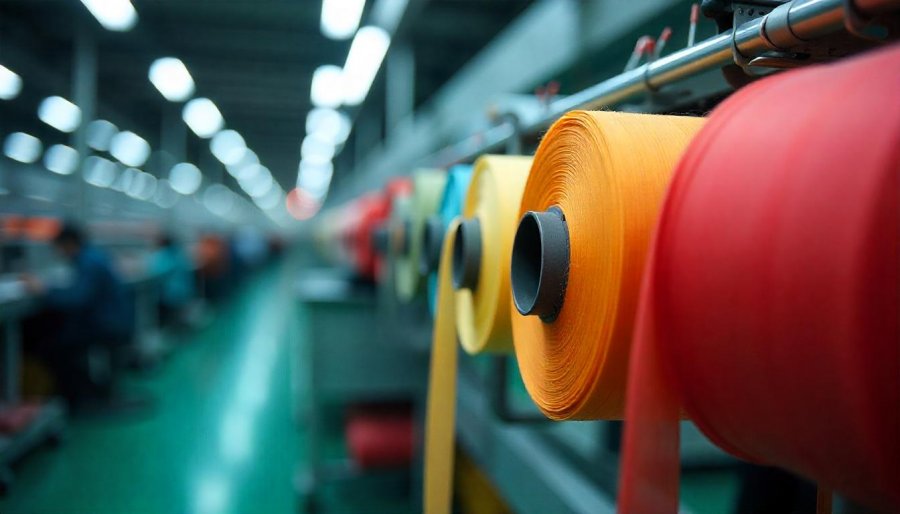
Contrary to its everyday ubiquity, nylon’s creation is rooted in the extraction and processing of fossil fuels, a process that exacts a heavy environmental toll. Its durability and widespread use—covering everything from clothing to industrial textiles—mask the ecological costs involved, including greenhouse gas emissions, chemical pollution, and resource depletion. As nylon persists in landfills for centuries and sheds microfibers into waterways, its environmental impact deepens, threatening ecosystems and human health alike. With the ongoing reliance on non-renewable resources and the challenge of recycling, this synthetic fiber embodies a paradox: offering convenience at the expense of our planet’s future. Are we willing to continue this cycle, or will technological and systemic changes finally allow us to reap the benefits of nylon responsibly? Recognizing the hidden costs behind this essential material invites urgent reflection on sustainable alternatives and our collective role in environmental stewardship.

Unveiling Nylon: Its Pervasiveness and Hidden Environmental Toll
Nylon is one of those materials that quietly shapes much of our daily lives. We wear it in tights, activewear, and even some workwear, often without giving it a second thought. It’s there in our carpets, upholstery, and outdoor gear, providing durability and flexibility that make our routines easier and more comfortable. Its presence is so widespread that it’s easy to forget how much we rely on it—and how little we consider where it comes from or what its production entails.
Developed in the 1930s, nylon revolutionized industries by offering a synthetic alternative to natural fibers like silk and wool. Its strength, elasticity, and resistance to wear made it a favorite for everything from clothing to industrial applications. Over the decades, nylon became embedded in our everyday objects, seamlessly blending into our wardrobes, homes, and even infrastructure. But behind this convenience lies a complex environmental story that isn’t often visible in our day-to-day lives.
Nylon is a man-made fiber derived from petrochemicals—fossil fuels extracted from beneath the Earth’s surface. Its production begins with oil and natural gas, which are refined into chemicals like adipic acid and hexamethylenediamine. These chemicals serve as the building blocks for nylon, undergoing chemical reactions that link them into long, resilient polymer chains. This process, called polymerization, transforms simple molecules into fibers that can be spun into threads or woven into fabrics, ready to be used in countless products.
However, creating nylon isn’t a straightforward or clean process. It’s energy-intensive, relying heavily on the combustion of fossil fuels to generate the heat and power needed for chemical reactions. This dependence results in significant greenhouse gas emissions—mainly carbon dioxide—that contribute to climate change. Additionally, the chemical reactions involved produce waste byproducts and emissions that can pollute air, water, and soil if not managed carefully. The runoff from factories can carry toxic chemicals into nearby water sources, contaminating ecosystems and threatening both wildlife and communities.
Our reliance on fossil fuels for nylon production ties into a larger environmental challenge: the depletion of finite resources. Oil and natural gas formed over millions of years, and as demand for nylon grows, so does the pressure on these reserves. The extraction and processing of these fuels not only deplete non-renewable resources but also cause habitat destruction, pollution, and greenhouse gas emissions. This cycle of resource depletion and environmental degradation underscores how a simple everyday material is linked to some of the most pressing global issues, from climate change to biodiversity loss.
Understanding the full story of nylon—from raw material extraction to its lifecycle as a consumer product—reveals why its environmental footprint is so significant. Its durability means it lasts for decades, but this same resilience makes it resistant to biodegradation. When discarded, nylon often persists for hundreds of years, gradually breaking down into microplastics that contaminate our soil and water. These tiny fibers infiltrate ecosystems and the food chain, posing risks to wildlife and humans alike. Recognizing these impacts is the first step toward making more responsible choices about the products we use and supporting innovations aimed at reducing nylon’s ecological footprint.
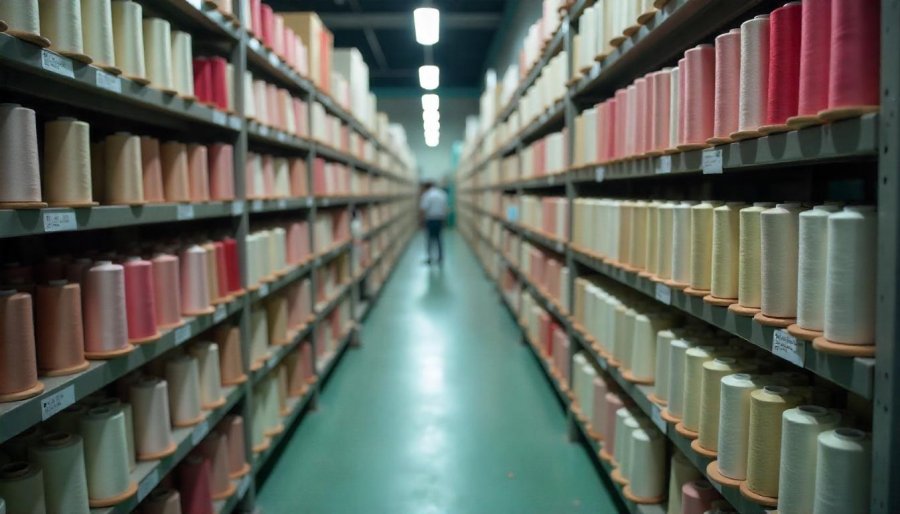
From Fossil Fuels to Fibers: The Chemical Heart of Nylon Production
Nylon’s production begins deep underground, sourcing raw materials from fossil fuels like oil and natural gas. These hydrocarbons are extracted through drilling operations, then undergo refining processes that transform them into the basic chemicals needed for nylon synthesis. The two primary building blocks are adipic acid and hexamethylenediamine, both of which are produced through complex chemical reactions involving these fossil fuels. These chemicals serve as the foundation for creating nylon, giving it the durability, elasticity, and resilience that make it so versatile.
Transforming these chemicals into nylon involves a process known as polymerization. In this process, small molecules—called monomers—like adipic acid and hexamethylenediamine are linked together into long chains called polymers. This chain formation occurs through chemical reactions facilitated by heat, pressure, and catalysts in large industrial settings. The resulting high-molecular-weight fibers can then be spun into fine threads or woven into fabrics, ready for use in textiles, carpets, or countless other applications.
However, nylon production is far from simple or clean. It is highly energy-intensive, relying heavily on burning fossil fuels to generate the heat and power necessary for chemical reactions. This reliance on non-renewable energy sources results in significant greenhouse gas emissions, particularly carbon dioxide, which contributes directly to climate change. Alongside emissions, the manufacturing process produces waste byproducts and chemical emissions. If not carefully managed, these pollutants can contaminate air, water, and soil, impacting ecosystems and human health.
Chemical pollutants are a particular concern during nylon manufacturing. Runoff containing toxic substances—such as derivatives of adipic acid—can escape into nearby water sources, contaminating ecosystems and threatening wildlife and communities. These persistent chemicals can remain in the environment long after they are released, making cleanup difficult. Spills and improper waste disposal can lead to long-term contamination of soil and water, with effects that ripple through local habitats and beyond.
The dependence on finite fossil fuel resources adds another layer of concern. Oil and natural gas took millions of years to form beneath the Earth’s surface, yet their extraction and use are accelerating due to rising demand for nylon. This continual cycle of resource extraction and chemical processing depletes reserves that are impossible to replace within human timeframes, while also fueling habitat destruction, pollution, and greenhouse gas emissions. It’s a cycle that underscores the environmental cost embedded in a material many consider ordinary.
Beyond production, nylon’s lifecycle as a consumer product further amplifies its environmental impact. Its durability means it can last for decades, but that same resilience makes it resistant to biodegradation. When discarded, nylon can persist in landfills for hundreds of years, gradually breaking down into microfibers—tiny particles that contaminate soils and waterways. These microplastics infiltrate ecosystems and enter the food chain, affecting marine life and potentially impacting human health.
Efforts are underway to address these issues, including the development of bio-based nylons made from renewable plant materials and improvements in recycling technologies. Yet, replacing fossil fuel-derived nylon on a large scale remains a formidable challenge. Achieving a more sustainable future depends on technological innovation, stricter environmental regulations, and shifts in consumer behavior. Recognizing the petrochemical roots of nylon helps us understand why systemic change is essential—because the environmental costs are woven into the very fabric of this ubiquitous material.
The Current Crisis: How Nylon’s Environmental Impact Grows and Persists
Today, the environmental impacts of nylon are more evident and urgent than ever before. Its production remains a significant source of pollution, releasing harmful chemicals and greenhouse gases that accelerate climate change. Factories often discharge toxic runoff into nearby waterways, contaminating ecosystems and posing health risks to local communities. Despite advances in technology and growing awareness, the scale of nylon’s environmental footprint continues to expand, urging industries and regulators to adopt stricter standards and more sustainable practices.
One of the most visible issues today is the proliferation of microplastic pollution. When we wash nylon garments or textiles, tiny fibers—microfibers—shed and escape into water systems. These microfibers are too small for conventional filtration and end up in rivers, lakes, and oceans. Marine animals ingest these plastics, mistaking them for food, leading to injury, starvation, or death. The toxins accumulated in these fibers also enter the food chain, threatening both wildlife and human health. Because nylon’s durability prevents it from degrading easily, these microplastics persist in the environment for decades, continually spreading contamination.
Nylon’s dependence on fossil fuels intensifies these environmental challenges. Extracting oil and natural gas depletes finite resources that took millions of years to form. As demand for nylon increases globally, so does the pressure to extract and process more fossil fuels, fueling habitat destruction, pollution, and greenhouse gas emissions. The chemical transformation of hydrocarbons into nylon fibers is energy-intensive, primarily powered by burning fossil fuels. This cycle contributes significantly to climate change, linking everyday products directly to the larger crisis of global warming.
Landfills are overflowing with nylon waste that refuses to biodegrade. Once disposed of, nylon can last for centuries, gradually breaking down into microfibers that contaminate soils and waterways. Each discarded item—clothing, packaging, industrial scraps—adds to this mounting pile of persistent waste. Its resilience, once a desirable trait, now acts as a long-term environmental liability. These microplastics continually leach into ecosystems, infiltrating the food chain and threatening marine life, ecosystems, and human health alike. The widespread presence of nylon waste underscores the challenge of managing long-lasting synthetic materials in a sustainable way.
While efforts to improve recycling and develop bio-based nylons are gaining momentum, they still fall short of addressing the scale of the problem. Recycling nylon requires complex, energy-intensive processes, and many products are designed for durability rather than recyclability. As a result, most nylon waste ends up in landfills or escapes into the environment, where it persists for centuries. This reliance on non-renewable resources and the durability of nylon highlight a systemic issue: our current consumption patterns are unsustainable. Addressing these impacts calls for a fundamental shift in industry practices, technological innovation, and consumer choices, aiming for a future where the convenience of nylon does not come at such a heavy environmental cost.
About the Author




