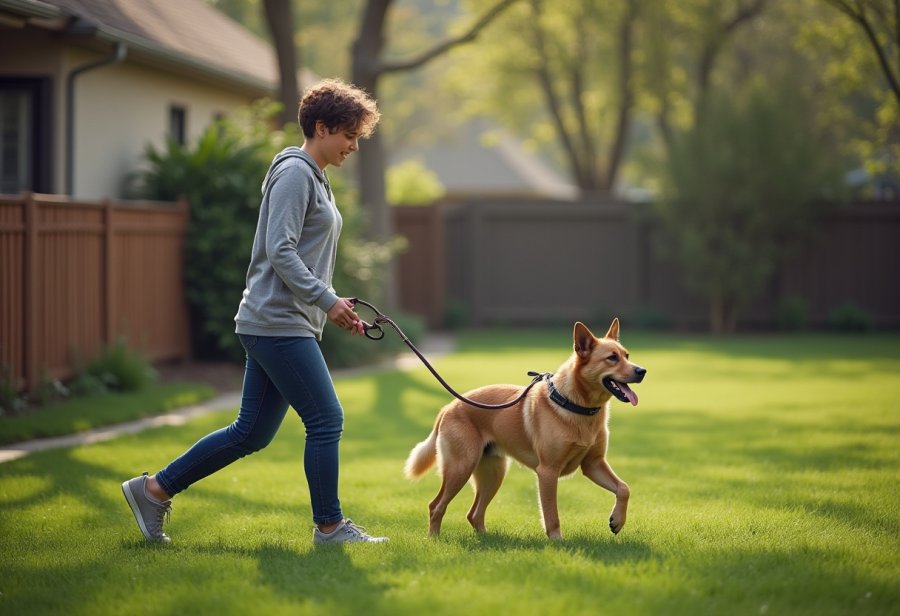
Mastering the art of walking calmly with your dog isn’t just about obedience—it’s about forging a deeper connection rooted in trust, patience, and mutual respect. Imagine transforming daily walks into peaceful, shared moments where your dog walks beside you without pulling or distraction, turning frustration into harmony. But how do you achieve this serenity amid the chaos of sights, sounds, and scents? Success hinges on understanding your dog’s instincts, using positive reinforcement, and employing the right training tools like harnesses and cues. Challenges such as pulling or anxiety are inevitable, yet with gentle guidance and gradual exposure, these hurdles can become stepping stones toward confident, calm behavior. Are you ready to unlock this peaceful bond and turn everyday outings into rewarding experiences? This journey is a testament to your commitment, promising not only better walks but a stronger, more trusting relationship with your canine companion.
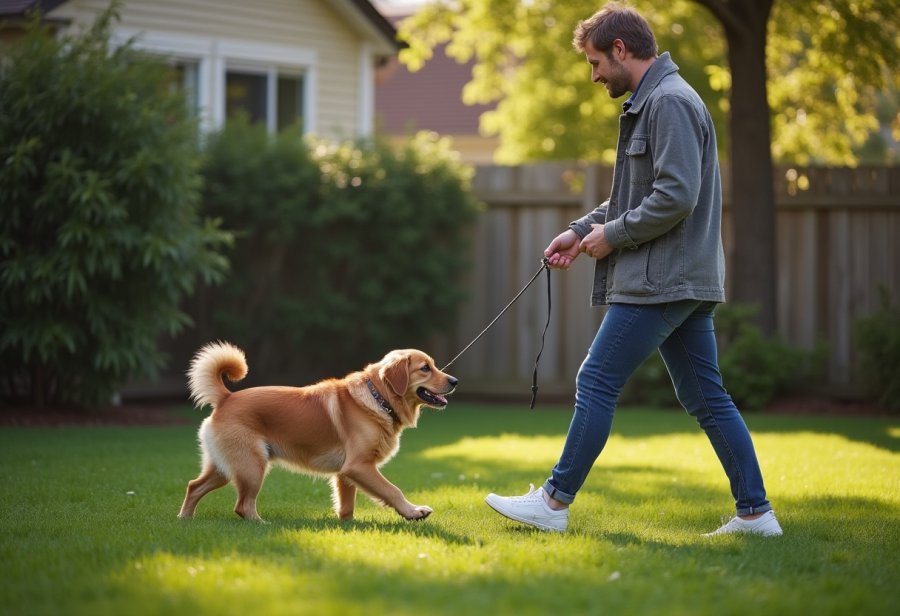
Mastering Calm Walks: Strengthen Your Bond Through Peaceful Leash Training
Walking calmly with your dog might seem straightforward, but it’s actually one of the most meaningful ways to strengthen your bond. When your dog walks beside you without pulling or getting distracted, it creates a peaceful rhythm that makes outings more enjoyable for both of you. This isn’t just about obedience—it’s about effective communication, patience, and mutual respect. Turning daily walks into moments of calm and connection can truly transform your relationship and make your time together more fulfilling.
Achieving this level of calmness starts with understanding what motivates your dog. Dogs are naturally curious creatures, easily distracted by sights, sounds, and scents. Recognizing these tendencies helps you respond appropriately, making training more effective. When your dog responds calmly to cues like “heel” or “focus,” it’s a sign that trust and understanding are building between you. These small successes lay the foundation for relaxed walks where both of you feel confident and safe.
This journey isn’t about harsh corrections or dominance; it’s about consistency, positive reinforcement, and patience. Approaching walks with a calm mindset and clear cues teaches your dog that staying focused and relaxed is rewarding. Over time, these routines become second nature, turning potentially stressful outings into shared moments of success and bonding. Remember, setbacks are normal; patience and persistence are key to progress.
Creating calm, connected walks is a gradual process that requires practice and understanding. The goal is to develop routines that foster trust and mutual respect. When both you and your dog approach walks with a relaxed attitude, it encourages calm behavior and deepens your bond. With time and effort, peaceful leash walking becomes a natural part of your daily life, enriching your relationship and making every outing a shared success.
Foundations of Success: Understanding Dog Behavior and Building Trust
Understanding your dog’s natural instincts and behaviors is key to effective leash training. Dogs are inherently curious and easily distracted by sights, sounds, and scents during walks. Recognizing these tendencies helps you anticipate moments when your dog might pull or become overstimulated, allowing you to respond calmly and appropriately. Body language cues such as tail wagging, ear positioning, or nervous pacing reveal whether your dog is excited, anxious, or overwhelmed. Picking up on these signals enables you to adjust your approach in real time and help your dog feel more secure.
Building a calm walking routine relies on establishing trust through consistent cues and positive reinforcement. Simple commands like “heel” or “focus,” paired with treats or praise, create strong associations that encourage calm behavior. When your dog responds appropriately, reward immediately to reinforce the connection between good conduct and positive outcomes. Outside of walks, bonding through gentle play and training enhances your relationship, making your dog more receptive during outings.
Training methods have shifted away from harsh corrections toward techniques rooted in kindness and understanding. Using force or dominance-based tactics can increase anxiety and resistance, undermining your training efforts. Today’s approach emphasizes clear communication and rewards, which foster trust and reduce stress. This foundation makes leash walking a cooperative activity rather than a struggle, transforming it into a shared experience of respect and connection.
Tools like front-clip harnesses or long lines can help manage distractions without causing discomfort. These aids give you better control and encourage proper walking posture, reducing pulling naturally. Consistent routines and daily practice help your dog learn what’s expected, gradually increasing their ability to stay calm in different environments. Patience and persistence are essential—training is about building habits that last, not quick fixes.
Your role as an owner is vital. Your routine, tone, and attitude influence how your dog perceives walks. Reading your dog’s body language and responding with calm reassurance strengthens your bond and sets the tone for peaceful outings. This understanding and trust form the core of successful leash training, making calm, connected walks a natural part of your daily life.
In-Depth Techniques for Peaceful Walks: Tools, Mindset, and Cues
Achieving calm, connected walks depends heavily on both your mindset and the tools you choose. Starting with the right equipment can make a significant difference in how smoothly your walks go. A front-clip harness, for example, redirects pulling pressure away from your dog’s neck and gives you better control, making outings more comfortable and less stressful. Treats are your most effective reinforcement tools—small, tasty rewards that motivate your dog to focus and stay calm. Incorporating a clicker can help you mark precise moments of good behavior, speeding up learning and consistency.
Your attitude matters just as much as your gear. Dogs are highly perceptive to your energy, so approaching walks with a calm, confident demeanor encourages your dog to mirror your mood. If you’re tense or impatient, they’ll sense it and may become more anxious or excitable. Instead, stay relaxed and speak in a gentle tone, even when they pull or get distracted. Reward calm responses with praise and treats in a soothing manner to reinforce the behavior you want.
Clear cues like “heel” or “focus” are essential for guiding your dog. Use them consistently and reward immediately when your dog responds correctly. Practice in different environments—starting at home or in quiet parks—and gradually introduce distractions. This helps your dog learn to stay focused and calm regardless of the surroundings. Remember, your energy sets the tone; a steady, patient owner creates a calm atmosphere that your dog will follow.
Leash handling techniques also play a crucial role. Keep the leash loose, avoiding tension that can trigger pulling. When your dog surges ahead, gently redirect their attention back to you with treats or cues. Harsh corrections can increase anxiety and resistance, so focus on steady guidance and positive reinforcement. Over time, this approach builds a calm, focused walk both of you can enjoy.
Patience and consistency are your greatest allies. Training isn’t about quick fixes but about fostering lasting habits. Practice regularly, celebrate small wins, and stay calm during setbacks—these are all steps toward success. As your dog learns that staying calm and focused leads to rewards, walks become more peaceful and bonding moments deepen.
Exposing your dog gradually to more stimulating environments helps generalize calm behavior. Start in quiet areas, then move to busier places as your dog gains confidence. This step-by-step process builds resilience and trust, making future outings smoother. Keep expectations realistic and acknowledge progress, no matter how small, to stay motivated.
Every walk is an opportunity to reinforce calmness and trust. By combining the right tools, a composed attitude, and consistent practice, you’re setting the stage for peaceful, joyful outings. Over time, these techniques will become second nature, transforming walks from stressful chores into shared moments of connection and mutual respect.
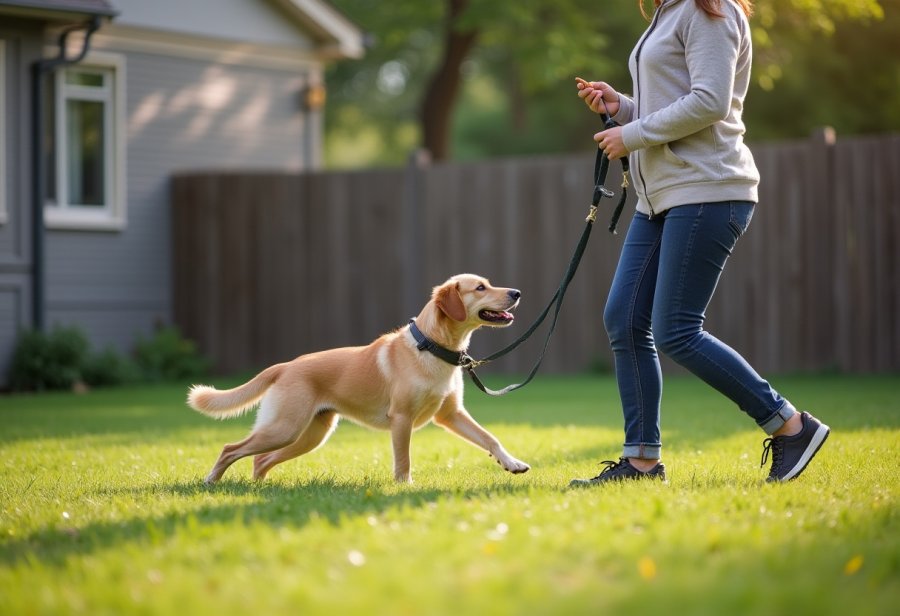
Reality in Action: Applying Calm Walking Strategies in the Real World
Putting your calm dog walking techniques into practice in real-world settings requires consistency and patience. Start in familiar, low-distraction environments like your backyard or quiet neighborhood streets. Focus on reinforcing basic commands such as “heel” or “focus,” rewarding your dog each time they walk beside you calmly. Keep training sessions short—around five to ten minutes—to maintain your dog’s interest and prevent overload. As your dog shows progress, gradually introduce mild distractions like passing cars or other dogs, always reinforcing calm behavior with treats and praise. This step-by-step approach helps your dog understand that staying relaxed and focused is always rewarded.
When venturing into busier areas like parks or busy sidewalks, your calm demeanor becomes even more critical. Dogs pick up on your energy, so staying relaxed and confident encourages them to mirror your attitude. Use a loose leash and gently redirect their attention if they pull or become distracted, rewarding focus with treats and praise. Avoid harsh corrections or jerking the leash; instead, maintain steady guidance and positive reinforcement. This helps your dog learn that calmness in stimulating environments is rewarding, building their confidence and resilience.
Expect setbacks—they’re part of the process. If your dog gets overly excited or distracted, pause briefly, then reset with a simple command like “sit” or “focus.” Reward calmness before moving forward. This reinforces that calm behavior gets positive outcomes and helps your dog develop patience and self-control. Remember, progress might be slow, but consistent practice in different environments will pay off over time.
Gradually increasing the complexity of environments helps your dog generalize calm behavior. Start in quiet spaces and slowly move to busier parks or streets, always rewarding relaxed responses. Keep expectations realistic and celebrate small victories, like a few seconds of focused walking in new surroundings. Over time, these experiences boost your dog’s confidence and deepen your bond, making future outings more enjoyable for both of you.
Every walk is an opportunity to build trust and reinforce your training. Use the right tools, stay patient, and maintain a calm attitude to turn each outing into a positive experience. With steady effort and mindful practice, calm, connected walks become second nature, transforming daily routines into meaningful moments of companionship and mutual respect.
Investing in Peace: The Costs and Value of Effective Dog Training
Training a dog to walk calmly on a leash involves some investment, but the benefits far outweigh the costs. Basic gear like a well-fitting harness or collar and quality treats are affordable tools that lay the groundwork for effective training. These items aren’t just about control—they make walks more comfortable for your dog and reduce frustration for you. Investing in good equipment, such as a front-clip harness, can significantly improve your ability to manage pulling and encourage proper gait, making the experience more enjoyable.
If you opt for professional help, group classes or private sessions might seem like an expense upfront, but they often accelerate progress and help you avoid costly setbacks. Trainers can provide tailored techniques and guidance, saving you time and frustration while ensuring you’re on the right track. This investment can lead to a more relaxed, well-behaved dog, which in turn makes every walk more pleasant and less stressful.
Consider also the ongoing costs of treats and replacement gear. Small, tasty rewards motivate your dog and reinforce calm walking habits. These supplies are a small but vital part of establishing routines that last a lifetime. Proper training isn’t a one-time expense; it’s an investment in a calmer, happier relationship with your pet.
While the initial costs might add up, they are relatively modest compared to the long-term benefits. A well-trained dog reduces behavioral issues, minimizes potential damage or injury, and deepens your bond. More peaceful outings mean fewer stress-related visits to the vet or trainer later, saving money and time.
Keep in mind that consistent use of quality tools and training methods pays dividends over time. The effort you put in now will result in a more confident, focused dog who enjoys walks just as much as you do. This shared calmness creates a foundation for a lifelong relationship rooted in trust and mutual respect.
In essence, investing in your dog’s training is an investment in your peace of mind. It transforms walks from a stressful chore into a delightful bonding experience. The small expenses involved are a worthwhile price for the joy of peaceful, connected outings that strengthen your relationship day after day.
Your Roadmap to Calm: Planning Consistent and Confident Walks
Creating a plan for consistent, calm dog walking begins with setting clear, achievable goals. Start by choosing familiar, low-stimulation environments like your backyard or a quiet neighborhood street. Focus on mastering basic commands such as “heel” or “focus,” rewarding your dog each time they walk beside you calmly. Keep training sessions short—around five to ten minutes—to maintain your dog’s interest and prevent fatigue. Building these habits gradually helps your dog gain confidence and understanding without feeling overwhelmed.
As your dog responds reliably, gradually introduce mild distractions like passing cars or other dogs. Reinforce calm behavior with treats and praise, maintaining a steady, relaxed tone. This step-by-step approach teaches your dog that staying focused and relaxed is always rewarded, helping them learn patience and resilience. Track your progress to identify what works best and where adjustments are needed. Celebrating small victories, like a few seconds of focused walking in a new environment, keeps motivation high.
Consistency is key. Practice daily, even for just a few minutes, to reinforce good habits and prevent regression. Use a calm, confident attitude—dogs mirror your energy—so staying relaxed encourages your dog to stay relaxed too. If setbacks happen, pause, reset with a simple command, and try again. This steady, persistent effort transforms small steps into lasting habits and builds trust.
Choose environments thoughtfully. Start in quiet areas and gradually move to busier locations as your dog’s confidence grows. This gradual exposure helps generalize calm behavior across different settings, making future outings smoother. Keep expectations realistic and focus on progress rather than perfection. Over time, calm leash walking becomes second nature, deepening your bond and making daily walks more enjoyable for both of you.
Overcoming Hurdles: Addressing Challenges on the Path to Calm Leash Walking
Training a dog to walk calmly on a leash naturally presents some hurdles, but recognizing and addressing these challenges early can make all the difference. Pulling is perhaps the most common issue, especially when your dog gets excited or distracted by scents or sights. Using a front-clip harness can help redirect their energy and give you better control, but consistent redirection with treats or cues is essential. Reinforcing calm behavior whenever they start to surge forward helps teach them that staying by your side is more rewarding than pulling ahead.
Distractions pose another obstacle. Dogs are naturally curious and easily sidetracked by other animals, people, or wildlife. To manage this, start training in quiet spaces and gradually introduce busier environments. Reward your dog for maintaining focus amid these stimuli. Patience is key, as progress may be slow at first, but steady reinforcement builds resilience and confidence. When your dog becomes overly excited or overwhelmed, pause, reset with a simple command, and reward calmness before proceeding. This approach helps them associate calm behavior with positive outcomes.
Anxiety or nervousness can also interfere with peaceful walks. Some dogs feel overwhelmed in unfamiliar or crowded settings, leading to freezing, lunging, or panic. If your dog shows signs of stress, slow down training, and focus on building their confidence gradually through positive reinforcement and gentle exposure. Avoid harsh corrections, which can increase fear and resistance. Instead, create a safe, reassuring environment that fosters trust, helping your dog see walks as enjoyable rather than frightening.
Setbacks happen, and that’s normal. The key is to stay patient and avoid frustration. Redirect your dog calmly, reinforce their good behavior immediately, and keep training sessions short and positive. Consistency and a calm attitude will gradually turn these challenges into opportunities for growth. Consider seeking professional help if persistent issues arise. A trainer can offer tailored strategies and demonstrate proper handling, speeding up progress and reducing stress.
With awareness and persistence, you can navigate these common challenges effectively. Every obstacle overcome strengthens your bond and deepens your understanding of your dog. Remember, patience, gentle guidance, and consistent reinforcement are your best tools. Over time, these efforts will create a calm, confident dog who enjoys peaceful walks—making every outing a shared success and a testament to your dedication.
About the Author