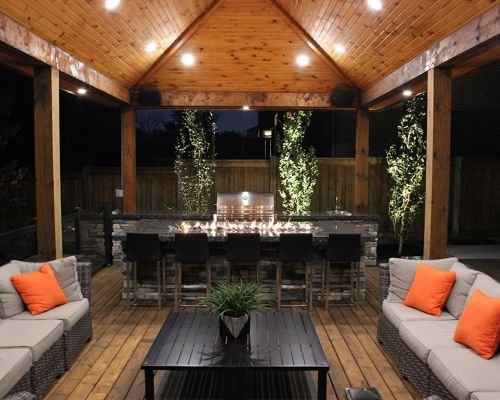
Imagine transforming Toronto yards into lush, eco-friendly retreats that blend beauty with sustainability—sounds ideal, but how can homeowners truly achieve this balance? This guide reveals that thoughtful design, native plants, and eco-conscious materials are central to creating resilient landscapes that thrive through Toronto’s seasonal extremes. It explores the innovative use of permeable pavers, rain gardens, and water-saving systems that reduce environmental impact while elevating curb appeal. But beyond aesthetics, these landscapes support local biodiversity and foster mental well-being. The journey involves collaboration between homeowners and experts, emphasizing ongoing care and adaptation. Are your outdoor spaces living up to their potential as urban sanctuaries? By embracing sustainable principles and modern technology, Toronto residents can craft personalized retreats that are both breathtaking and environmentally responsible—proof that a beautiful, sustainable yard is within reach, and perhaps, just the beginning of a greener city.
Transform Your Outdoor Space with Toronto Landscape & Design
Looking to elevate your Toronto backyard? Toronto Landscape & Design (TLD) specializes in creating stunning outdoor environments through expert services like natural stone installations, water gardens, irrigation systems, and retaining walls. Our award-winning designers take everything into consideration to craft personalized, functional, and beautiful landscapes that suit your lifestyle and property. Whether you’re dreaming of a tranquil water feature or a durable retaining wall, TLD ensures quality craftsmanship and innovative design. For a seamless backyard makeover, contact us today at [email protected] or call 1.416.644.0499 to start transforming your outdoor space into a luxurious retreat.
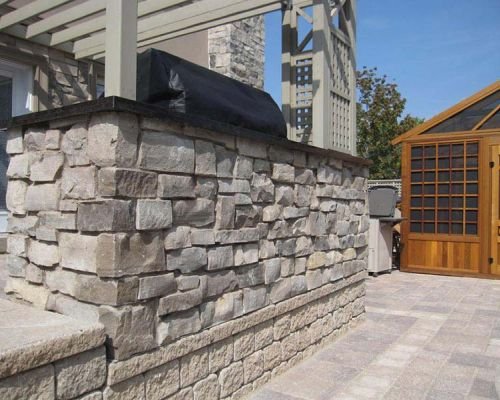
Transform Toronto Yards into Sustainable Urban Sanctuaries
Transforming Toronto yards into beautiful, sustainable outdoor retreats has become a key goal for many homeowners and landscape professionals alike. In a city renowned for its vibrant urban environment and diverse climate, creating outdoor spaces that are both visually appealing and environmentally responsible offers a meaningful way to enhance quality of life. These retreats provide residents with a peaceful escape from the city’s hustle—an inviting spot to relax, entertain, or connect with nature right outside their door. The challenge lies in balancing aesthetic beauty with environmental sustainability, ensuring these spaces are resilient, functional, and inspiring over time.
Achieving this balance requires thoughtful planning and innovative design. It’s about selecting the right plants, materials, and features that complement each other while respecting Toronto’s unique ecosystem. Native plants are a cornerstone of sustainable landscaping because they thrive naturally in the local climate, requiring less water, fertilizers, and pesticides. Incorporating eco-friendly materials like permeable paving or recycled elements further reduces environmental impact, making outdoor retreats durable, low-maintenance, and environmentally sound. These choices not only boost curb appeal but also support ecological health.
The significance of these projects extends beyond beauty and sustainability. Well-designed outdoor spaces can improve mental well-being, encourage outdoor activity, and foster a stronger connection to nature. For residents with limited yard space and busy schedules, a carefully curated retreat becomes a personal sanctuary—an extension of their home that nurtures both body and mind. When designed with purpose, these landscapes support local biodiversity and help manage urban stormwater, contributing positively to the city’s ecological resilience.
Designing these retreats isn’t just about plants and trendy features; it’s about understanding Toronto’s specific climate—its cold winters, hot summers, and unpredictable weather—and creating landscapes that can adapt and thrive through all seasons. Choosing native plants, resilient materials, and water-saving systems ensures the landscape remains vibrant and functional year-round. The result is a space that remains beautiful, practical, and environmentally responsible, no matter the weather.
This movement toward sustainable outdoor retreats reflects a broader shift in how we view our environment. Increasingly, homeowners see their yards as opportunities for eco-friendly living—installing rainwater harvesting systems, native plant gardens, and energy-efficient lighting. These efforts align personal aesthetics with ecological responsibility, allowing residents to enjoy stunning yards that also reduce their environmental footprint. It’s a win for both homeowners and Toronto’s overall ecological health.
Creating these outdoor spaces isn’t a one-time task but an ongoing process of care and refinement. From initial design concepts to regular maintenance, every step should prioritize durability, functionality, and beauty. Features like fire pits, outdoor lighting, and water elements can elevate a yard into a personal oasis, seamlessly integrating sustainability into everyday living. When approached with care, these landscapes become lasting environments where beauty and responsibility go hand in hand, transforming Toronto yards into inspiring urban sanctuaries.
Core Principles for Eco-Friendly Landscape Design
Creating environmentally responsible outdoor spaces begins with understanding and applying a few core design principles that promote both sustainability and beauty. Native plants are fundamental to this approach—they’re naturally adapted to Toronto’s climate, which means they require less water, fertilizers, and pesticides. By choosing native species, you not only support local biodiversity but also reduce ongoing maintenance costs, making your landscape more resilient over time. Incorporating these plants creates a foundation for a low-impact, eco-friendly yard that thrives with minimal intervention.
Eco-friendly materials play a critical role in sustainable landscaping. Permeable pavers, reclaimed stone, and sustainably sourced wood help minimize environmental footprints by allowing rainwater to seep into the ground instead of running off. These materials support natural water management, reduce erosion, and protect local waterways. When integrated thoughtfully, they create a landscape that is both durable and visually appealing, supporting ecological health without sacrificing style. This combination of smart material choices and native planting forms the backbone of responsible outdoor design.
Water conservation is another vital element. Installing smart irrigation systems—equipped with moisture sensors—ensures that plants receive only the water they need, cutting waste and lowering utility bills. Rainwater harvesting systems can further reduce reliance on municipal water, turning your yard into a self-sufficient oasis. These features work together seamlessly, helping maintain lush, vibrant landscapes even during dry spells, while also promoting responsible resource use. Adopting water-efficient practices is essential for creating a landscape that is both beautiful and sustainable.
Designing for ecological harmony involves creating habitats that attract and support local wildlife. Native shrubs, flowering plants, and small water features draw beneficial insects, birds, and pollinators, enriching your outdoor experience and supporting the broader ecosystem. Thoughtful spatial planning helps organize zones for lounging, gardening, and entertainment, creating a cohesive, functional retreat. Focal points like native trees or water features add visual interest, making the landscape inviting and engaging while reinforcing ecological balance.
Durability and material longevity are key to ensuring ongoing sustainability. Using recycled or locally sourced materials—such as permeable pavers, reclaimed stone, and FSC-certified wood—not only supports environmental goals but also ensures your landscape ages gracefully. These choices reduce the need for frequent replacements and stand up well to Toronto’s seasonal extremes. When combined with native plants and water-saving systems, they form a landscape that’s resilient, low-maintenance, and built to last, providing lasting beauty and ecological benefits for years to come.
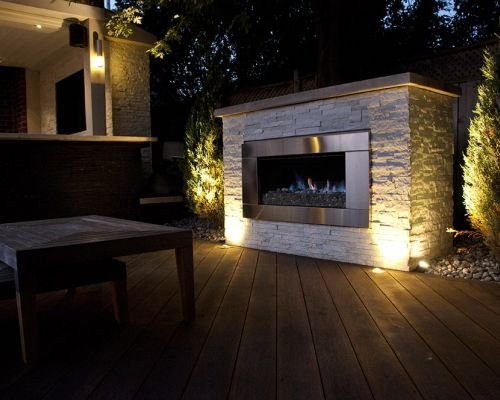
Bringing Sustainable Landscaping to Life in Toronto
In practice, bringing sustainable landscape principles to life in Toronto yards begins with a thorough site assessment. Landscapers analyze soil conditions, sunlight exposure, and existing features to craft a tailored plan that leverages native plants and eco-friendly materials. For instance, rain gardens are a common solution, designed to absorb stormwater runoff while enhancing the natural beauty of the space. These features not only support responsible water management but also create habitats that attract local birds, insects, and pollinators, enriching the yard’s ecological value.
Design elements are carefully integrated to reflect both functionality and aesthetic appeal. A typical project might include a native shrub border, a permeable patio, and a water feature made from reclaimed materials. These choices support environmental goals, such as reducing runoff and lowering water use, while also serving as focal points that elevate the overall design. The key is seamless harmony—balancing visual interest with ecological benefit—so the landscape feels inviting and sustainable at the same time.
Collaboration with clients is central to successful implementation. Homeowners’ preferences are translated into eco-conscious choices, like selecting drought-tolerant plants for low-maintenance beauty or installing smart irrigation systems that adjust watering based on real-time soil moisture. Clear communication ensures every feature aligns with their lifestyle, making the landscape not just environmentally responsible but also a true extension of their personal style. This collaborative approach fosters a sense of ownership and satisfaction that lasts beyond the initial installation.
Throughout the project, attention is given to durable materials and resilient plantings suited to Toronto’s seasonal extremes. Reclaimed stone, permeable pavers, and FSC-certified wood are used to create pathways, seating areas, and accents that age gracefully. Native plants are chosen for their adaptability, helping the landscape thrive with minimal intervention. Regular maintenance—pruning, system checks, and seasonal cleanups—keeps the yard vibrant and functional, ensuring it continues to support both beauty and ecological health over time.
These real-world applications demonstrate that sustainable landscaping in Toronto isn’t just a concept—it’s a practical, achievable goal. Thoughtful site assessment, strategic plantings, eco-friendly materials, and innovative features work together to produce outdoor retreats that are both stunning and resilient. With ongoing care and a focus on responsible design, these yards become lasting sanctuaries where beauty and sustainability coexist, inspiring homeowners and setting a standard for eco-conscious urban landscaping.
Expert Strategies for Resilient, Beautiful Outdoor Spaces
Experienced landscape designers in Toronto emphasize that understanding each site’s unique conditions is the foundation of successful, sustainable outdoor projects. Knowing the local climate, soil type, and existing features allows for tailored plant selections and material choices that will thrive long-term, reducing the need for ongoing interventions. Native plants are a top recommendation—they’re naturally adapted to Toronto’s cold winters and hot summers, requiring less water, fertilizers, and pesticides. This focus not only conserves resources but also supports local biodiversity, making the landscape more resilient and ecologically beneficial.
Clear communication with clients is essential. Professionals stress listening carefully to homeowners’ preferences and lifestyle needs, then translating those insights into eco-friendly, functional designs. Educating clients about sustainable options—such as native plants, recycled materials, and water-efficient systems—fosters understanding and enthusiasm. When clients see their personal style reflected through environmentally responsible choices, satisfaction increases, and the project feels truly customized.
Incorporating modern, eco-conscious technology can significantly enhance sustainability while maintaining visual appeal. Smart irrigation systems with moisture sensors ensure plants receive only what they need, cutting waste and lowering utility bills. Rainwater harvesting systems add another layer of efficiency, making landscapes more self-sufficient. These tools not only simplify maintenance but also demonstrate that environmentally friendly features can be both practical and sophisticated.
Material selection plays a vital role in resilience. Recycled, locally sourced, and sustainably produced materials—such as permeable pavers, reclaimed stone, and FSC-certified wood—support long-term durability. These choices age gracefully, stand up to Toronto’s seasonal extremes, and often have a lower carbon footprint. When paired with native plants and water-saving systems, they form landscapes that are visually stunning, low-maintenance, and built to last.
Ongoing care and adaptability are key to preserving these landscapes’ vitality. Regular pruning, system inspections, and seasonal clean-ups help maintain ecological and aesthetic benefits. Educating homeowners on seasonal maintenance ensures that the landscape continues to thrive, supporting both biodiversity and visual appeal over the years. This proactive approach turns a one-time installation into a lasting, evolving outdoor sanctuary.
Staying updated on emerging technologies, native plant varieties, and innovative materials is crucial. This continuous learning allows designers and homeowners alike to refine their approach, making each project more sustainable and innovative. The strongest landscapes are those blending creativity with responsibility, transforming outdoor spaces into resilient, beautiful retreats that support Toronto’s ecological health.
Designing sustainable outdoor spaces is a partnership. When homeowners and professionals collaborate openly—sharing ideas, expectations, and knowledge—they create environments that are both personal and eco-conscious. Clear communication and mutual understanding ensure that each landscape not only looks great but also functions efficiently and responsibly. These collaborations foster trust and satisfaction, setting a standard for responsible urban landscaping that can inspire others in the community.
Next Steps to Create Eco-Conscious Toronto Yards
Transforming Toronto yards into beautiful, sustainable outdoor retreats isn’t just a dream—it’s a practical step toward a healthier, greener city. By choosing native plants, eco-friendly materials, and water-saving technologies, homeowners can craft resilient landscapes that stand up to Toronto’s seasonal extremes while reducing their environmental footprint. These efforts create more than just eye-catching spaces; they foster a sense of connection to nature and promote ecological well-being.
Looking ahead, embracing innovative solutions like rain gardens, smart irrigation, and modular design components will help landscapes adapt to changing climates and urban challenges. Every small action—whether planting native species or installing recycled materials—contributes to building a more sustainable Toronto, one yard at a time. These improvements not only boost curb appeal but also support local ecosystems, turning outdoor spaces into acts of environmental stewardship.
Maintaining these landscapes requires ongoing attention. Regular pruning, system checks, and seasonal cleanups keep the environment vibrant and functioning smoothly. Educating homeowners on proper care ensures that ecological benefits persist, transforming a one-time project into a long-lasting sanctuary. Staying informed about new trends and technology will help keep landscapes resilient, beautiful, and aligned with both aesthetic and ecological goals.
Collaboration between homeowners and landscape professionals remains essential. Open communication about expectations, priorities, and sustainable practices ensures that each outdoor retreat reflects personal style while supporting environmental health. When design and installation are approached as a partnership, the result is a space that’s both inspiring and responsible, fostering pride and peace of mind.
Every yard holds the potential to serve as a beacon of sustainable design. Small, deliberate choices today—such as selecting native plants or installing water-efficient systems—set the foundation for a healthier future. These actions support not only individual well-being but also contribute to Toronto’s broader ecological resilience, making each outdoor space a meaningful step toward a greener city.
Transforming outdoor spaces is an ongoing journey that benefits from continuous learning, innovation, and collaboration. By staying committed to responsible practices, homeowners and professionals can create retreats that are both stunning and sustainable. These landscapes become more than just beautiful yards—they become vital parts of Toronto’s environmental future, inspiring others to follow suit and shaping a city that values both aesthetics and ecological health.
About the Author