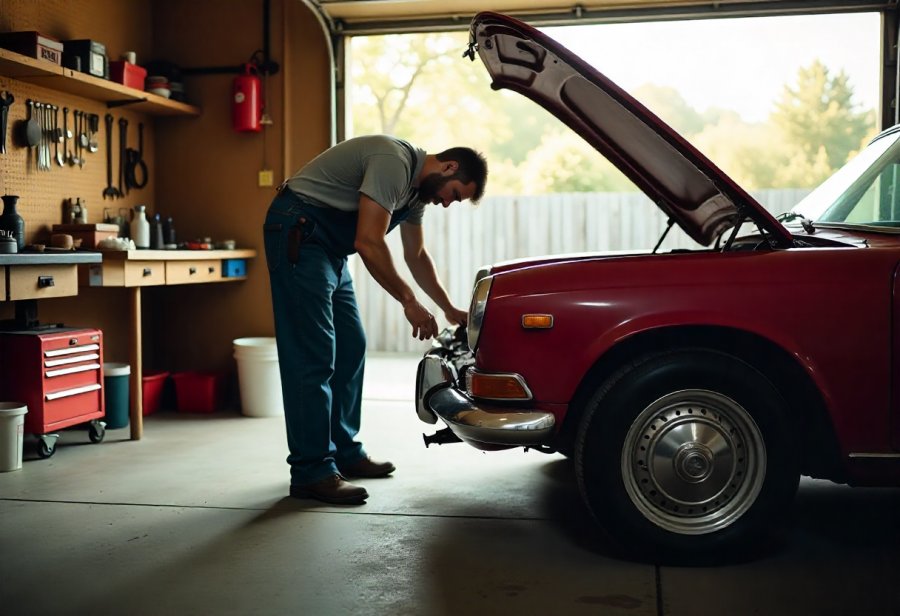
Step into the world of the backyard mechanic—a sanctuary where passion, patience, and craftsmanship collide in a symphony of grease, tools, and memory. This space is more than a workshop; it’s a vessel of history, community, and personal legacy, where restoring vintage machines becomes an act of love and resilience. Behind every bolt and paint stroke lies secret techniques and improvisations that elevate routine repairs into artful expressions of ingenuity. These projects are fueled by heartfelt stories—reconnecting with family roots, overcoming setbacks, and celebrating triumphs—transforming rusted relics into gleaming symbols of perseverance. Looking ahead, the movement blends timeless skills with cutting-edge innovations like electric conversions and 3D printing, expanding accessibility and sustainability. Could these evolving practices preserve the soul of restoration while embracing the future? With shared knowledge and unwavering dedication, the backyard mechanic’s sanctuary promises to keep the spirit of revival alive for generations to come.
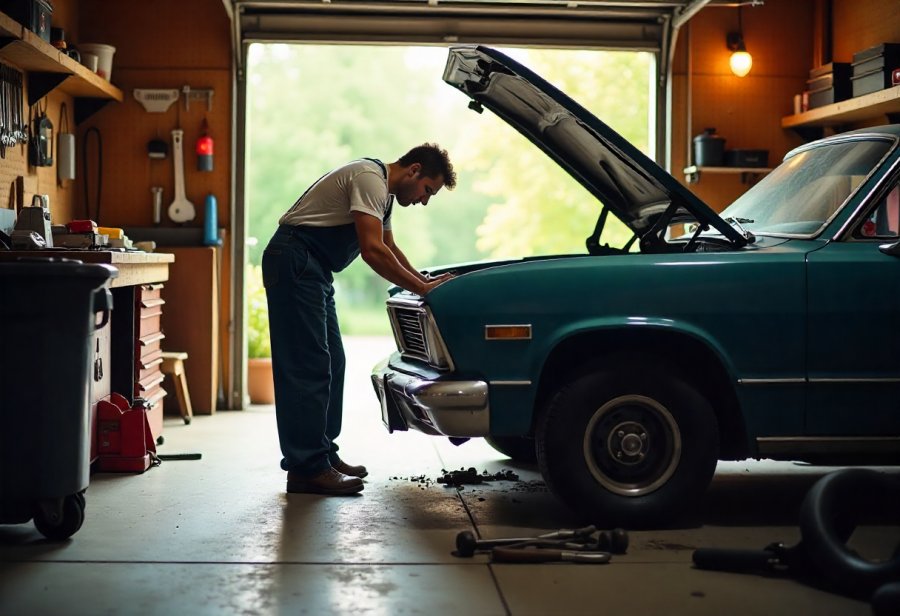
The Backyard Mechanic’s Garage: A Sanctuary of Passion and Craftsmanship
In many neighborhoods, the backyard mechanic’s garage isn’t just a place to fix cars—it’s a personal sanctuary where passion for machines comes alive. It’s a space that goes beyond shelves of tools and scattered parts; it’s a haven built on craftsmanship, patience, and the pure joy of restoring vintage vehicles. Inside, the air often carries the scent of oil and grease, mingling with the quiet hum of engines and the clatter of tools, creating an environment that feels both familiar and inspiring.
This garage is more than a workshop; it’s a retreat from the hustle of daily life. It’s where focus sharpens, ideas unfold, and skills are honed through hands-on work. Every bolt tightened and engine tuned becomes a form of self-expression—an act of bringing something neglected back to life. Enthusiasts see their garages as personal studios of artistry, where tradition and innovation blend seamlessly. Vintage parts, handcrafted bodywork, and restored interiors reflect a deep appreciation for automotive history and craftsmanship.
The space also fosters a sense of community, even if it’s tucked away behind fences. Sharing stories of projects, swapping tips, or passing tools creates bonds rooted in shared love and dedication. These moments turn the garage into a gathering place for enthusiasts of all levels, a place where mentorship and pride flourish. It’s a sanctuary for learning and growth, where each project becomes part of a larger story of passion and perseverance.
Beyond the technical aspects, the emotional significance of the garage often goes unnoticed. For many, it’s a space filled with memories—of a first car, a family member’s influence, or childhood dreams. Restoring vintage machines isn’t just about the vehicle; it’s a way to reconnect with history, preserve stories, and pass down skills to the next generation. These projects demand patience and dedication, but the reward lies in creating a tangible link to personal and cultural heritage.
What makes these garages truly special is the love for craftsmanship cultivated over years. Hobbyists develop their own techniques, blending traditional methods with modern tools—like 3D printing or electric conversions—to breathe new life into old machines. The garage becomes a space of constant discovery, where secret techniques, improvised tools, and creative workflows turn routine repairs into acts of artistry. It’s a sanctuary of revival, patience, and innovation, dedicated to honoring the past while embracing the future.
Historical Roots and Cultural Significance of Home Garages
The tradition of backyard restoration and home garages runs deep, rooted in a time when cars symbolized independence and personal achievement. Before mass production made vehicles accessible to many, owners often took pride in maintaining and repairing their own machines. These early garages transformed into personal workshops filled with tools, parts, and stories—places where craftsmanship was passed down and innovations were born. Over generations, they evolved from simple workbenches into sanctuaries of skill and ingenuity.
Beyond just being repair stations, these garages became symbols of self-reliance. Restoring vintage cars was more than a hobby; it was a way to connect with history and celebrate engineering marvels. Communities rallied around these spaces, sharing techniques, swapping parts, and organizing local events. These gatherings fostered a sense of pride and camaraderie, reinforcing that restoration was a collective effort rooted in tradition.
Many personal stories highlight the emotional significance of these spaces. Restoring a classic vehicle often becomes a tribute—whether to a family member, a childhood memory, or local history. One enthusiast might recall rebuilding a father’s first car, turning a project into a legacy. For others, these garages serve as museums of memories, where every restored piece carries a story that enriches the craft with personal meaning. This emotional connection elevates the act of restoration beyond mere mechanics.
The process itself is a delicate blend of art and science. Enthusiasts source original parts or craft replacements, taking care to honor authentic design while updating for reliability. Techniques like rust removal, panel straightening, and precision painting are executed with patience and skill. The balance between preserving the vehicle’s character and ensuring its functionality keeps the craft both challenging and rewarding.
This cultural importance is reinforced by a shared sense of craftsmanship. Hobbyists develop unique techniques, often relying on vintage tools or homemade solutions, transforming routine repairs into acts of artistry. Small improvisations—like custom jigs or repurposed parts—highlight the ingenuity that defines backyard restoration. These secret techniques foster a personal touch that separates a good restoration from a truly exceptional one.
The garage’s role as a vessel of memory and community continues to thrive today. Online forums, social media groups, and local clubs keep the tradition alive, connecting enthusiasts worldwide. Modern innovations like 3D printing and electric conversions blend seamlessly with time-honored methods, keeping the craft evolving without losing its roots. This ongoing dialogue ensures the movement remains vibrant and relevant.
Ultimately, these garages are more than workspaces—they are cultural touchstones. They tell stories of independence, resilience, and passion for craftsmanship. Restoring a vintage machine becomes a personal act of preservation, connecting past and present. As this tradition persists, it carries forward a legacy of ingenuity, community, and love for machines that enriches our shared cultural fabric.
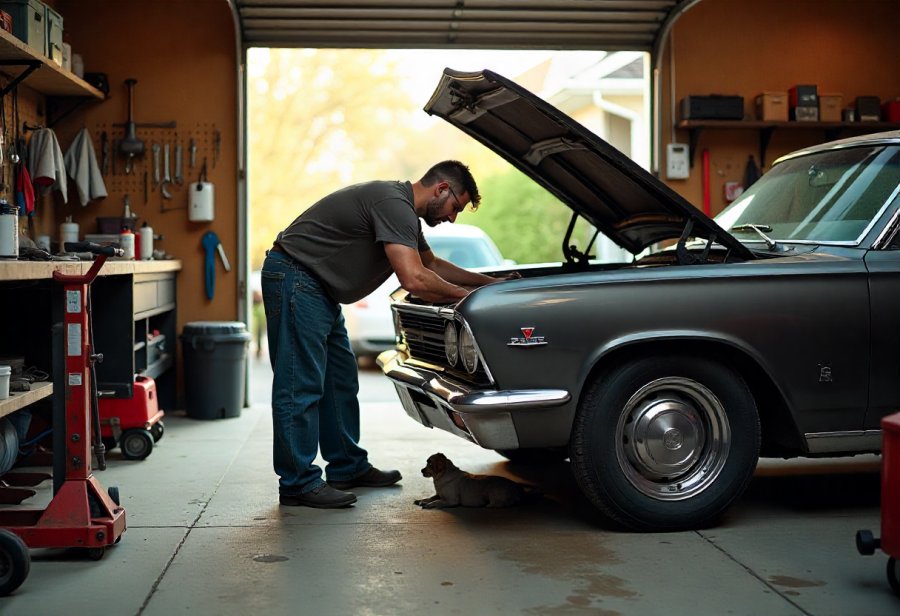
Unveiling Hidden Techniques and Philosophies of Restoration
Behind every successful backyard restoration lies a treasure trove of hidden techniques and philosophies that give these projects their distinctive character. Experienced hobbyists develop a sharp eye for detail, knowing exactly when to use a wire wheel or a chemical rust remover to preserve authenticity. Many craft custom tools—some vintage, others handmade—that have been honed through years of trial, error, and ingenuity. These specialized implements often make the difference between a good repair and a true masterpiece. But the secret isn’t just in the tools; it’s in how they’re wielded—with patience, precision, and a deep understanding of each material.
Restoration is as much about finesse as it is about technical skill. For example, removing rust isn’t just about blasting away corrosion—it’s about choosing the right method to protect the original metal and maintain structural integrity. Some hobbyists prefer chemical converters that transform rust into a stable, paintable surface, while others use fine-grit sanding for a more delicate touch. The art is knowing which technique to apply and when to switch methods, ensuring the final result honors the vehicle’s original character. Every decision, from selecting paint to fitting a replacement part, reflects a philosophy rooted in respect for craftsmanship and authenticity.
The process involves a delicate dance between preservation and innovation. Seasoned restorers source original parts whenever possible, but they’re also skilled at crafting solutions—hand-fabricating brackets, welding custom patches, or repurposing everyday objects into functional tools. Improvisation is a core element; a bent coat hanger might become a trim remover, or a homemade jig could ensure perfect alignment. These small, creative hacks often save time, reduce costs, and give projects a personal touch that can’t be bought. It’s this blend of resourcefulness and craftsmanship that elevates backyard restoration from routine to art.
Attention to detail transforms a rusty relic into a shining example of skill. Sanding, priming, and painting are executed with care, respecting the vehicle’s original contours and character. Fitting restored parts often involves hand-finished adjustments—fine-tuning welds, polishing surfaces, or custom-fabricating small pieces—that require patience and a steady hand. Every bolt tightened and every surface polished embodies a commitment to quality and authenticity. These meticulous steps are what turn a mere repair into a true work of art, revealing the passion and dedication that underpin every project.
At its core, the secret behind backyard restoration is a mindset rooted in curiosity, patience, and love for the craft. It’s about continuously learning, experimenting, and accepting setbacks as part of the journey. Many hobbyists develop their own signature techniques, blending traditional skills with emerging technologies like 3D printing or electric conversions. This ongoing experimentation keeps the craft vibrant, allowing each project to be a personal statement as well as a link to a larger tradition of ingenuity. It’s this philosophy—of loving the process as much as the final product—that makes backyard restoration a truly unique and enduring pursuit.
Stories of Love, Dedication, and Personal Triumph in the Garage
Many backyard mechanics have stories that bring their restoration efforts to life far beyond the technical details. One enthusiast recalls spending months rebuilding a vintage motorcycle, often working late into the night after a full day’s job. What kept him going was a childhood memory of riding with his grandfather, a story that fueled his patience and dedication. For him, every part he cleaned or replaced became more than simple repair—it was a way to reconnect with family history and keep a treasured memory alive.
Another mechanic shares how restoring an old, neglected car turned into a family project. His children learned patience and craftsmanship as they helped sand panels or paint small parts. These shared moments transformed into bonding experiences, with technical work becoming a way to pass down skills and stories. The garage isn’t just a place to fix machines; it’s where family traditions grow and memories are stitched into each project.
Many stories reveal perseverance. One hobbyist describes finding a rusted-out engine in a scrapyard and meticulously rebuilding it piece by piece. Months later, that engine roared back to life, becoming a symbol of his persistence. Hearing that machine run again wasn’t just about mechanics—it was a testament to the patience and love poured into every step of the process.
The thrill of revival often comes from watching a neglected frame transform into a shining vehicle. Weeks or months of work can feel like a lifetime, but the pride that follows makes it all worthwhile. These projects are more than restorations; they’re personal victories, proof that dedication turns rust into revival. The joy of hearing a machine run smoothly after so much effort fuels a deep emotional connection to the craft.
Many enthusiasts speak of their engines almost as living partners. Hours spent troubleshooting, tuning, and rebuilding deepen this bond, turning technical challenges into heartfelt achievements. When the engine finally purrs after a long journey, it’s more than a mechanical feat—it’s a reunion of effort and love, a moment of pure pride.
Behind every story is an understanding that restoring vintage machines is as much about mindset as skill. Beginners start small, learn from others, and embrace setbacks as part of the journey. Each project becomes a story of growth, patience, and passion. These real-world experiences remind us that the garage isn’t just a workshop—it’s a space where love for machines and the stories they carry come alive, forging bonds that last far beyond the last bolt tightened.
Envisioning the Future of Backyard Restoration: Innovation Meets Tradition
The future of the backyard restoration movement is brighter and more innovative than ever. Driven by a blend of deep-rooted tradition and cutting-edge technology, hobbyists are exploring new ways to breathe life into vintage machines. Electric conversions are gaining popularity, allowing enthusiasts to transform classic vehicles into eco-friendly rides without sacrificing their timeless charm. This shift not only appeals to those seeking greener options but also makes maintenance simpler and more accessible for daily use.
Meanwhile, advancements in tools like 3D printing and CNC machining are revolutionizing how parts are created. For those who once struggled to find original components, now custom fabrication is easier and more precise. This opens up exciting possibilities for restorations that were previously limited by the scarcity of parts, encouraging more experimentation and creativity in the garage. These innovations lower barriers and invite a new wave of hobbyists to join the craft.
Online communities and social media platforms continue to expand the movement’s reach, connecting enthusiasts worldwide. Forums, YouTube channels, and social groups serve as vital hubs where ideas are exchanged, techniques shared, and support offered. This digital connectivity accelerates learning and inspires innovation, blending traditional craftsmanship with modern trends. It ensures that the passion for restoration is not confined by geography but thrives on shared knowledge and collective enthusiasm.
Sustainability is becoming a central focus for many restorers. Recycling parts, using eco-friendly paints, and adopting energy-efficient upgrades reflect a growing awareness of environmental impact. Local clubs and workshops are making restoration more inclusive, creating spaces where people from diverse backgrounds can learn, contribute, and grow. This shift reinforces the idea that vintage revival is compatible with responsible practices, ensuring the movement’s relevance for future generations.
Education and community-building play a vital role in shaping the next chapter. Schools, youth groups, and family-oriented events leverage restoration projects to teach valuable skills, foster creativity, and pass down a love for craftsmanship. Young enthusiasts are experimenting with hybrid projects—integrating traditional techniques with emerging technologies—to create personalized, innovative machines. This fosters a sense of ownership and excitement, ensuring that the passion persists.
The ongoing evolution of tools and techniques keeps the movement dynamic. Hobbyists now blend old-school skills with modern innovations, continuously pushing the boundaries of what’s possible. Each project becomes a personal statement, a testament to ingenuity and love for the craft. The focus remains on patience, experimentation, and a genuine respect for history—values that keep the spirit of backyard restoration alive and thriving.
As the movement evolves, it remains rooted in core principles: resilience, creativity, and community. The stories of revival, craftsmanship, and shared passion continue to inspire newcomers and veterans alike. By embracing progress while honoring tradition, backyard restorers are shaping a future where vintage machines are not just preserved but reimagined. This ongoing journey of innovation and love ensures that the magic of machine revival endures, inspiring generations to come.
About the Author