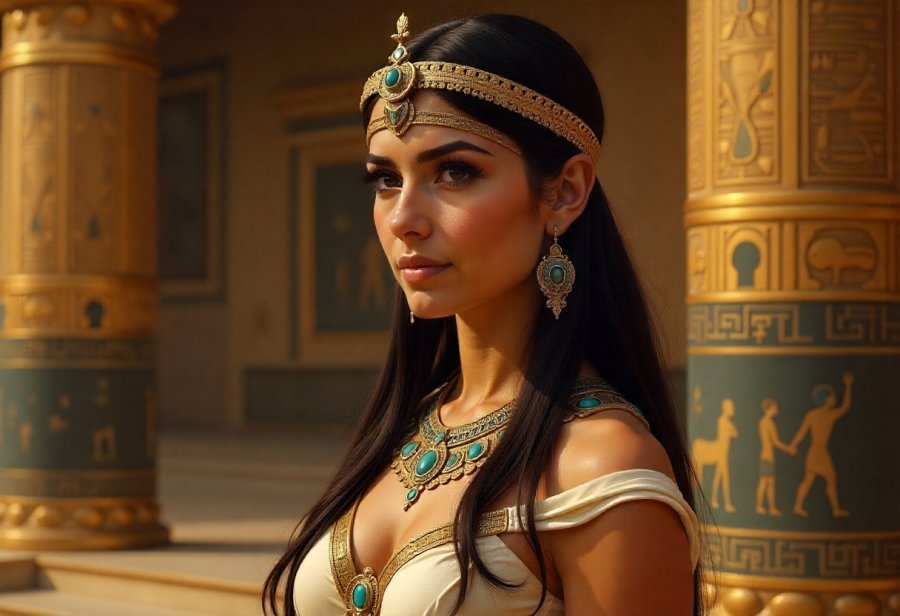
Is Cleopatra VII truly the seductress of legend, or was she a brilliant strategist shaping history through intellect and diplomacy? Far from Hollywood’s glamourized portrayals, her legacy reveals a ruler whose power stemmed from linguistic mastery, cultural patronage, and political acumen. Fluent in Egyptian, Greek, and Latin, Cleopatra engaged directly with allies and rivals, turning negotiations into powerful tools of influence. Her alliances with Julius Caesar and Mark Antony were calculated moves to preserve Egypt’s sovereignty amid a turbulent geopolitical landscape, not mere romantic entanglements. Supporting Alexandria’s renowned library and scholarly community, she positioned herself as a patron of knowledge and innovation, elevating Egypt’s cultural stature. Her resilience and adaptability in navigating external threats demonstrate that true leadership derives from wisdom, strategic vision, and cultural sophistication. This deeper understanding challenges stereotypes, revealing a ruler whose enduring impact was rooted in the strength of her mind—an inspiring reminder that influence and power come from intelligence as much as tradition.
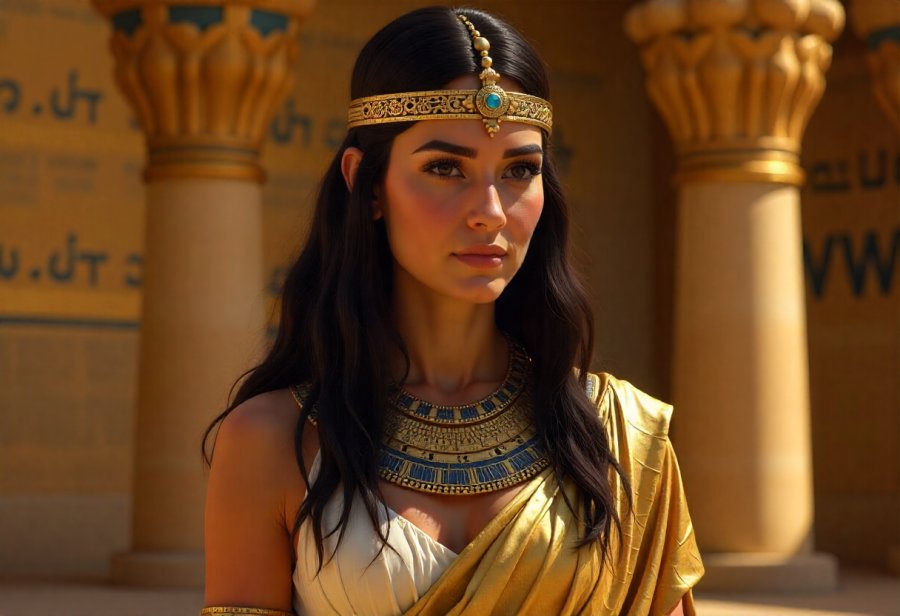
Unveiling Cleopatra: The Woman Behind the Myth of Glamour and Power
Cleopatra VII’s story is often shaped by Hollywood’s glamorous portrayals—images of seduction, mystery, and romantic intrigue that have long overshadowed her true nature. Beneath the surface, she was far more than a captivating figure; she was a highly intelligent and strategic ruler whose legacy extends into the realms of diplomacy, culture, and leadership. Her reign was marked by sharp political instincts and a deep understanding of the complex world around her, qualities that made her a formidable force in a turbulent era.
Far from the romantic myths, Cleopatra’s strength lay in her mind. She was a well-educated woman, fluent in multiple languages including Egyptian, Greek, and Latin. This linguistic skill was more than a personal achievement—it was a vital diplomatic tool that allowed her to communicate directly with her allies and rivals, forging bonds based on trust and understanding. Her ability to speak the language of her counterparts gave her a unique advantage in negotiations, making her influence more personal and effective.
Her leadership was rooted in resilience and adaptability. Egypt during her reign was caught between the decline of Hellenistic kingdoms and the rising power of Rome. Cleopatra faced external threats and internal unrest with a clear-eyed strategic approach. She navigated these dangers by forming calculated alliances—most notably with Julius Caesar and Mark Antony—using diplomacy and political acumen rather than relying solely on military might. Her decisions were driven by a desire to protect Egypt’s independence and secure its future amid shifting regional dynamics.
Cultural patronage was another key aspect of her leadership. Cleopatra supported Alexandria’s legendary library and scholarly community, recognizing that knowledge and culture could serve as sources of power. Her engagement with scholars and her interest in science, arts, and philosophy helped elevate Egypt’s reputation as a center of learning. This focus on intellectual pursuits was a deliberate strategy to reinforce her authority and forge a legacy rooted in wisdom and innovation.
Understanding Cleopatra as a learned, strategic leader shifts her image from that of a romantic figure to a symbol of resilience and intelligence. Her legacy demonstrates that true influence comes from more than personal charm—it depends on a sharp mind, cultural sophistication, and the ability to adapt to changing circumstances. Her story reminds us that genuine leadership is rooted in knowledge, diplomacy, and strategic vision, qualities that continue to inspire long after her time.
Roots of Power: Egypt’s Political Landscape and the Ptolemaic Legacy
Cleopatra VII was born into the Ptolemaic dynasty, a Greek family that took control of Egypt following Alexander the Great’s empire fragmentation. Founded by Ptolemy I Soter, a general under Alexander, this lineage combined Macedonian Greek roots with Egypt’s ancient traditions. Cleopatra’s upbringing reflected this dual identity, blending Greek customs with Egyptian culture to legitimize her authority. Her family’s rule relied heavily on strategic marriages, court intrigue, and cultural patronage to maintain power across generations.
During her reign, Egypt was a land of shifting alliances and external threats. The decline of Hellenistic kingdoms and the rapid expansion of Rome created a tense and unstable environment. The Romans’ growing influence was encroaching on Egyptian independence, forcing Cleopatra to master delicate diplomacy. Her ancestors faced similar challenges, but Cleopatra’s leadership was distinguished by her focus on strategic alliances and political savvy to preserve her kingdom’s sovereignty.
Her family emphasized divine right and cultural authority to legitimize their rule, traditions Cleopatra inherited and refined. She understood that her legitimacy depended not only on royal blood but also on her ability to adapt, read her environment, and wield influence through diplomacy and knowledge. This background prepared her to handle the complex regional politics that defined her era, navigating threats and rivalries with calculated moves.
The geopolitical landscape was fraught with danger. External powers and internal rivalries threatened her throne, prompting Cleopatra to engage in careful negotiations—often through marriage alliances with Julius Caesar and Mark Antony. These were not impulsive gestures but strategic calculations designed to strengthen her position and resist Roman dominance. Her diplomatic skill and ability to command her forces helped Egypt stay afloat amid mounting external pressures.
Culturally, Alexandria thrived as a hub of learning and scholarship. Cleopatra recognized the importance of cultural patronage as a strategic asset, supporting the city’s legendary library and attracting scholars from across the Mediterranean. Her multilingual skills and engagement with intellectuals allowed her to navigate regional and international politics with insight and confidence, reinforcing her reputation as a ruler who valued wisdom and innovation as tools of leadership.
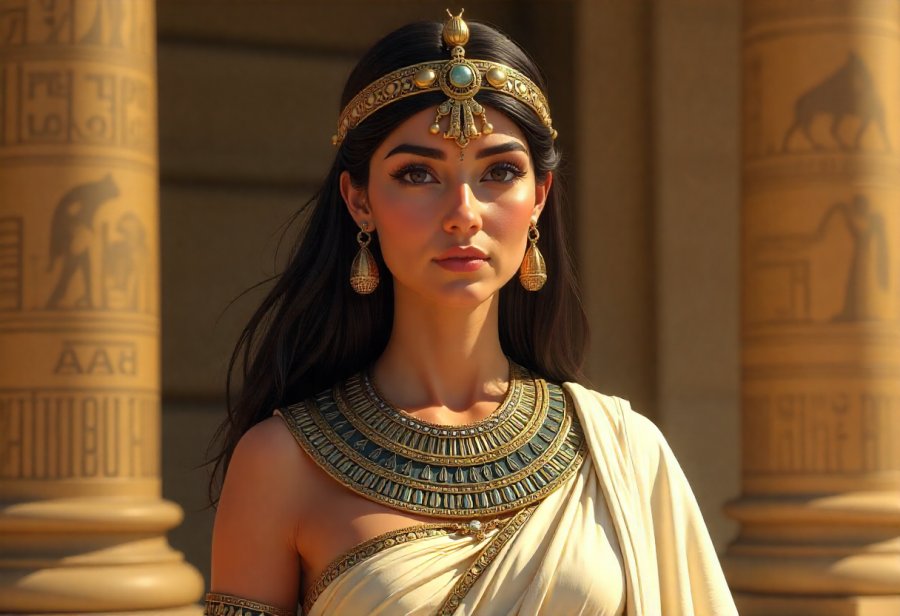
The Scholar Queen: Cleopatra’s Multilingual Mastery and Cultural Patronage
Cleopatra’s reputation as a leader was deeply rooted in her extraordinary intellectual abilities. Fluent in Egyptian, Greek, and Latin, she could communicate directly with a diverse range of allies, rivals, and scholars. This linguistic mastery was more than a personal achievement; it was a strategic asset that allowed her to negotiate with confidence and forge alliances built on trust and understanding. Speaking the language of her counterparts enabled her to navigate diplomatic waters with precision, often turning conversations into opportunities for influence.
Her interest in learning extended far beyond language skills. Cleopatra was a passionate supporter of arts, sciences, and philosophy, fostering Alexandria’s renowned library and scholarly community. This patronage was a deliberate move to elevate Egypt’s cultural standing and reinforce her authority. By backing scholars and scientific pursuits, she positioned herself as a ruler who valued wisdom as much as power, aligning her image with the pursuit of knowledge and innovation.
Engaging directly with intellectuals and participating in philosophical debates showcased her sharp mind and curiosity. She hosted discussions, supported research, and encouraged the exchange of ideas, using these interactions to refine her understanding of politics, science, and cultural trends. Her hands-on involvement fostered a vibrant intellectual climate in Alexandria, strengthening her reputation as a ruler who understood that true strength came from knowledge and cultural influence.
Cleopatra’s mastery of political and cultural knowledge proved essential in navigating her turbulent environment. She recognized that influence extended beyond military might and wealth—trust and loyalty often stemmed from shared ideas and shared learning. Her multilingualism and dedication to scholarship enabled her to outmaneuver rivals and cement strategic alliances, often turning potential threats into opportunities for her kingdom’s growth.
Her leadership style, rooted in cultural sophistication and strategic thinking, set her apart from many rulers of her time. She understood that enduring influence depended on more than royal blood; it relied on her capacity to leverage her knowledge and foster intellectual engagement. By supporting Alexandria’s scholarly scene, she not only secured Egypt’s cultural prestige but also reinforced her own legacy as a scholar-queen who believed that wisdom was the ultimate form of power.
In sum, Cleopatra’s intelligence and cultural engagement were central to her legacy. Her multilingual abilities, scholarly interests, and patronage of learning allowed her to craft a nuanced, resilient leadership. These qualities enabled her to adapt, outthink her enemies, and leave a lasting impact—reminding us that true influence springs from the power of the mind as much as the throne.
Enduring Impact: Lessons of Leadership, Resilience, and Cultural Influence
Cleopatra’s influence extends far beyond her lifetime, shaping how history perceives leadership, resilience, and the true roots of power. She demonstrated that effective rulers prioritize wisdom, cultural influence, and strategic thinking over brute strength or superficial charm. Her ability to turn external threats into opportunities, whether through alliances or diplomacy, set a high standard for resilience and adaptability that resonates even today.
Her partnerships with Julius Caesar and Mark Antony weren’t mere romances; they were calculated political strategies designed to preserve Egypt’s independence amid Rome’s expanding dominance. These alliances underscore her mastery of power dynamics and her understanding that influence often hinges on relationships rooted in mutual understanding and cultural intelligence. Cleopatra showed that lasting impact depends on forging trust and leveraging knowledge—lessons that continue to inspire leaders across generations.
In popular culture, Cleopatra’s image has often been reduced to that of a seductress, her intelligence overshadowed by her beauty and romantic liaisons. Films and novels tend to simplify her story, neglecting her role as a scholar, diplomat, and cultural patron. Recognizing her as a master strategist and intellectual shifts the narrative from superficial glamour to a more nuanced appreciation of her true legacy—one rooted in resilience, innovation, and wisdom.
Her multilingual abilities played a vital role in her diplomatic success. Speaking Egyptian, Greek, and Latin allowed her to communicate directly with a diverse array of allies and rivals, fostering trust and facilitating negotiations that strengthened her position. This linguistic skill was more than a personal achievement; it was a core part of her diplomatic toolkit, enabling her to influence without relying solely on intermediaries.
Culturally, Cleopatra understood the power of knowledge and the importance of Alexandria’s legendary library and scholarly community. Her patronage was strategic—supporting arts, sciences, and philosophy not only elevated Egypt’s reputation but also reinforced her authority. By aligning herself with intellectual pursuits, she cultivated an image as a ruler who valued wisdom as much as power, ensuring her influence endured long after her reign.
Her leadership was rooted in resilience and adaptability. Facing a turbulent landscape of regional rivalries and external pressures, she remained steadfast, often transforming threats into opportunities. Her ability to read her environment, negotiate skillfully, and adjust her tactics exemplifies the qualities of a truly effective leader—traits that remain relevant in today’s complex political arenas.
Ultimately, Cleopatra’s story challenges stereotypes about women in power. Her success in navigating a male-dominated political world with intelligence and finesse proves that true influence is built on knowledge, resilience, and strategic vision, regardless of gender. Her legacy as a scholar-queen reminds us that the most enduring power stems from the mind, and her example continues to inspire those who value wisdom as the greatest form of leadership.
Myth vs. Reality: Debunking the Romanticized Image of Cleopatra and Honoring Her True Legacy
Hollywood’s portrayal of Cleopatra has long shaped her image as a seductive, glamorous figure, emphasizing her beauty and romantic liaisons over her true qualities. Films like the 1963 *Cleopatra* often reduce her to a symbol of sensuality, overshadowing her sharp intellect and political skill. This simplified narrative masks her real legacy—one built on strategy, diplomacy, and cultural sophistication.
In reality, Cleopatra was a highly educated scholar-queen fluent in Egyptian, Greek, and Latin. Her mastery of languages wasn’t just a personal achievement; it was a vital diplomatic tool. Speaking directly to her allies and rivals in their own languages allowed her to negotiate with confidence and forge trust-based alliances, making her influence more personal and effective. Her intelligence extended far beyond appearances, shaping her reputation as a leader of remarkable depth.
Her alliances with Julius Caesar and Mark Antony weren’t impulsive romantic gestures; they were strategic moves designed to preserve Egypt’s independence amid Roman expansion. Cleopatra’s diplomatic finesse and political acumen made her a formidable leader, capable of turning threats into opportunities. Her decisions reflected a clear understanding that influence relies on intelligence, timing, and cultural engagement—not just charm or beauty.
Her role as a patron of Alexandria’s legendary library and scholarly community often gets lost in the romanticized stories. Cleopatra saw knowledge as a source of power, supporting arts and sciences to elevate Egypt’s cultural standing and reinforce her legitimacy. Her involvement with scholars and intellectual pursuits wasn’t mere personal interest—it was a deliberate strategy to project strength and build a legacy rooted in wisdom.
Recognizing Cleopatra as a thinker and strategist shifts her story from superficial glamour to one of resilience and intelligence. Her ability to navigate complex political landscapes through diplomacy, cultural influence, and strategic thinking proves she was much more than a seductress. Her true legacy lies in her mind—an asset that allowed her to shape history and inspire generations to value wisdom and resilience over superficial charm.
About the Author




