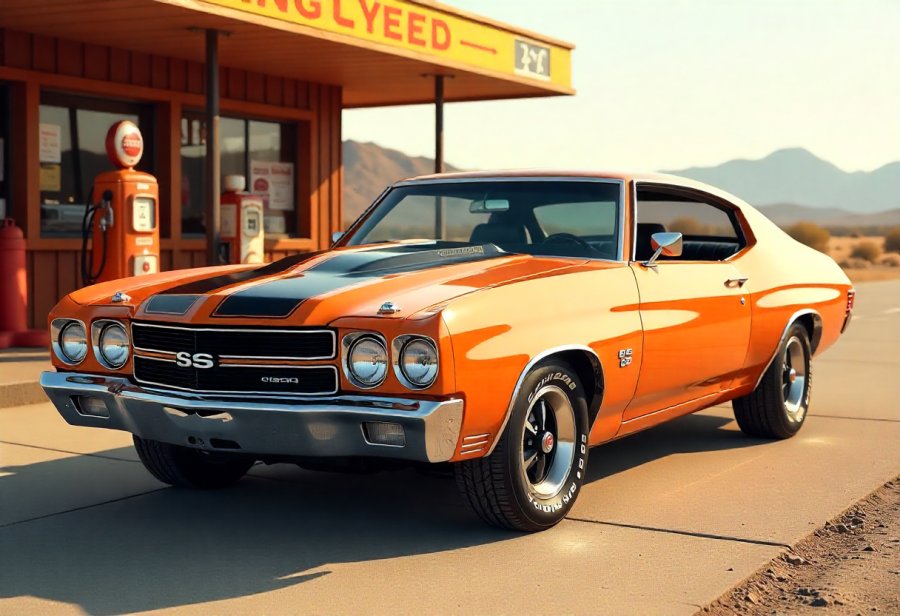
The 1970s Chevrolet SS stands as a bold emblem of America’s muscle car golden age, embodying raw power, daring style, and rebellious spirit. Its thunderous V8 engines, aggressive lines, and iconic badges made it more than just a vehicle—they became symbols of freedom and individuality. Yet, this era was marked by tension: increasing environmental concerns and safety regulations tempered their ferocity, softening their silhouettes and detuning their engines. Despite these changes, the legacy of the muscle car persists, deeply woven into American culture through movies, music, and enthusiast communities dedicated to restoring and celebrating these icons. Their roaring engines and swaggering presence continue to inspire new generations, reminding us that the spirit of innovation and rebellion remains enduring. Could these cars ever fully fade into history, or do they forever define a time when speed and attitude redefined American automotive identity?
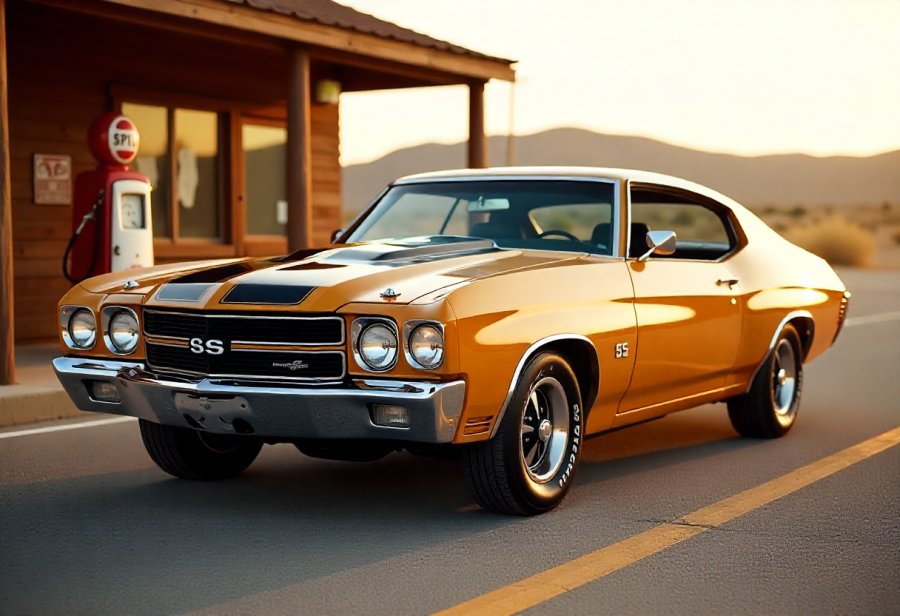
Unleashing the Power and Style of the 1970s Chevrolet SS
The 1970s Chevrolet SS stands as a defining symbol of America’s muscle car heyday, capturing a moment when raw power and bold styling took center stage. During this era, muscle cars weren’t just modes of transportation—they embodied attitude, rebellion, and American ingenuity. The Chevelle SS 454, in particular, set the standard for performance, with its aggressive looks and thunderous engine that made it impossible to ignore on the street or the racetrack.
These cars represented more than just speed; they were cultural icons that reflected the spirit of their time. The deep growl of their big-block V8s became a soundtrack of freedom and daring, resonating with enthusiasts and casual drivers alike. Their commanding presence was communicated through wide stances, aggressive grilles, and cowl-induction hoods—visual cues that signaled strength before the engine even roared to life. Every detail, from racing stripes to chrome accents, was designed to showcase their performance pedigree and rebellious attitude.
Beyond their striking appearance, the Chevrolet SS also became a symbol of American innovation and style. It embodied a culture that pushed boundaries, celebrated speed, and valued individuality. Owners and fans saw these cars as more than machines—they were extensions of their personalities, expressions of daring and independence. The bold lines and performance badges served as visual declarations of power and attitude, making each vehicle a moving statement piece.
Today, the legacy of these muscle cars endures, inspiring restorations, car shows, and a new generation eager to relive that golden age. Their distinctive styling cues—racing stripes, aggressive curves, and performance badges—continue to influence modern muscle car design. The legendary sound of their engines remains a nostalgic call to action, evoking feelings of excitement and rebellion. These cars aren’t just relics; they’re symbols of a daring, innovative era that still resonates today.
Owning or simply admiring a 1970s Chevrolet SS connects us to a time when speed and style were limitless. Their presence on the road and in the collective imagination underscores the timeless appeal of American muscle—an attitude that refuses to fade. The Chevelle SS 454 and its peers represent more than performance; they embody a cultural movement rooted in daring, craftsmanship, and the pursuit of freedom. Their roar and swagger continue to inspire, reminding us that some legends are forever etched in history.
The Heartbeat of Nostalgia: Roar, Swagger, and American Attitude
The heart of muscle car nostalgia beats strongest in its unmistakable roar and swagger. When a big-block V8 fires up, producing that deep, throaty growl, it’s more than just engine noise—it’s an visceral declaration of raw power and rebellious spirit. That sound became a cultural anthem, echoing through streets and raceways, embodying a daring attitude that’s impossible to ignore. It’s a symphony of strength and attitude that instantly commands attention and stirs emotions in anyone who hears it.
Beyond the noise, muscle cars radiate confidence through their stance and styling. Wide fenders, aggressive lines, and a low, muscular profile give them a commanding presence that’s impossible to overlook. This swagger isn’t just in their looks but also in how they carry themselves—bold, unapologetic, and defiant. Every curve, badge, and stripe is a visual declaration of power, making these cars more than transportation; they’re expressions of personality and rebellion.
The visual details—racing stripes, chrome accents, and bold badges—serve as signs of their performance pedigree. These elements aren’t just decorative; they amplify the car’s identity, signaling strength and daring. The vintage styling, paired with the engine’s roar, creates an aura of nostalgia that’s deeply compelling. It’s a look and sound that transport enthusiasts back to a time when speed was king and pushing limits was part of the culture.
Emotionally, muscle cars evoke a sense of freedom and adventure. The act of hearing that engine growl, feeling the surge of acceleration, and experiencing the swaggering stance all tap into a longing for excitement and individuality. These cars became symbols of rebellion, embodying a spirit of daring that defined an era. For many, it’s about more than just driving; it’s about feeling alive in the presence of something powerful and unapologetically bold.
The enduring appeal of muscle cars lies in their ability to connect us to that golden age of American horsepower—an era when speed and attitude went hand in hand with personal expression. Their roar and swagger continue to resonate, reminding us that some icons never fade. They stand as symbols of daring, craftsmanship, and the relentless pursuit of freedom, inspiring new generations to chase the thrill of the open road with the same fearless spirit.
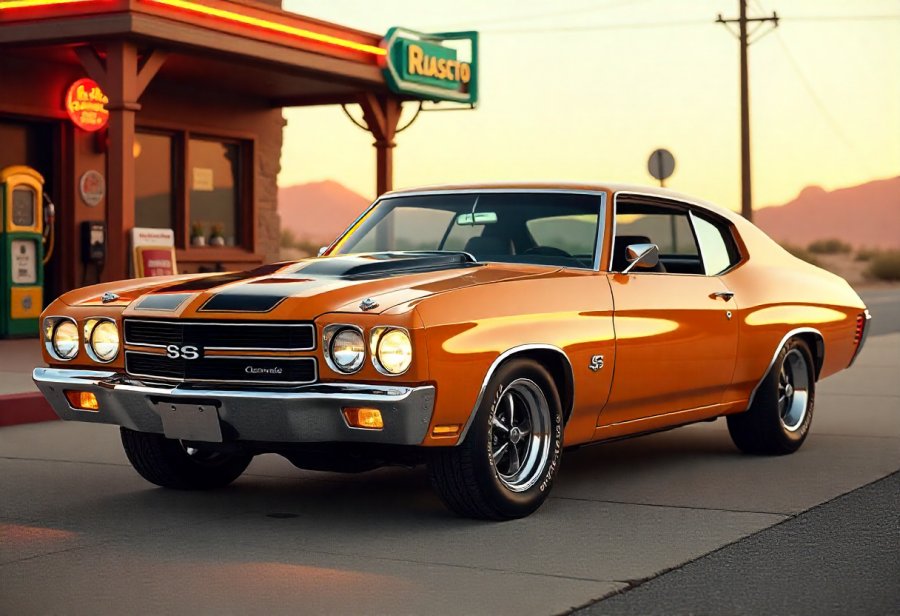
Challenges and Conflicts that Shaped the Muscle Car Era
During the 1970s, muscle cars like the Chevrolet SS faced mounting hurdles that reshaped their legacy and the broader automotive scene. One of the most significant challenges was the rising concern over environmental impact. As awareness of air pollution and fuel consumption grew, stricter emissions regulations and fuel economy standards forced automakers to dial down the raw power that once defined these machines. Engines that thundered with unrestrained fury were often detuned or even swapped out for milder versions, stripping away some of their ferocity. To enthusiasts, this felt like a loss of the very spirit that made muscle cars so exhilarating—power, rebellion, and the thrill of speed.
Safety concerns also gained prominence during this turbulent era. Critics argued that the aggressive styling and quick acceleration of muscle cars contributed to reckless driving and accidents. Their bold looks and rapid responses made them tempting for street racing, often leading to dangerous situations on urban streets. In response, safety standards such as crash bumpers and crashworthiness requirements were introduced, adding weight and altering the sleek, muscular profiles that once made these cars so striking. While these measures aimed to protect drivers and pedestrians, they also softened the visual impact, dulling the fierce presence that had once made muscle cars icons.
Public reaction to these changes was mixed. Many fans mourned the decline of unrestrained power, viewing regulations as a threat to the rebellious spirit that defined muscle cars. Conversely, safety advocates and environmentalists welcomed the stricter standards, seeing them as responsible steps toward a cleaner, safer future. This divide created a cultural tension: enthusiasts clung to the past, cherishing raw performance, while regulators pushed for a more sustainable and secure automotive landscape. The clash reflected broader societal shifts—balancing freedom with responsibility.
By the late 1970s, the era’s once ferocious muscle cars had become more subdued. Emissions standards often meant detuned engines with reduced horsepower, and crash safety requirements added weight that hampered speed and agility. The bold, aggressive designs softened, with less pronounced lines and less intimidating profiles. This transformation was not just technical but cultural, signaling a move away from the unbridled performance that had once defined American muscle. The muscle car’s golden age was giving way to a more cautious, regulated future.
These conflicts highlight a fundamental dilemma in automotive history: how to balance performance with safety and environmental responsibility. The roaring engines and daring aesthetics of the early 1970s are now nostalgic icons, yet they serve as a reminder of the consequences when boundaries are pushed too far without regard for broader impacts. The struggles of this era didn’t just slow muscle car dominance; they fundamentally reshaped how manufacturers approached design and engineering. Today’s performance cars owe much to these lessons, blending power with prudence.
Ultimately, the muscle car era’s challenges reveal a broader story about progress and compromise. While the raw power and swagger of the Chevelle SS and its peers may have diminished, their legacy persisted. They serve as symbols of an era that celebrated daring and innovation, even as societal values evolved. The conflicts of that time remind us that pushing limits requires responsibility—something that continues to influence the industry today, ensuring that the spirit of American muscle remains alive, tempered but undiminished.
From Driveways to Screen: The Cultural Footprint of Muscle Cars
The influence of muscle cars like the 1970s Chevrolet SS extends far beyond the driveway, weaving deeply into the fabric of American culture and media. These vehicles weren’t just transportation; they became symbols of freedom, rebellion, and individuality. Their powerful presence and aggressive styling made them natural stars in movies, TV shows, and music videos, often portrayed as the ultimate expressions of attitude and daring. Hollywood’s frequent use of muscle cars helped cement their legendary status, turning them into icons that embody the rebellious spirit of America’s golden age of horsepower.
Enthusiast communities and car clubs sprouted worldwide, united by a shared passion for restoring and showcasing these vintage machines. Car meets, racing events, and restoration projects became more than hobbies—they became a way to keep the muscle car legacy alive across generations. These gatherings foster camaraderie, storytelling, and pride, creating a continuous thread connecting past and present. Today, classic Chevelles and Camaros often steal the spotlight at car shows and auctions, drawing crowds eager to experience that golden age of speed and style firsthand.
Design elements from these cars—bold lines, racing stripes, and badges—still influence modern automotive aesthetics. Many contemporary performance models borrow visual cues from these vintage icons, blending nostalgia with cutting-edge technology. The deep, growling exhaust notes of a big-block V8 remain a nostalgic soundtrack that triggers feelings of excitement and independence. That sound, along with their commanding stance, acts as a universal language of power and attitude, resonating with both old-school fans and new enthusiasts.
Muscle cars also shaped perceptions of the open road as a space of adventure and personal expression. They became symbols of daring escapades, weekend cruises, and youthful rebellion. Owning or simply admiring a muscle car was— and still is—a statement of individuality, a way to stand out and make your mark. The bold presence of these vehicles turned them into more than machines; they became extensions of their owners’ personalities and aspirations.
Their cultural impact stretches into music, movies, and stories of defiance. From Hollywood blockbusters to legendary rock songs, the image of the muscle car is synonymous with risk-taking and independence. Restorers and collectors invest time and passion into bringing these classics back to life, transforming driveways into small museums filled with stories of craftsmanship and pride. Each polished chrome detail and fresh coat of paint echoes a desire to preserve a piece of American history, fueling the ongoing legend.
Today’s enthusiasts continue to draw inspiration from these icons, blending the raw energy of the past with modern innovation. The roar of a vintage engine and the swaggering stance of a muscle car remain powerful symbols that transcend eras. Their influence persists not just in design and performance but also in the cultural narrative that celebrates daring, craftsmanship, and the pursuit of freedom.
In essence, the muscle car’s cultural impact is timeless. It represents more than speed and style—it embodies a spirit of rebellion and resilience that continues to inspire. These cars remind us of a brave, bold chapter in automotive history, encouraging new generations to chase their own speed, style, and adventure. The legacy of the 1970s Chevrolet SS endures because it captures something universal: the desire to stand out, push boundaries, and leave a lasting impression.
Timeless Legacy: The Enduring Spirit of the 1970s Chevrolet SS
The 1970s Chevrolet SS embodies more than just raw power and striking design; it captures the very spirit of the muscle car era—bold, rebellious, and undeniably American. These vehicles weren’t merely modes of transportation; they were symbols of freedom, daring, and individualism. Their thunderous engines and aggressive aesthetics continue to inspire enthusiasts and collectors alike, standing as icons of a time when pushing limits was celebrated and style was a statement of personality.
What makes the Chevrolet SS truly enduring is its ability to evoke nostalgia while remaining relevant today. Its muscular silhouette, complemented by performance badges and bold lines, instantly transports us to a golden age of American automotive innovation. These cars serve as a reminder of an era when speed and attitude went hand in hand with personal expression. The legacy of the Chevelle SS 454 and its peers is built on this daring spirit—power paired with style that refuses to fade into obscurity.
Beyond their technical prowess, these cars have woven themselves into the fabric of American culture. They feature prominently in movies, music, and stories of youthful rebellion, cementing their place as symbols of independence and risk-taking. Restoring and owning a vintage muscle car is more than a hobby; it’s a way to connect with a vibrant past, celebrating craftsmanship, ingenuity, and the pursuit of freedom. Each polished chrome detail or fresh coat of paint tells a story of pride and legacy, helping to keep the muscle car legend alive.
Despite the regulatory and societal changes that tempered their raw power, the spirit of the muscle car persists. Modern performance cars draw inspiration from these icons, blending nostalgic design cues with cutting-edge technology. The roar of a vintage engine and the swaggering stance of a muscle car continue to resonate as powerful symbols of rebellion and craftsmanship. Their influence endures because they embody a universal desire to stand out, push boundaries, and make a lasting impression.
In the end, the story of the 1970s Chevrolet SS isn’t just about horsepower or style; it’s about a cultural movement rooted in daring and innovation. These cars remind us that true legacy is built on resilience and the willingness to challenge conventions. They continue to inspire new generations to chase their own adventures, blending the raw energy of the past with the promise of the future.
The enduring appeal of these muscle cars reflects a timeless truth: the desire to break free, to express individuality, and to leave a mark. The Chevrolet SS of the ’70s isn’t just a classic—it’s a symbol of resilience, innovation, and the rebellious spirit that defines American muscle. Its roar and swagger remain powerful reminders of a bold chapter in automotive history, inspiring enthusiasts and dreamers alike to push boundaries and embrace the thrill of the open road.
About the Author





