
Transforming Toronto yards into stunning outdoor retreats isn’t just about aesthetics—it’s a delicate balance between beauty, sustainability, and client satisfaction. As urban living demands more functional, eco-friendly spaces, homeowners are increasingly seeking landscapes that foster connection with nature while supporting environmental health. This evolution incorporates native plants, water conservation techniques, and eco-conscious materials, all tailored to Toronto’s climate. Yet, how can designers make these sustainable visions accessible and affordable for everyone? From native pollinator gardens to permeable pavements, real-world projects demonstrate that thoughtful, eco-friendly design enhances both beauty and resilience. As technology and regenerative practices advance, the future promises landscapes that are vibrant, adaptable, and eco-centric—if the challenge of balancing cost and ecological responsibility can be met. Will Toronto’s outdoor spaces become more than visual delights, transforming into vital ecosystems that enrich urban life and support a greener city? This compelling question drives the city’s journey toward more sustainable, personalized outdoor retreats.
Transform Your Outdoor Space with Expert Backyard Makeover Services in Toronto
Looking to elevate your outdoor living area in Toronto? Toronto Landscape & Design (TLD) offers comprehensive solutions including natural stone installations, water gardens, irrigation systems, and retaining walls. Our award-winning designers take everything into consideration to create a stunning and functional backyard that complements your lifestyle. Whether you’re dreaming of a tranquil water feature or a durable retaining wall, our team is committed to delivering exceptional results tailored to your unique space. For a seamless **backyard makeover**, contact us today at [email protected] or call 1.416.644.0499. Let TLD bring your outdoor vision to life with expert craftsmanship and innovative design.
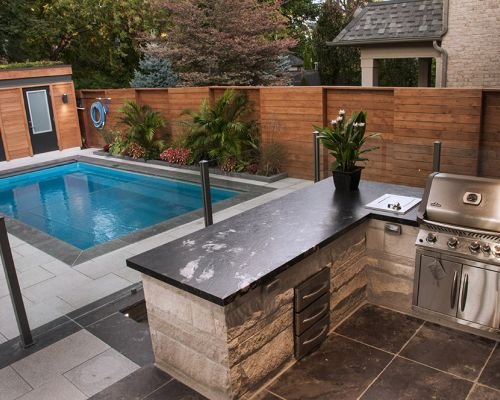
Transforming Toronto Yards into Vibrant Outdoor Retreats
Transforming Toronto yards into inviting outdoor retreats goes beyond simply making a space look good; it’s about creating environments that improve daily life and foster a connection with nature. As city living becomes more compact and busy schedules dominate, homeowners are searching for outdoor areas that are both beautiful and practical. This shift reflects a desire to craft spaces where people can relax, entertain, or find a peaceful escape without leaving home.
Designing these outdoor retreats involves blending aesthetic appeal with environmental responsibility. It’s not enough for a yard to look stunning—sustainability must be woven into the plan. Incorporating native plants, conserving water, and selecting eco-friendly materials are essential strategies. These choices help the landscape thrive naturally, reduce upkeep, and minimize ecological impact, making every yard part of Toronto’s effort toward a greener city.
Every property tells its own story through its size, shape, and the owner’s preferences. Some homeowners dream of lush, flower-filled gardens, while others prefer sleek, modern designs that demand less maintenance. Achieving harmony between personal taste and sustainable practices ensures each outdoor space feels authentic and inviting. The goal is to seamlessly integrate beauty, comfort, and ecological mindfulness in a way that feels natural and tailored.
Toronto’s climate—marked by cold winters and warm summers—adds another layer of complexity. Native plants that adapt to seasonal shifts reduce the need for extra watering and chemical treatments, making landscapes more resilient and easier to care for year-round. Features like rain gardens and permeable paving help manage stormwater efficiently, ensuring the yard remains vibrant and functional, no matter the season.
Transforming yards into outdoor retreats also contributes to the city’s broader environmental goals. Well-designed landscapes support local ecosystems, improve air quality, and enhance urban resilience. By focusing on both beauty and sustainability, homeowners can turn their yards into spaces that not only elevate their daily experience but also help shape a healthier, greener Toronto.
This approach requires understanding each property’s unique qualities and the community’s evolving needs. It’s about creating outdoor spaces that are visually appealing, environmentally sound, and adaptable over time. The process involves careful planning, thoughtful design, and ongoing maintenance—an investment that pays off in long-term beauty and ecological health.
As we look ahead, the future of Toronto landscaping is rooted in innovation and eco-consciousness. Integrating smart technology and regenerative practices will make outdoor spaces more sustainable and easier to manage. The challenge lies in making these solutions accessible and affordable for all homeowners, ensuring that sustainable outdoor retreats become the standard rather than the exception.
Ultimately, transforming yards into stunning retreats is about more than aesthetics—it’s about fostering a lifestyle that values beauty, functionality, and environmental responsibility. When design and sustainability go hand in hand, Toronto’s outdoor spaces can become vibrant, resilient refuges that enrich lives and support the city’s ongoing commitment to a healthier environment.
Building Foundations: Principles of Sustainable Landscape Design
Sustainable landscape design focuses on creating outdoor spaces that are both visually appealing and environmentally responsible. It begins with selecting native plants that naturally thrive in Toronto’s climate, reducing the need for excessive watering, fertilizers, and pesticides. These plants support local biodiversity, providing habitat for native insects and wildlife, which in turn helps sustain the urban ecosystem. By prioritizing native species, designers can craft landscapes that are resilient, easier to maintain, and better suited to the region’s seasonal shifts.
Water conservation is a core principle of eco-friendly landscaping. Installing features like rain barrels, rain gardens, and drip irrigation systems ensures that water is used efficiently, minimizing waste and preventing runoff that can pollute waterways. Organic soil amendments and natural fertilizers further improve soil health, reducing chemical reliance and promoting plant vitality. These practices not only conserve resources but also create a healthier environment for both plants and people.
Design balance is essential in sustainable landscaping. Thoughtful zoning helps define functional areas for relaxing, dining, or play, making the yard more practical and inviting. Incorporating natural materials such as reclaimed wood, stone, and organic mulches enhances visual interest while supporting eco-conscious choices. Proper placement of plants and features fosters a sense of flow, ensuring the landscape feels cohesive and harmonious rather than cluttered or artificial.
Eco-friendly materials extend beyond plant choices. Permeable paving allows stormwater to seep into the ground, reducing runoff and heat absorption. Using recycled and biodegradable products further lowers the environmental footprint of the project. When combined with native plantings and water-saving features, these materials help create a landscape that is not only beautiful but also durable and adaptable to Toronto’s climate.
Sustainable landscape design is an ongoing process that requires regular care and flexibility. Routine pruning, mulching, and soil checks keep the landscape healthy and vibrant over time. Selecting plants suited to Toronto’s weather minimizes maintenance needs, while continued attention ensures the space remains resilient and eco-friendly. This integrated approach turns outdoor areas into lasting retreats that serve both aesthetic and ecological purposes, supporting a greener, healthier city.

Toronto’s Landscape Trends: Innovation, Diversity, and Regional Influences
In Toronto, landscape design is evolving at a rapid pace, blending traditional aesthetics with innovative, eco-friendly approaches. Many local professionals now prioritize native plantings and water-efficient technologies, reflecting a broader shift toward sustainability. These practices not only help protect the environment but also result in landscapes that are easier to maintain and more resilient against Toronto’s unpredictable weather patterns. For example, incorporating native plants reduces water use and chemical inputs, making gardens more sustainable over time. This evolution is turning sustainability from a niche feature into a standard expectation among homeowners and designers alike.
Regional differences within the city influence landscape trends significantly. Toronto’s diverse communities bring a wide array of aesthetic preferences—from sleek, minimalist gardens to lush, cottage-style retreats. These styles often draw on cultural influences and personal tastes, shaping choices around plant selection, layout, and features. At the same time, Toronto’s climate demands hardy, adaptable plants that can withstand cold winters and hot summers. Features like snow-melt pathways and drought-tolerant plants are common, ensuring outdoor spaces stay attractive and functional year-round.
Minimalism and natural materials are dominating modern Toronto landscapes. Clean lines, simple layouts, and organic textures like stone and reclaimed wood create environments that feel both contemporary and harmonious with nature. These choices support eco-friendly principles while delivering visual appeal. Technology also plays a bigger role now, with smart irrigation systems, outdoor lighting with timers, and climate sensors making yard management more efficient. These tools help reduce waste and simplify maintenance, making sustainable landscaping accessible even to busy homeowners.
Debates within the local landscape community often revolve around balancing cost with ecological benefits. Native plants and water-saving features usually require a higher initial investment but promise long-term savings and environmental gains. Some professionals argue that prioritizing sustainable solutions is essential for future-proofing outdoor spaces. Others advocate for more affordable, scalable options to broaden access to eco-friendly practices. This ongoing discussion pushes designers to develop cost-effective, environmentally responsible solutions that don’t sacrifice style.
Cultural influences continue to shape trends across Toronto. From European-inspired formal gardens to laid-back, cottage-style retreats, each community brings its own aesthetic. These preferences influence plant choices, layout design, and feature selection, giving each landscape a personal touch. Adapting these styles to Toronto’s climate remains critical, with native plants and resilient features ensuring longevity despite seasonal challenges. This blend of cultural diversity and environmental necessity creates a dynamic landscape scene that is both vibrant and sustainable.
Looking ahead, technology and regenerative practices are set to further transform Toronto’s outdoor spaces. Climate-adaptive plantings, smart irrigation, and ecological restoration are gaining traction, turning yards into vibrant ecosystems. However, questions about affordability and accessibility remain. Developing scalable, cost-effective solutions is key to making sustainable landscaping a reality for more homeowners. As innovation continues, the focus will be on balancing environmental responsibility with practicality, ensuring Toronto’s outdoor spaces remain beautiful, functional, and resilient for years to come.
Real-World Success: Practical Applications and Inspiring Case Studies
Sustainable landscaping in Toronto is being put into practice through projects that demonstrate how eco-friendly principles can transform outdoor spaces into vibrant, functional retreats. Many homeowners are embracing native plants, rain gardens, and organic materials to craft landscapes that are both beautiful and low-maintenance. For example, a Toronto backyard was revamped with native grasses and a rain barrel system, significantly reducing water use while creating a calming, natural aesthetic. These real-world examples highlight that thoughtful design paired with sustainable practices can produce outdoor environments that thrive with minimal intervention.
Design tools like eco-assessment software are increasingly vital in guiding these projects. They analyze site conditions, suggest suitable native plant species, and recommend eco-friendly materials, helping designers and homeowners make informed choices. Visualization tools also allow clients to see how different elements will come together, ensuring their vision aligns with sustainability goals. Starting small—such as installing permeable pavers or native plant beds—helps build confidence and delivers immediate benefits, paving the way for more complex eco-friendly features later on.
Blending scientific insight with creative design is key to successful implementation. A notable project involved creating a native pollinator garden and pond, which attracted local bees and butterflies. The pond became a visual focal point, while the native plants thrived naturally, requiring little upkeep. Such examples show that eco-conscious features can elevate a yard’s beauty and ecological value simultaneously. When homeowners participate actively from the beginning, they develop a stronger understanding of the long-term benefits, leading to better maintenance and care.
Clear communication throughout the process also plays a crucial role. Regular updates, site visits, and collaborative planning ensure the project stays aligned with the homeowner’s vision while adhering to sustainability principles. For example, customizing a seating area near a rain garden based on client feedback made the space more inviting without compromising its eco-friendly focus. These ongoing interactions foster a sense of ownership and satisfaction, making the final result a true reflection of the client’s personality and values.
Ongoing maintenance and adaptability are vital for long-term success. Routine pruning, mulching, and soil health checks keep landscapes vibrant and resilient. Selecting native plants suited to Toronto’s climate minimizes watering and chemical needs, ensuring the landscape remains sustainable over time. These practical habits not only preserve beauty but also support local ecosystems continuously. Case studies consistently show that sustainable landscapes, when cared for properly, become enduring assets that benefit both the environment and the homeowner.
The benefits extend beyond individual yards, contributing to the city’s ecological health. Well-designed, eco-friendly landscapes support pollinators, improve air quality, and help manage stormwater, which is especially important in urban settings. These projects illustrate that sustainable landscaping isn’t just a personal improvement but a community-wide investment in Toronto’s resilience. By sharing successful strategies and lessons learned, homeowners and professionals can inspire broader adoption of environmentally responsible practices.
Ultimately, turning theory into practice requires a combination of innovative thinking, careful planning, and dedicated stewardship. Each project serves as a proof point that sustainable landscaping is achievable and rewarding. When design, environmental responsibility, and client satisfaction work together, outdoor spaces become more than just beautiful—they transform into vital, living parts of Toronto’s greener future. This ongoing movement promises landscapes that are resilient, inspiring, and deeply connected to the city’s ecological well-being.
Looking Ahead: Future Trends, Challenges, and Opportunities in Toronto Landscaping
Looking ahead, the landscape of Toronto’s outdoor spaces is poised for exciting growth, driven by innovations that blend sustainability with design. Recycled and biodegradable materials will become more commonplace, making it easier to craft environmentally friendly landscapes without sacrificing style. Smart technology—such as automated irrigation, climate-responsive plantings, and integrated lighting—will simplify maintenance and help homeowners conserve resources, ensuring their yards stay lush and vibrant year-round with less effort.
Regenerative landscaping is gaining momentum, transforming yards into active ecosystems that support local biodiversity. Incorporating diverse native plants, creating habitats, and improving soil health will turn outdoor spaces into mini refuges for pollinators and wildlife, enriching urban life. As cities like Toronto expand their greening initiatives, even neglected or underused areas can become lush, green retreats that boost air quality and urban resilience. These trends point toward landscapes that are not just beautiful but also functional contributors to ecological health.
However, affordability and accessibility remain significant challenges. High upfront costs for eco-friendly features can deter many homeowners. Developing scalable, cost-effective solutions—like DIY approaches, affordable native plant options, and community programs—will be key to broadening participation. Making sustainable landscaping more attainable ensures that eco-conscious practices aren’t limited to a select few but become a standard part of urban life, benefiting everyone.
Technology will continue to evolve, offering new ways to adapt landscapes to changing climates. Climate-adaptive plantings, soil health monitoring tools, and water management systems will help yards withstand Toronto’s unpredictable weather. These innovations will make outdoor spaces more resilient, reducing the need for chemical interventions and extensive upkeep. As designers and homeowners embrace these tools, landscapes will become more dynamic, capable of evolving with environmental shifts.
Education and collaboration will play crucial roles in shaping the future. Sharing knowledge about native plants, water conservation, and soil care encourages responsible practices. When homeowners understand the long-term benefits, they’re more likely to invest in sustainable solutions and maintain their landscapes thoughtfully. Community engagement and professional guidance will foster a culture where ecological responsibility and personal satisfaction go hand in hand.
The challenge will be balancing aesthetics, practicality, and ecological responsibility without making solutions prohibitively expensive. Innovation in affordable materials, scalable designs, and DIY-friendly options will be vital. Making sustainability accessible to a broader audience will help embed eco-friendly practices into everyday landscaping, turning them into the norm rather than the exception.
As Toronto’s outdoor spaces evolve, they will reflect a deeper connection between people and nature. Landscapes will become vibrant, resilient hubs that support biodiversity, improve urban health, and enhance quality of life. When design and environmental stewardship work together seamlessly, every yard can become a meaningful part of the city’s greener future.
This ongoing shift promises outdoor retreats that are not only stunning but also sustainable and inclusive. By embracing innovation, fostering education, and promoting affordability, Toronto’s landscapes will continue to thrive—proof that beauty and responsibility can coexist, shaping a healthier, more vibrant city for generations to come.
About the Author