
In a world where communication is the backbone of business success, can customizable telephony truly revolutionize your network’s efficiency? Grandstream’s innovative devices promise a transformative shift, offering scalable, easy-to-deploy solutions that adapt seamlessly to evolving organizational needs. Their IP phones and management platforms empower businesses to streamline operations, enhance customer interactions, and facilitate remote and hybrid work models—reducing downtime and operational costs. But what sets Grandstream apart is the ability to tailor features like call routing, auto-attendants, and security protocols, creating a smarter, more responsive communication environment. As organizations face increasing demands for flexibility and security, leveraging cloud-based management and robust hardware becomes not just advantageous but essential. Are you ready to harness a future where communication infrastructure is not only reliable but also strategically aligned with your growth ambitions? The key lies in embracing adaptable, scalable solutions designed to keep your business connected and competitive.
Elevate Your Business Communications with FiberConX’s Advanced VoIP Solutions in Canada
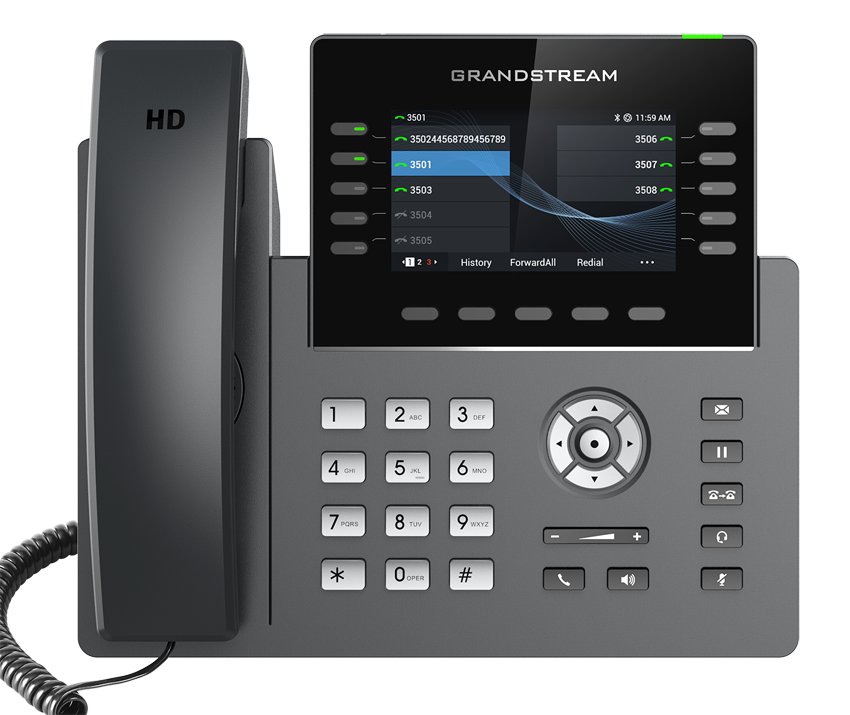
Experience seamless VoIP & IP business phone services with FiberConX Communications, a leading provider based in Canada. Our comprehensive offerings include voicemail, IVR, Ring Groups, and voicemail-to-mail features designed to enhance your communication efficiency. Whether you’re managing customer inquiries or internal calls, FiberConX ensures reliable connectivity and professional call handling. Discover the power of features like personalized IVR menus and flexible voicemail options that keep your business connected around the clock. For tailored solutions, contact our team at [email protected] or call 1.800.961.6856. Learn more about our services by visiting FiberConX and explore our dedicated GRP2614 solution for your business needs.
Elevate Your Business Communication with Customizable Telephony Solutions
In today’s business landscape, clear and efficient communication isn’t just a luxury—it’s essential for staying competitive. Standard phone systems often fall short of meeting the unique needs of growing organizations, especially when flexibility and quick adaptation are required. That’s where customizable telephony solutions come into play, offering a tailored approach that fits your specific workflows and organizational structure. By personalizing your communication systems, you can streamline operations, improve customer interactions, and empower your team with the right tools.
These solutions go beyond basic calling features. They enable you to design systems that evolve with your business, whether that means integrating with digital tools, setting complex call routing rules, or supporting remote and hybrid work setups. When your telephony setup reflects your organization’s unique needs, it becomes a strategic asset—boosting responsiveness, reducing wait times, and ensuring the right people are connected at the right moments.
Technology advancements, especially cloud-based management platforms, have made remote configuration and updates more straightforward than ever. These platforms allow IT teams to manage hundreds or thousands of devices from anywhere, reducing the need for on-site visits and minimizing downtime. This flexibility lets your communication infrastructure scale seamlessly as your business grows, whether you’re onboarding new staff or expanding to new locations.
Choosing the right hardware is equally important. Devices like Grandstream’s IP phones are designed for easy deployment and management, supporting features that facilitate customization and scalability. When combined with centralized management platforms, these devices can be configured en masse, monitored in real time, and adjusted effortlessly—making your communication environment more agile and responsive to changing demands.
Building a personalized telephony system isn’t just about technology; it’s about creating a smarter way to connect. With the right solutions, your business can enhance operational efficiency, elevate customer experience, and stay ahead of the competition. As we explore the core technologies behind these systems, it’s clear that the future of business communication is flexible, tailored, and ready to adapt to whatever comes next.
Uncover the Core Technologies Powering Modern Business Telephony
Modern business telephony is built on a foundation of key technologies that make communication more flexible, efficient, and scalable. At the core is Voice over Internet Protocol (VoIP), which transforms traditional voice signals into digital data traveling over the internet. This shift not only reduces costs but also enables seamless integration with other digital tools, supporting the agility many organizations need today.
Devices like IP phones and gateways act as the interface between users and the network. They support features such as call forwarding, auto-attendants, and conference calls, all managed through centralized platforms. This setup allows quick adjustments and updates, keeping systems adaptable as your business grows or changes. The ability to modify configurations remotely minimizes disruptions and accelerates deployment.
Cloud integration has further advanced telephony by offering remote management and real-time oversight. Cloud platforms enable businesses to configure new features, troubleshoot issues, and perform updates from anywhere—eliminating the need for on-site technical visits. This flexibility ensures your communication system evolves smoothly with your operational demands.
Many organizations now adopt hybrid approaches, combining traditional hardware with cloud solutions. This modular setup allows for integration with customer relationship management (CRM) systems and complex call routing, optimizing workflows without overhauling existing infrastructure. The result is a tailored environment that supports growth, security, and ease of use.
Performance and security are critical. Technologies like Quality of Service (QoS) prioritize voice traffic during busy periods, maintaining call clarity and preventing disruptions. Power over Ethernet (PoE) simplifies wiring by powering devices through Ethernet cables, reducing clutter and points of failure. Built-in security protocols protect conversations and prevent unauthorized access, which is vital as networks expand and interconnect.
All these elements come together to create a resilient, scalable, and user-friendly communication backbone. Understanding these foundational concepts helps organizations deploy and manage telephony systems that support remote work, facilitate growth, and adapt quickly to changing needs.

Revolutionize Connectivity with Grandstream’s Innovative Hardware
Grandstream’s hardware solutions are revolutionizing how businesses deploy and manage their communication networks. Their IP phones, particularly the GRP series, are designed for rapid installation and large-scale deployment. This means IT teams can set up hundreds or thousands of devices quickly, reducing downtime and minimizing operational disruptions. The streamlined setup process and centralized management platform, GDMS, give organizations full control to configure, monitor, and troubleshoot remotely—saving time and resources.
Traditional phone deployments often involved manual configuration at each device, a slow and error-prone process, especially at scale. Grandstream addresses this challenge with user-friendly, cloud-based management systems that enable plug-and-play deployment. Devices are built for easy setup, allowing teams to connect and activate their phones swiftly, ensuring consistent performance across all units while maintaining high security standards.
The design and feature set of Grandstream’s hardware further boost network efficiency. Supporting multiple lines, HD audio, and Power over Ethernet (PoE), these devices deliver high-quality communication with minimal wiring clutter. PoE simplifies installation by powering devices through Ethernet cables, which reduces points of failure and streamlines cable management. Meanwhile, built-in security protocols safeguard sensitive conversations, protecting your network from potential threats.
Cloud management plays a crucial role in this transformation. With remote configuration, real-time updates, and centralized oversight, organizations can adapt their communication infrastructure without on-site support. Whether rolling out new features, adjusting settings, or troubleshooting issues, the flexibility of cloud-managed devices keeps the system responsive to evolving business needs. This agility is vital in today’s fast-moving environment.
Grandstream’s devices are also engineered for performance under demanding conditions. Network optimization features like Quality of Service (QoS) ensure voice traffic is prioritized during peak periods, maintaining crystal-clear calls. Their hardware is durable and scalable, capable of supporting growing teams and expanding operations without sacrificing reliability or security.
What truly sets Grandstream apart is the ability to customize these devices to fit specific workflows. From speed dials to complex call routing, configuration can be tailored and updated centrally. This adaptability allows businesses to evolve their communication strategies seamlessly, aligning their telephony environment with changing operational demands.
In essence, Grandstream’s innovative hardware combines ease of deployment, robust security, and scalability into a comprehensive solution. They empower organizations to transition smoothly from traditional setups to modern, flexible networks that grow alongside their needs. By simplifying installation and ongoing management, these devices help businesses deliver better service, streamline operations, and build future-proof communication systems.
Explore the Versatile Range of Grandstream Devices for Every Business Need
Grandstream’s device portfolio offers a versatile range of products crafted to meet the diverse communication needs of modern businesses. From small offices to large enterprises, their IP phones are designed with high-definition audio, programmable keys, and support for multiple lines, ensuring clarity and flexibility for every user. These features make it easy for staff to manage calls efficiently and customize their experience according to their roles, whether they need quick access to key contacts or advanced call handling capabilities.
The flagship GRP series stands out for its rapid deployment and scalability. Built for large-scale rollout, these phones integrate seamlessly with cloud management platforms like GDMS, enabling IT teams to configure, monitor, and troubleshoot hundreds or thousands of devices remotely. This centralized control not only accelerates deployment but also simplifies ongoing maintenance, reducing operational costs and minimizing system downtime.
Beyond IP phones, Grandstream offers a comprehensive lineup of gateways and hardware components designed to support hybrid and expanding networks. These devices facilitate smooth integration with legacy systems and extend communication capabilities without requiring complete infrastructure overhauls. Whether upgrading existing setups or establishing new ones, Grandstream’s hardware ensures a seamless transition and long-term scalability.
Cloud-managed solutions form a core part of their offering, providing remote configuration, real-time updates, and centralized oversight. This approach allows organizations to efficiently manage their entire communication infrastructure from anywhere, enabling quick adjustments and feature rollouts. Such flexibility keeps systems adaptable to changing operational demands, enhancing overall network responsiveness.
Network performance and security are integral to Grandstream’s devices. Features like Quality of Service (QoS) prioritize voice traffic during busy periods, ensuring crystal-clear calls, while Power over Ethernet (PoE) reduces wiring clutter and points of failure. Built-in security protocols protect sensitive conversations and prevent unauthorized access, safeguarding your network as it expands.
What truly makes Grandstream’s portfolio compelling is its adaptability. Devices can be tailored with specific configurations—such as speed dials or complex call routing—to fit unique workflows. Centralized management allows for swift updates, ensuring your communication system evolves seamlessly alongside your business needs.
In summary, Grandstream’s product range combines ease of deployment, robust security, and scalability into a unified platform. Whether you are upgrading your existing infrastructure or building a new, customized telephony environment, their hardware provides reliable, flexible tools to support your growth and improve your network’s efficiency.
Master the Art of Deploying Tailored Telephony Solutions for Maximum Impact
Deploying customized telephony solutions begins with a clear understanding of your organization’s specific communication needs. Identifying how different departments or teams will utilize the system helps in selecting the right hardware and configuring appropriate features. For example, a sales team may require programmable keys and tailored call routing, while support staff might benefit from auto-attendants and queue management. Mapping out these requirements early ensures a smoother rollout and a more intuitive user experience.
Using centralized management platforms like GDMS streamlines deployment and ongoing maintenance. These tools enable IT teams to remotely configure, provision, and monitor hundreds or thousands of devices, minimizing manual setup errors and accelerating deployment timelines. Regular firmware updates and configuration adjustments can be performed quickly, keeping the system secure and current without the need for frequent on-site visits.
Proper staff training plays a crucial role in maximizing the benefits of your new telephony setup. Providing clear instructions and hands-on demonstrations ensures employees understand how to utilize features effectively. Ongoing support and refreshers help reduce resistance, promote adoption, and enable staff to leverage their devices fully—whether it’s quick access to key contacts or advanced call handling.
A phased deployment approach minimizes disruption, especially when rolling out across multiple locations. Starting with a pilot group allows you to gather feedback, identify potential issues, and refine your process before a full-scale launch. Clear communication during this phase keeps everyone informed and engaged, easing the transition and fostering acceptance of the new system.
Continuous monitoring and management are vital for maintaining system reliability. Tools like GDMS offer real-time oversight, alerting you to issues before they escalate. Regular audits of device performance, security checks, and usage analytics help identify opportunities for improvement and prevent potential failures, ensuring your communication infrastructure remains robust and responsive.
Flexibility is essential to adapt your telephony system as your business evolves. With centralized control and customizable device configurations, you can easily add new features, reconfigure workflows, or expand capacity without significant hardware changes. This adaptability supports long-term growth and ensures your communication environment remains aligned with your operational goals.
By following these best practices, organizations can deploy tailored telephony solutions that deliver measurable efficiencies. Proper planning, management, and training transform a simple system into a strategic asset—enhancing connectivity, boosting productivity, and supporting your business’s unique demands.
About the Author






